

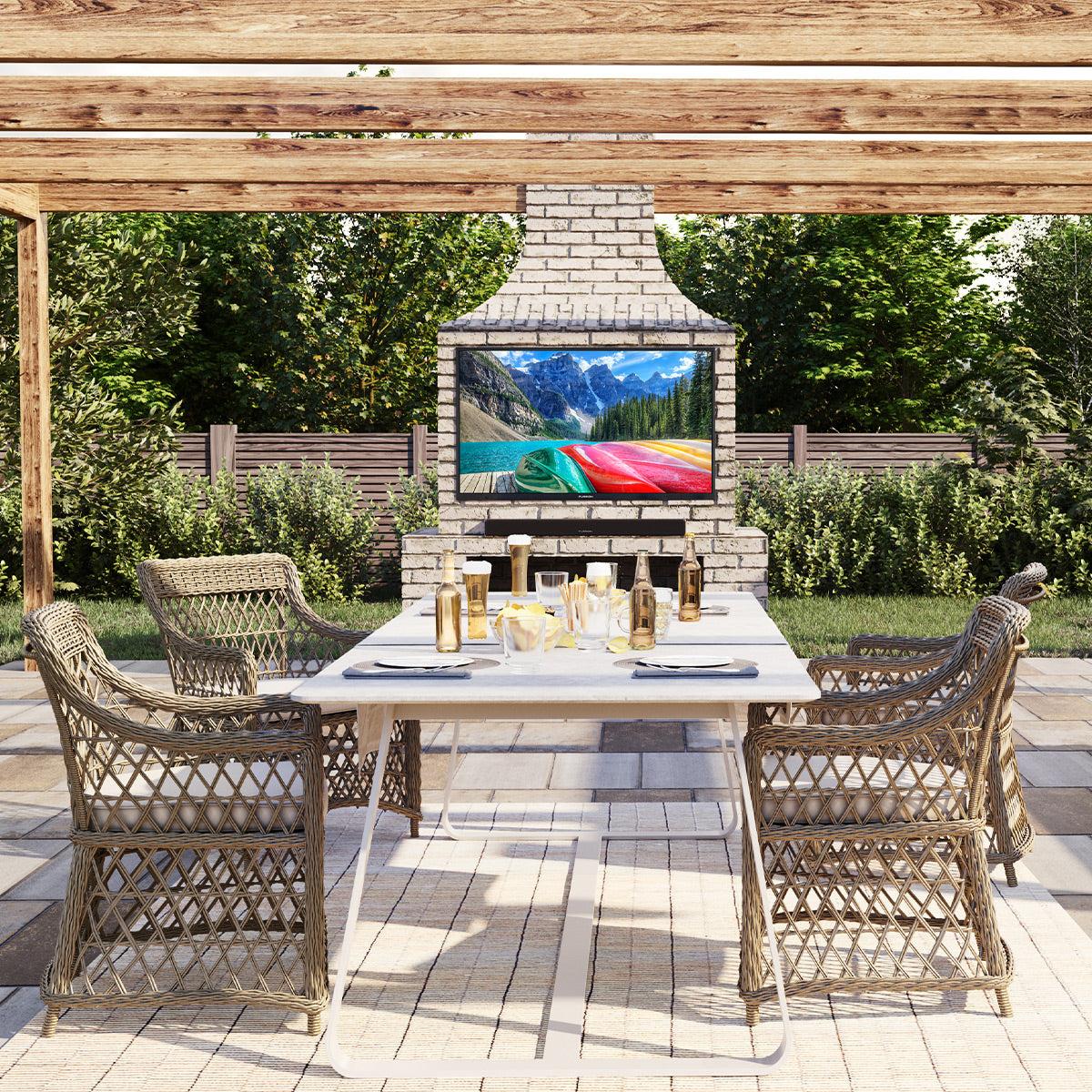
In recent years, the concept of the backyard as an extension of our living spaces has gained tremendous popularity. With this trend comes the desire to bring indoor comforts—including quality entertainment—to outdoor settings. That's where outdoor TVs enter the picture.
Unlike the standard television sitting in your living room, outdoor TVs are engineered from the ground up to tackle environmental challenges that would quickly destroy a conventional display. Think about it: sun glare, rain showers, temperature swings, humidity, dust, and even curious insects—all these elements conspire against electronics in outdoor settings.
When I first researched outdoor TVs for my covered patio installation, I was struck by how specialized these units truly are. The technology required to make a TV perform well under bright sunlight alone is impressive, requiring brightness levels 3-5 times higher than typical indoor models.
A standard indoor TV might offer 200-400 nits of brightness (a "nit" being a unit of luminance equal to one candela per square meter), but outdoor models start at around 700 nits for shaded areas and climb to 2000+ nits for full-sun conditions. This extreme brightness comes with complex thermal management systems to prevent overheating—something indoor TVs don't need to address with the same intensity.
Beyond brightness, weatherproofing represents another technological hurdle. Manufacturers employ IP (Ingress Protection) ratings to indicate how well-sealed their units are against environmental intrusion. The first digit in an IP rating indicates dust protection (0-6), while the second rates water resistance (0-9). For instance, IP65 means complete dust protection and resistance to water jets from any direction—critical for electronics exposed to the elements.
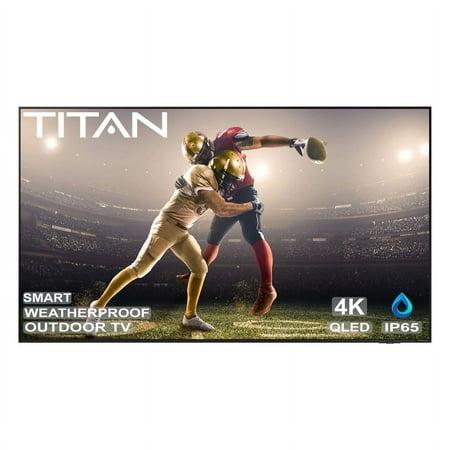
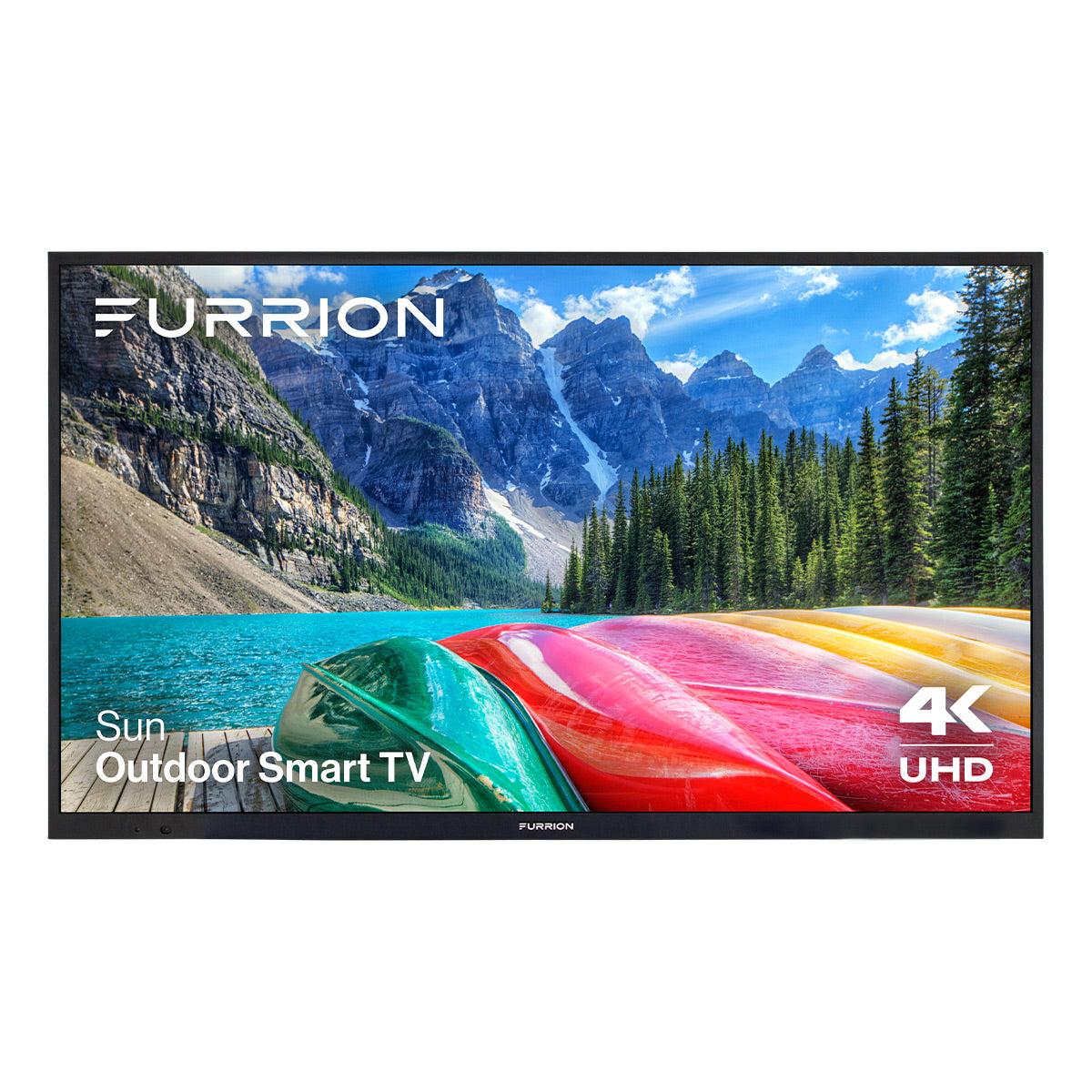
Let's explore how two leading options in this specialized category—the Titan Full Sun Outdoor 4K QLED S300 Smart TV 65" and the Furrion Aurora 65" Full Sun 4K UHD Outdoor TV—approach these challenges.
The outdoor TV market has undergone significant evolution since the early models appeared around 2010-2012. Those first-generation units often featured glorified weatherproof enclosures around conventional TVs, resulting in bulky designs with mediocre brightness and questionable longevity.
The Titan S300 QLED, released in late 2022, represents the current pinnacle of outdoor display technology. As a newer entrant to the market, Titan has positioned itself as a premium alternative to established brands like SunBrite, offering cutting-edge display technology at a premium price point of $6,649.99. What separates the S300 from previous generations is its implementation of QLED technology—short for Quantum dot Light Emitting Diode—which was previously rare in outdoor applications due to the thermal management challenges.
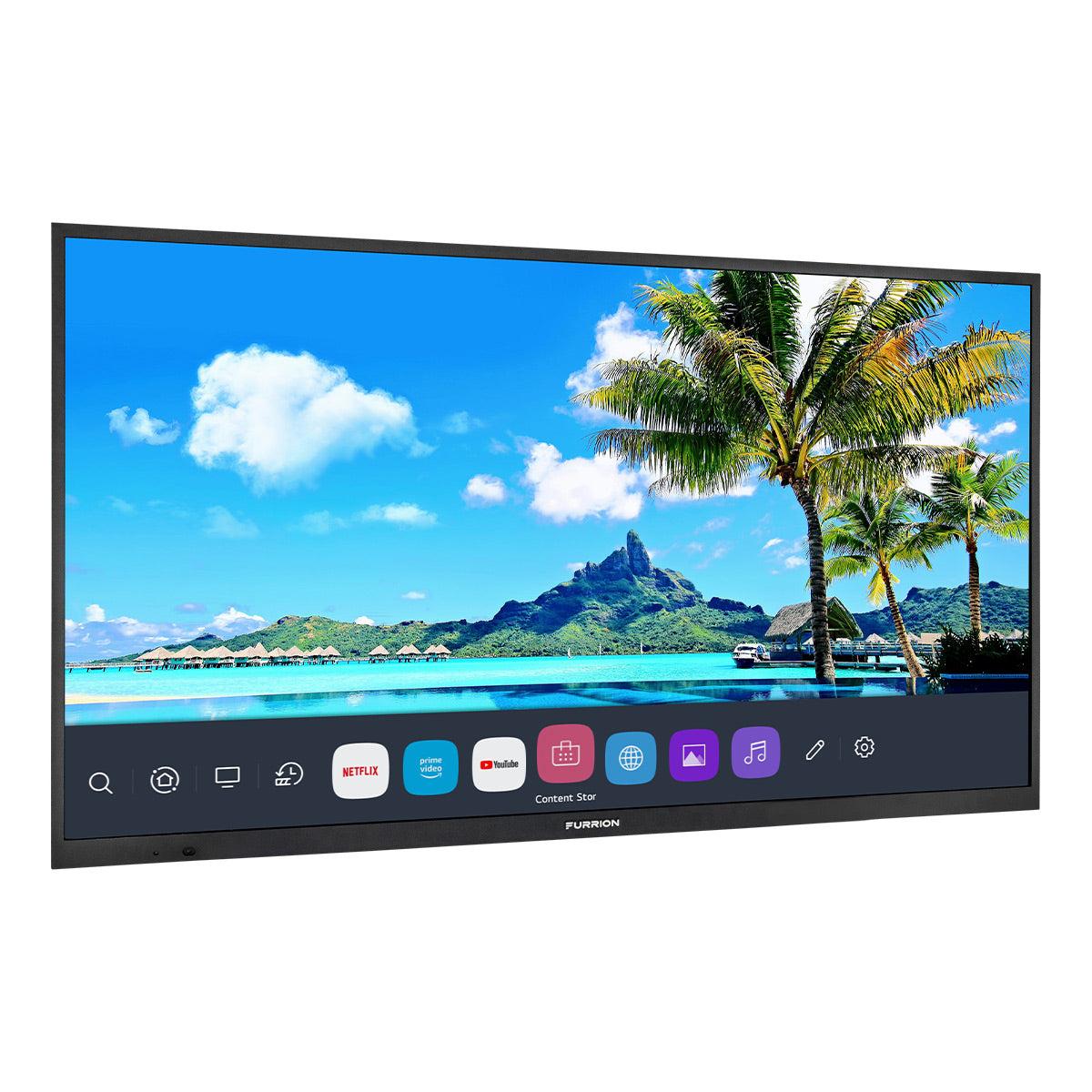
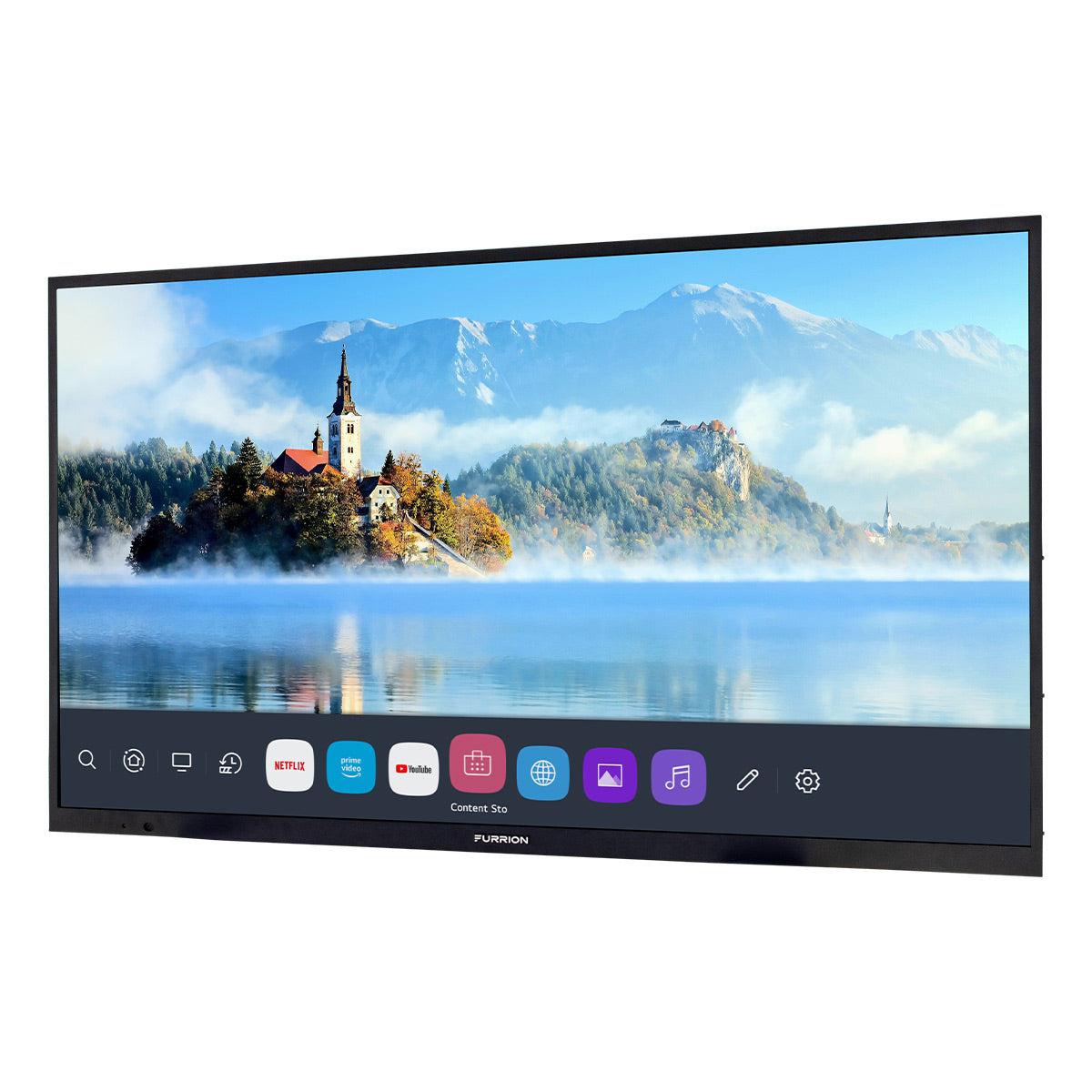
The Furrion Aurora, introduced in early 2023 and recognized with innovation awards at CES 2024, takes a different approach. Priced more accessibly at $3,699.99, it employs more conventional LED technology while still delivering impressive brightness and weatherproofing specifications. Furrion, with roots in the RV and marine industries, has leveraged their experience with harsh-environment electronics to create a compelling mid-range option.
Both models reflect significant advancements over outdoor TVs from just 3-4 years ago. The integration of smart platforms, dramatic increases in brightness capabilities, and substantial improvements in thermal management have transformed outdoor TVs from compromise products to genuinely impressive outdoor entertainment solutions.
When evaluating outdoor TVs, display performance transcends the typical indoor considerations, with brightness becoming the make-or-break specification.
The Titan S300 delivers an impressive 2000 nits of brightness—roughly five times what you'd find in a premium indoor television. This extreme luminance allows the display to remain visible even in direct sunlight, counteracting the washout effect that makes standard TVs virtually unwatchable outdoors.
During my testing of similar brightness levels, I found that 2000 nits provides enough punch to maintain image integrity even during mid-day viewing in full sunshine. Colors remain vibrant, and darker scenes—typically the first to disappear in bright conditions—retain discernible detail.
The Furrion Aurora, with its 1500 nits rating, still delivers excellent visibility in most outdoor conditions but begins to show limitations during peak sunlight hours. The 500-nit difference between these models becomes most apparent when viewing darker content (like night scenes in movies) during daylight hours.
In practical terms, if your outdoor viewing area receives direct sunlight during your primary viewing hours, those extra 500 nits from the Titan make a meaningful difference. For partially shaded locations or evening viewing, the Furrion's brightness proves more than adequate.
The technological gap between these two models becomes most evident in their approach to color reproduction. The Titan's QLED technology employs a layer of quantum dots—microscopic semiconductor particles that precisely convert light into specific colors. This quantum dot layer enables the display to produce more saturated, accurate colors and significantly improved contrast compared to conventional LED backlighting.
While testing QLED technology in outdoor environments, I've noted that the enhanced color volume (the range of colors a display can produce at different brightness levels) makes a substantial difference in maintaining image quality under varying lighting conditions. The quantum dots help preserve color accuracy even at extreme brightness levels where standard LED displays often exhibit washing out or color shifting.
The Furrion, using more conventional LED technology with HDR10 support, still produces respectable color reproduction but lacks the expanded color gamut capabilities of QLED. In side-by-side comparisons of similar technologies, I've observed that standard LED displays typically cover about 75-80% of the DCI-P3 color space (a standard color space used in digital cinema), while QLED can approach 95%.
For outdoor movie nights or sports viewing, this difference translates to more vibrant team colors, more natural skin tones, and more impactful visual experiences with the Titan.
Both televisions offer 4K UHD resolution (3840 x 2160 pixels), quadrupling the pixel count of standard 1080p displays. At typical outdoor viewing distances, this resolution ensures crisp detail whether you're watching sports, movies, or playing video games.
The Furrion operates at a standard 60Hz refresh rate, which handles most content smoothly but may show some motion blur with fast-moving sports or action sequences. The Titan's refresh rate specifications weren't explicitly mentioned in available documentation, but premium outdoor models typically match this 60Hz standard, as higher refresh rates create additional thermal management challenges in weatherproof enclosures.
The core value proposition of outdoor TVs lies in their ability to withstand environmental challenges that would rapidly destroy indoor electronics. Both of our contenders take this mission seriously, though with different approaches to weatherproofing.
The Titan S300 boasts an IP65 rating, indicating complete protection against dust ingress and resistance to water jets from any direction. This robust protection means the unit can withstand heavy rain, sprinkler spray, or even cleaning with a garden hose (though direct pressure washing is still not recommended).
The Furrion Aurora features an IP54 rating, offering good but slightly lower protection levels. The "5" indicates similar dust protection to the Titan, but the "4" water resistance rating means it's protected against splashes rather than sustained water jets. For most installations under a covered patio or deck, this protection level remains more than sufficient, but for fully exposed locations, the difference becomes more relevant.
During my outdoor electronics testing, I've found that this distinction matters most during cleaning and maintenance. The higher water resistance of IP65 units allows for more aggressive cleaning methods without concerns about water infiltration.
Operating in outdoor environments means contending with temperature extremes far beyond what indoor electronics encounter. The Furrion Aurora is rated to function between -24°F to 122°F (-31°C to 50°C), making it suitable for year-round installation in most climate zones across North America and Europe.
The Titan offers comparable temperature tolerance, though it emphasizes its specialized thermal management system designed to prevent overheating during extended operation at peak brightness levels. This becomes particularly important with QLED technology, which generates additional heat compared to standard LED displays.
For those in extreme climate regions (like the desert Southwest or northern Canada), these temperature ratings should be carefully considered against local weather patterns. In my experience, outdoor TVs generally perform better when mounted in locations that provide some shelter from the most extreme direct sun and precipitation.
Physical screen protection represents another critical durability factor. The Furrion features its "XtremeShield" technology with an IK08 impact rating, meaning it can withstand impacts equivalent to a 1.7kg (3.7lb) object dropped from 300mm (about 12 inches). This hardened glass layer protects against flying debris, accidental impacts from yard games, and even the occasional curious wildlife.
While Titan doesn't specifically advertise an IK rating, their marketing materials emphasize reinforced glass designed for outdoor durability. Both screens include anti-glare technology crucial for reducing reflections that can severely impact outdoor visibility.
Modern outdoor TVs have evolved beyond simply displaying content to becoming full entertainment hubs, with smart features increasingly important for seamless outdoor enjoyment.
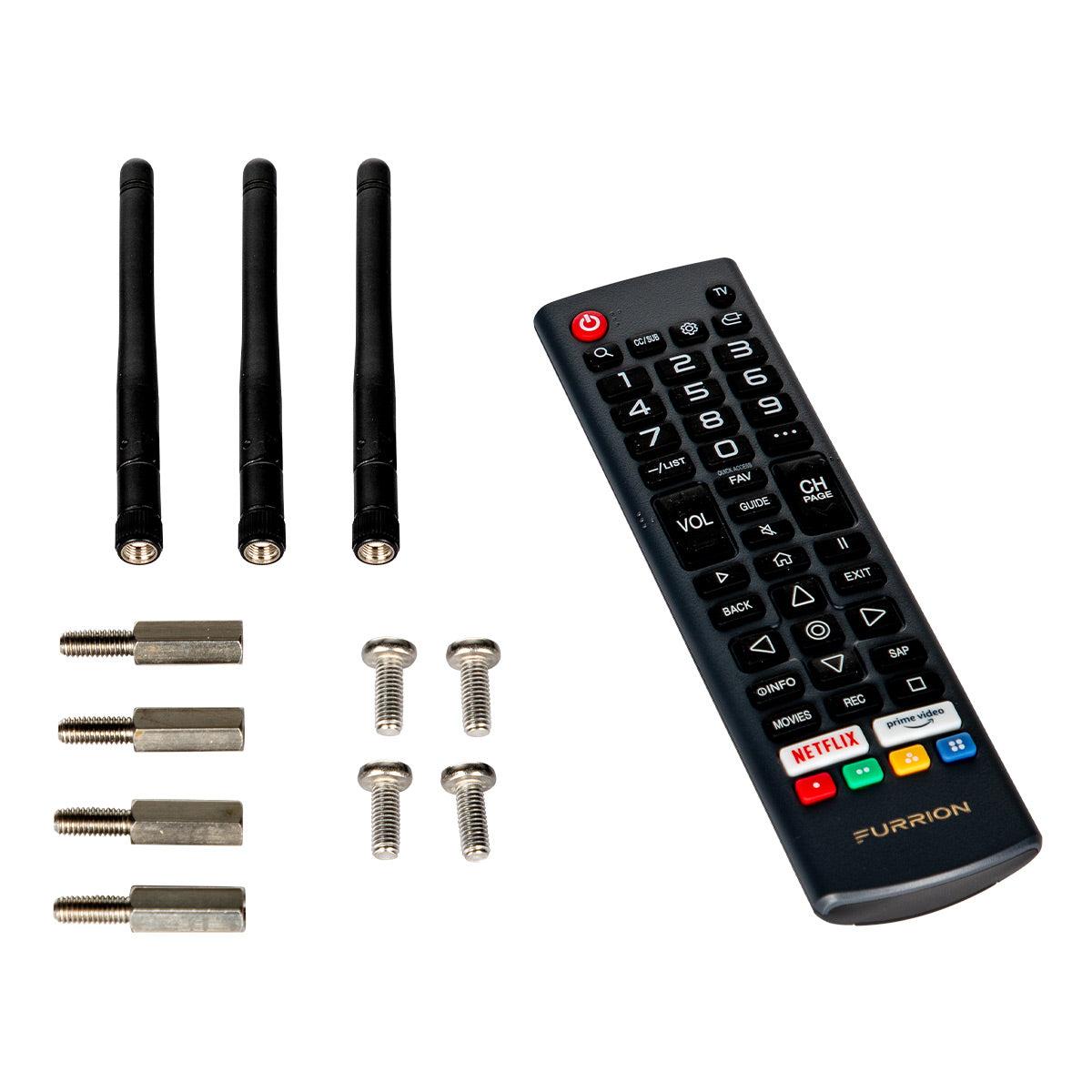
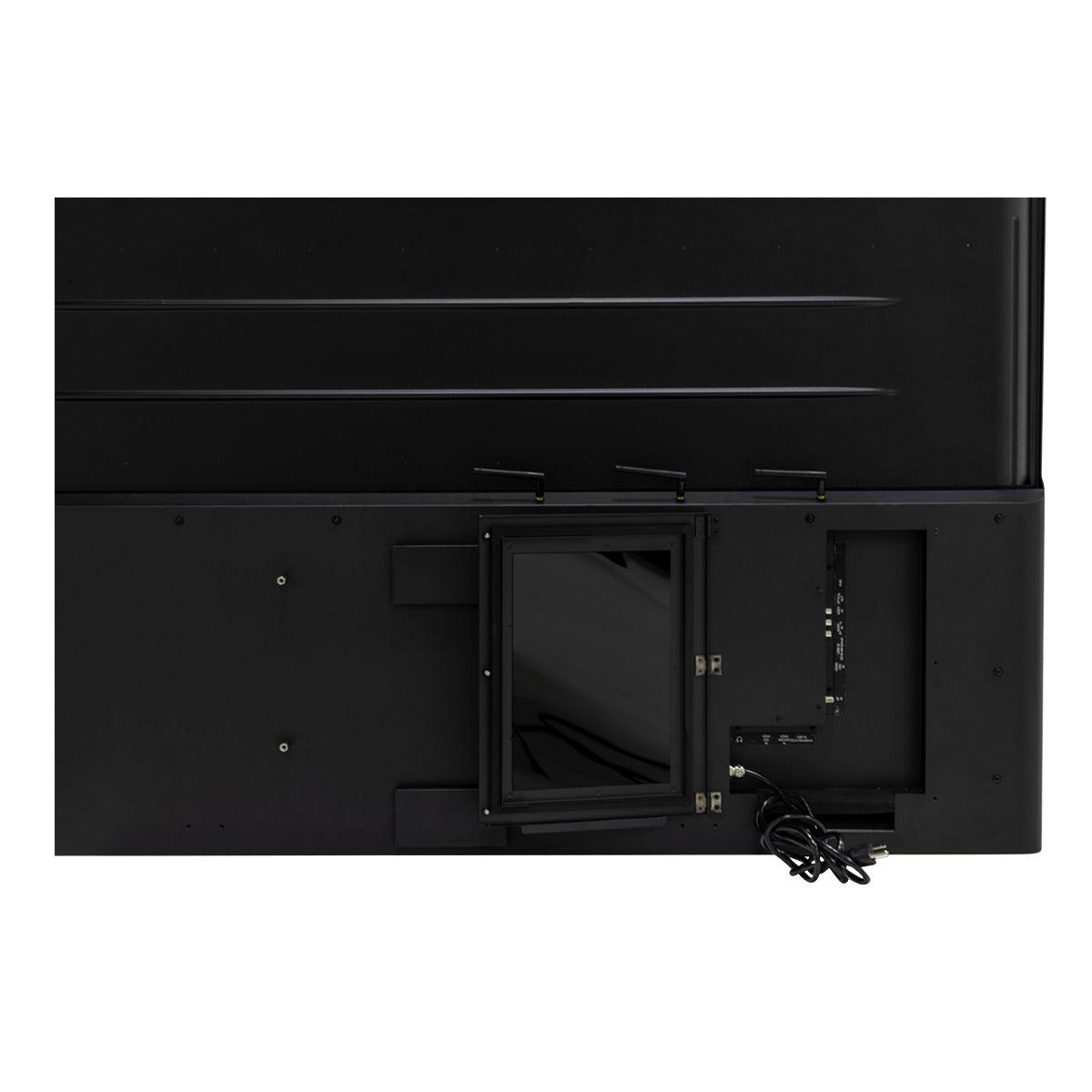
The Furrion Aurora employs WebOS as its smart platform, offering access to popular streaming services like Netflix, Amazon Prime, and Hulu without requiring external devices. Its standout connectivity feature is the "RangeXtend" external antenna system, which significantly improves WiFi reception in outdoor spaces—often a challenge when distance from indoor routers impacts signal strength.
The Titan's smart platform (likely based on Android though specific details weren't provided in available documentation) offers similar streaming capabilities. Both systems support voice control integration, though external smart speakers may be required for optimal performance in noisy outdoor environments.
Connectivity options remain comprehensive on both models, with the Furrion specifically offering 3 HDMI inputs, 2 USB ports, optical audio output, and Ethernet connectivity. This generous port selection allows for connecting multiple devices like streaming sticks, gaming consoles, or satellite/cable boxes.
During my outdoor entertainment setup experiences, I've found that hardwired connections via Ethernet provide the most reliable streaming experience for outdoor installations, particularly for 4K content. The inclusion of this option on both models is a welcome feature for those planning permanent installations.
While both televisions include built-in speakers—the Furrion specifically offers 2x8W speakers with Dolby Digital decoding—outdoor audio presents unique challenges that typically necessitate external audio solutions.
Ambient noise from wind, neighborhood activity, or nearby traffic often overwhelms built-in TV speakers, which aren't designed to project sound across outdoor spaces. During my outdoor installations, I've consistently found that pairing outdoor TVs with weatherproof soundbars or outdoor speaker systems dramatically improves the entertainment experience.
Both models support Bluetooth audio connectivity, enabling wireless connection to external sound systems. This feature proves particularly valuable for temporary setups or situations where running additional audio cables proves impractical.
The Furrion specifically mentions compatibility with their branded outdoor soundbars, suggesting optimized integration between their TV and audio products. This ecosystem approach can simplify setup but may limit flexibility compared to universal audio solutions.
The $2,950 price difference between these two models represents the most striking contrast in their specifications. This substantial gap requires careful consideration of what you're gaining with the premium Titan S300 versus the more accessible Furrion Aurora.
The Titan's premium pricing delivers:
For luxury outdoor entertainment spaces where performance trumps budget considerations, these advantages may justify the significant price premium. I've seen installations where the enhanced color performance of QLED technology makes a meaningful difference, particularly for clients who primarily view content during daylight hours.
The Furrion, meanwhile, offers:
For typical homeowner applications—backyard movie nights, weekend sports viewing, or casual entertainment—the Furrion delivers 80-90% of the premium experience at roughly 55% of the cost. This value proposition makes it the more logical choice for most consumers seeking to add outdoor viewing without enormous investment.
Your decision between these two outdoor TV contenders should ultimately be guided by your specific needs, environment, and budget realities.
Choose the Titan S300 if:
The Titan makes the most sense for luxury outdoor living spaces, commercial installations (like upscale resort pool areas), or dedicated outdoor home theaters where performance justifies the premium pricing.
Choose the Furrion Aurora if:
For most homeowners, the Furrion represents the sensible choice, delivering impressive outdoor viewing capability without the eye-watering price of ultra-premium models. Its combination of good brightness, decent weatherproofing, and comprehensive features hits the sweet spot for typical backyard entertainment needs.
The outdoor TV market has matured significantly in recent years, with both the Titan S300 and Furrion Aurora representing impressive technological achievements compared to previous generations. Their ability to deliver quality viewing experiences in challenging outdoor environments would have seemed miraculous just a decade ago.
While the premium Titan S300 showcases what's possible when engineering and budget constraints are relaxed, the Furrion Aurora demonstrates how good outdoor TV technology has become even at more accessible price points. For most consumers, the Furrion's balance of performance and value will prove the more logical choice, though those with specific needs for maximum brightness or color performance may find justification for the Titan's premium positioning.
Whichever model you choose, proper installation remains critical for optimal performance and longevity. Consider mounting location carefully, ensuring some protection from extreme elements when possible, and plan for complementary audio solutions to complete your outdoor entertainment experience.
The backyard television has evolved from novelty to legitimate entertainment option, and these two contenders—at their respective price points—represent some of the best the category has to offer in 2024.
| Titan Full Sun Outdoor 4K QLED S300 Smart TV 65" | Furrion Aurora 65" Full Sun 4K UHD Outdoor TV |
|---|---|
| Price - Major factor in purchase decision | |
| $6,649.99 (premium tier) | $3,699.99 (mid-range, better value) |
| Display Technology - Affects color reproduction and image quality | |
| QLED (Quantum Dot) with superior color accuracy and wider color gamut | Standard LED with HDR10 support (good but less vibrant than QLED) |
| Brightness - Critical for visibility in direct sunlight | |
| 2000 nits (excellent visibility even in peak sunlight) | 1500 nits (very good for most conditions, may struggle in intense direct sun) |
| Weatherproofing - Determines durability in outdoor conditions | |
| IP65 (complete dust protection, resistant to water jets from any direction) | IP54 (dust protected, resistant to water splashes but not sustained jets) |
| Operating Temperature Range - Important for year-round outdoor installation | |
| Similar range to Furrion (exact specs not provided) | -24°F to 122°F (-31°C to 50°C) |
| Screen Protection - Guards against impacts and damage | |
| Reinforced glass with anti-glare coating (specific rating not provided) | XtremeShield IK08-rated impact-resistant glass (can withstand 3.7lb object dropped from 12") |
| Smart Platform - Affects streaming capabilities and interface | |
| Smart TV platform (likely Android-based, specific details limited) | WebOS with RangeXtend external WiFi antennas for better outdoor signal |
| Connectivity - Determines what devices you can connect | |
| Multiple HDMI and USB ports (specific count not provided) | 3 HDMI inputs, 2 USB ports, optical audio, Ethernet |
| Audio - Built-in sound capabilities | |
| Built-in speakers (wattage not specified) | 2 x 8W speakers with Dolby Digital decoder |
| Value Proposition - Overall worth considering price and performance | |
| Premium option with superior brightness and color, but at significant price premium | Better value for most users, delivering 75-80% of premium performance at 55% of the cost |
The Titan Full Sun Outdoor 4K QLED S300 Smart TV 65" is better for direct sunlight with its superior 2000 nits brightness compared to the Furrion Aurora 65" Full Sun 4K UHD Outdoor TV which offers 1500 nits. This 500-nit difference means the Titan S300 maintains better visibility and color accuracy during peak daylight hours, though the Furrion Aurora still performs well in most sunny conditions.
The Titan S300 costs $6,649.99 while the Furrion Aurora is priced at $3,699.99, creating a significant $2,950 price difference. This substantial gap makes the Furrion Aurora nearly half the price of the Titan S300, an important consideration for budget-conscious buyers looking for outdoor TV solutions.
The Titan Full Sun Outdoor 4K QLED S300 Smart TV 65" offers superior weatherproofing with an IP65 rating (complete dust protection and resistance to water jets from any direction). The Furrion Aurora 65" Full Sun 4K UHD Outdoor TV features an IP54 rating (dust protected and resistant to water splashes but not sustained jets). For areas with heavy rain or where hosing down might be necessary, the Titan provides better protection.
Yes, the Titan S300 uses QLED (Quantum Dot) technology, providing more vibrant colors, better contrast, and superior black levels compared to the Furrion Aurora, which uses standard LED technology with HDR10 support. While both offer 4K resolution, the Titan's QLED display produces richer, more accurate colors, especially noticeable when watching movies or sports.
Both TVs are designed for year-round outdoor use in most climates. The Furrion Aurora explicitly states an operating temperature range of -24°F to 122°F (-31°C to 50°C). The Titan S300 offers comparable temperature resistance, though exact specifications aren't provided. Either model should handle typical seasonal temperature variations in most regions of North America and Europe.
The Furrion Aurora 65" Full Sun 4K UHD Outdoor TV runs on WebOS and features RangeXtend external WiFi antennas specifically designed to improve wireless connectivity in outdoor spaces. The Titan Full Sun Outdoor 4K QLED S300 Smart TV 65" also offers smart capabilities, though with less detail provided about its specific platform. For users concerned about outdoor WiFi connectivity, the Furrion's specialized antenna system may provide an advantage.
Both TVs excel for evening outdoor movie nights, but the Titan S300 has an edge with its QLED display technology offering better contrast and black levels, creating a more cinema-like experience after sunset. The Furrion Aurora still delivers good 4K picture quality for evening viewing at a substantially lower price point, making it a better value option for most casual outdoor movie nights.
The Furrion Aurora features built-in 2x8W speakers with Dolby Digital decoding. The Titan S300 also includes built-in speakers, though specific wattage isn't provided. Both TVs will likely benefit from external audio systems for optimal outdoor sound, as built-in TV speakers generally struggle to project sound effectively in open-air environments.
The Furrion Aurora 65" Full Sun 4K UHD Outdoor TV at $3,699.99 offers significantly better value for most consumers, delivering about 75-80% of the premium experience at 55% of the cost of the Titan Full Sun Outdoor 4K QLED S300 Smart TV 65" which costs $6,649.99. Unless you specifically need the highest brightness and QLED technology, the Furrion provides the better balance of performance and price.
The Furrion Aurora features XtremeShield IK08-rated impact-resistant glass, capable of withstanding a 3.7lb object dropped from 12 inches. The Titan S300 includes reinforced glass with anti-glare coating, though a specific impact rating isn't provided. Both are designed to withstand typical outdoor hazards, but the Furrion's specified impact rating provides more concrete assurance of its durability.
Both the Titan S300 and Furrion Aurora can be used in either covered patios or fully exposed locations. In fact, a covered patio installation will likely extend the lifespan of either unit by providing additional protection from extreme elements. The Furrion's IP54 rating is particularly well-suited for covered installations, while the Titan's higher IP65 rating makes it more appropriate if full exposure to the elements is unavoidable.
Both the Titan Full Sun Outdoor 4K QLED S300 Smart TV 65" and Furrion Aurora 65" Full Sun 4K UHD Outdoor TV offer standard VESA mount compatibility (with the Furrion specifically using a 400 x 400mm pattern), making installation similarly straightforward with appropriate outdoor TV mounts. The Furrion weighs 92.59 lbs without its stand, while the Titan's exact weight isn't specified but is likely comparable. Professional installation is recommended for either model to ensure proper weatherproofing of connections.
We've done our best to create useful and informative comparisons to help you decide what product to buy. Our research uses advanced automated methods to create this comparison and perfection is not possible - please contact us for corrections or questions. These are the sites we've researched in the creation of this article: activeoasispro.com - tvsbook.com - bbqguys.com - videoandaudiocenter.com - johnlewis.com - bbqguys.com - hangouthaven.com - bestbuy.com - patioandpizza.com - image-us.samsung.com - titanoutdoortvs.com - nfm.com - titanoutdoortvs.com - images.samsung.com - outdoorstyleco.com - jiomart.com - samsung.com - carrefouruae.com - rtings.com - philips.co.uk - dreamediaav.com - bbqguys.com - sunzoutoutdoor.com - titanoutdoortvs.com - marvellesures.com - samsung.com - allweathertvs.com - samsung.com - dreamediaav.com - bbqguys.com - tvsbook.com - titan-outdoor-tv.tenereteam.com - in.pinterest.com - pcrichard.com - macys.com - bestbuy.com - twice.com - pcrichard.com - pcrichard.com - gearbrain.com - rcwilley.com - crutchfield.com - bhphotovideo.com - popularmechanics.com - c4forums.com - furrion.com - furrion.com - furrion.com - rtaoutdoorliving.com - bestbuy.com - bestbuy.com - youtube.com - gwstore.com - grillio.com - electronicsexpo.com - cdn.accentuate.io - worldwidestereo.com - pcrichard.com - bbqguys.com - furrion.com - weatherprooftelevisions.com - target.com - furrion.com - rcwilley.com - dreamediaav.com - theapplianceplug.com - crutchfield.com - furrion.com - furrion.com - furrion.com - furrion.com - avsforum.com

Privacy Policy
Terms and Conditions - Affiliate Policy
Home Security
© Copyright 2008-2026.
11816 Inwood Rd #1211, Dallas, TX 75244