

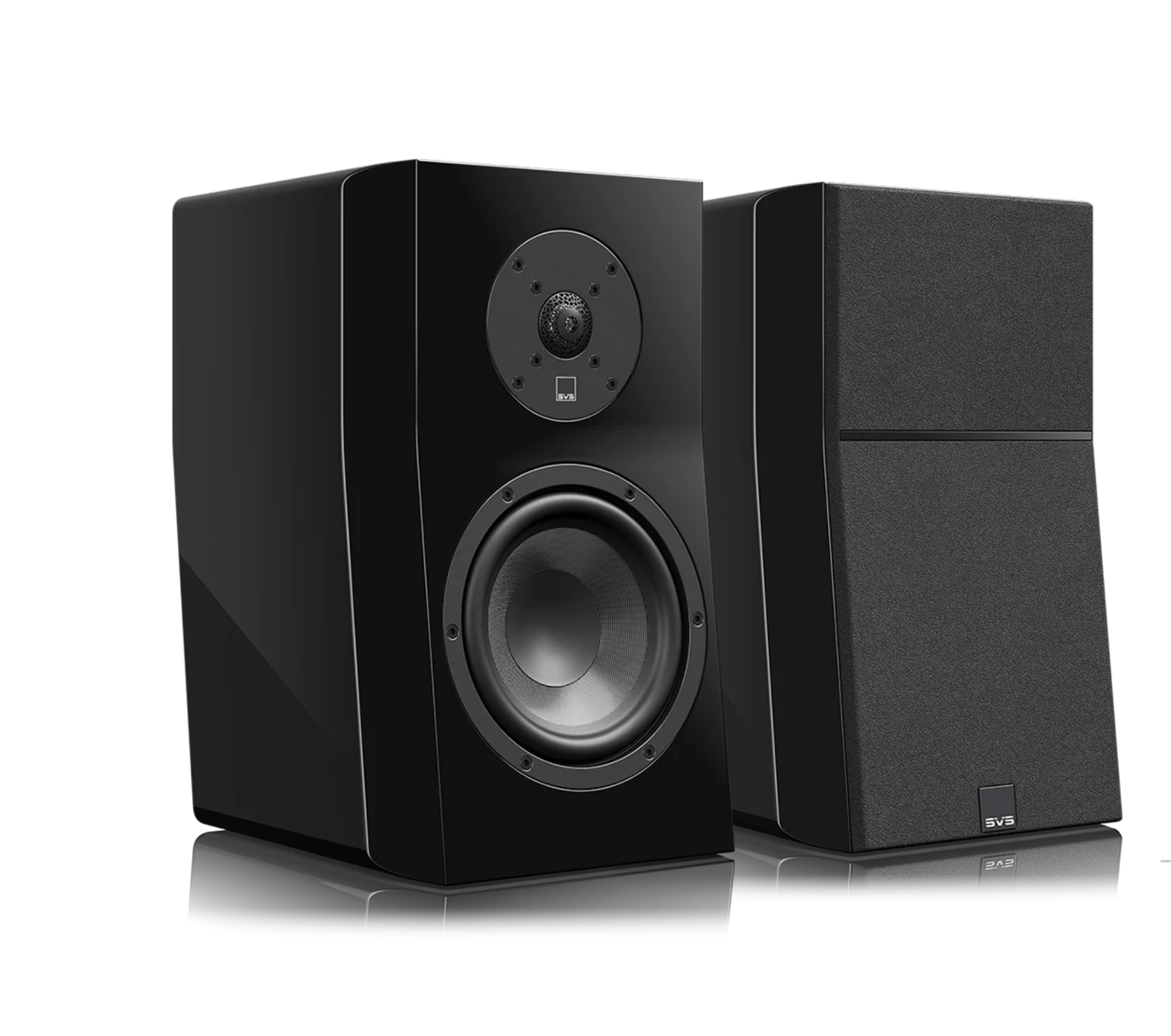
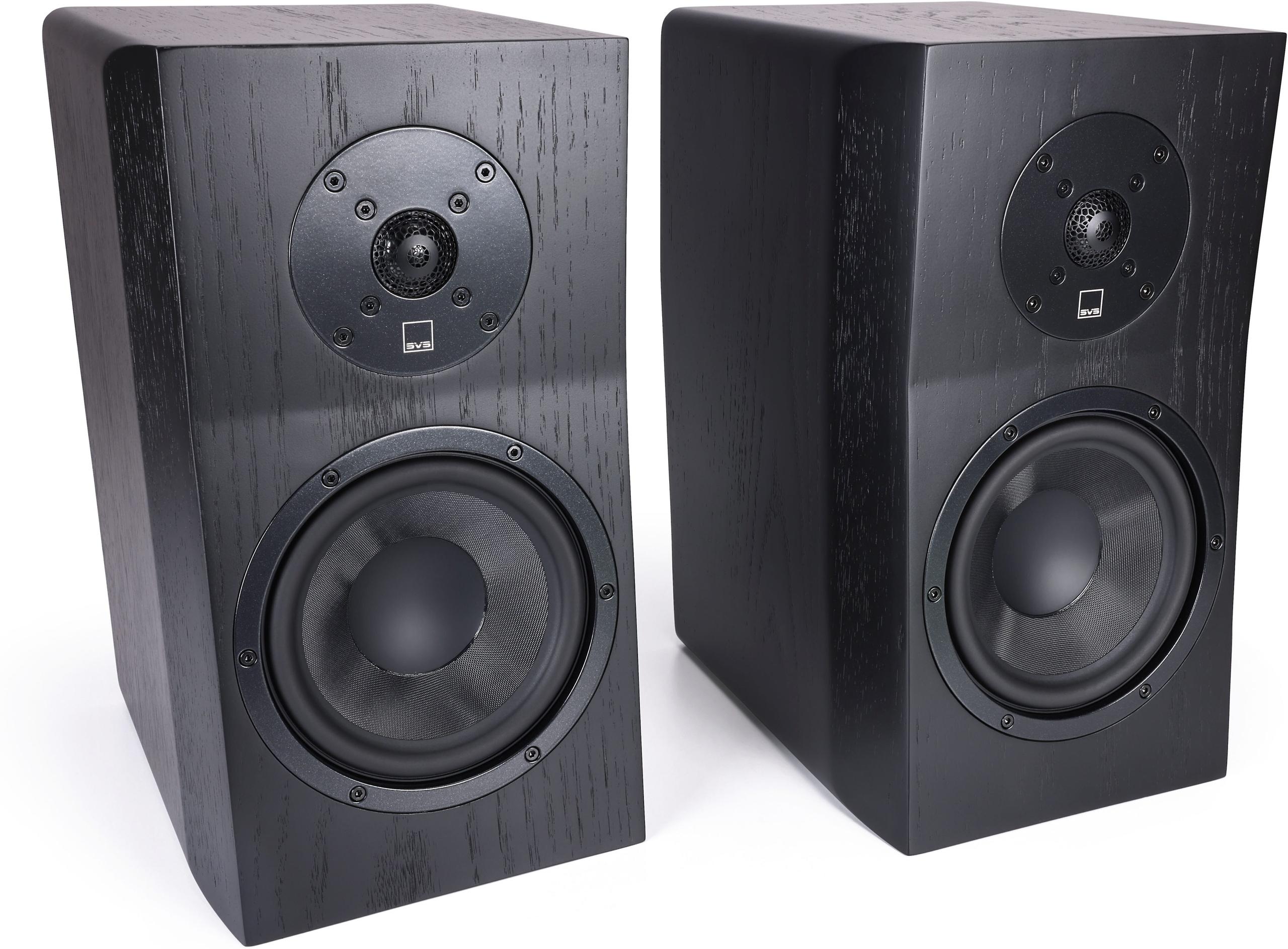
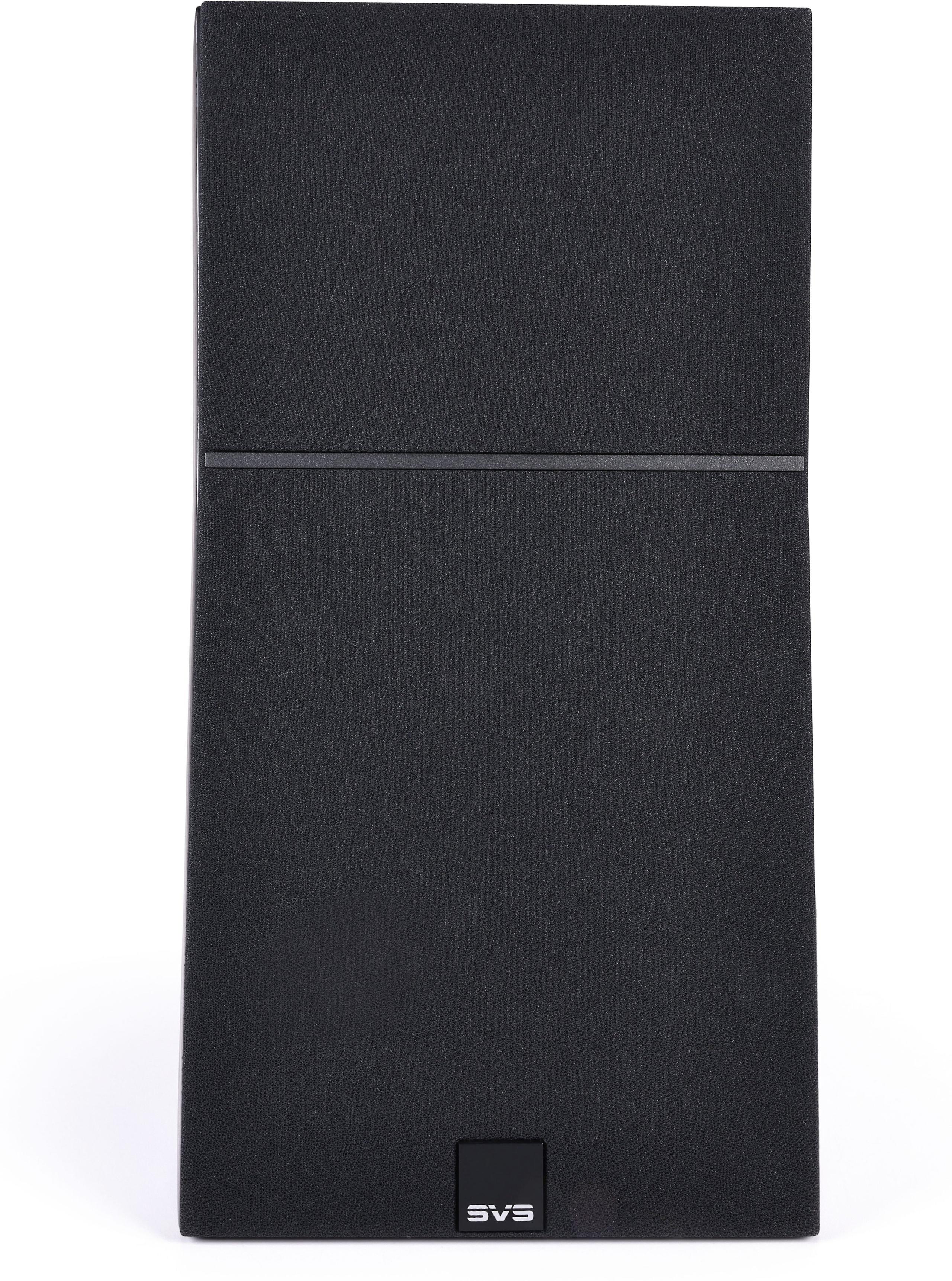
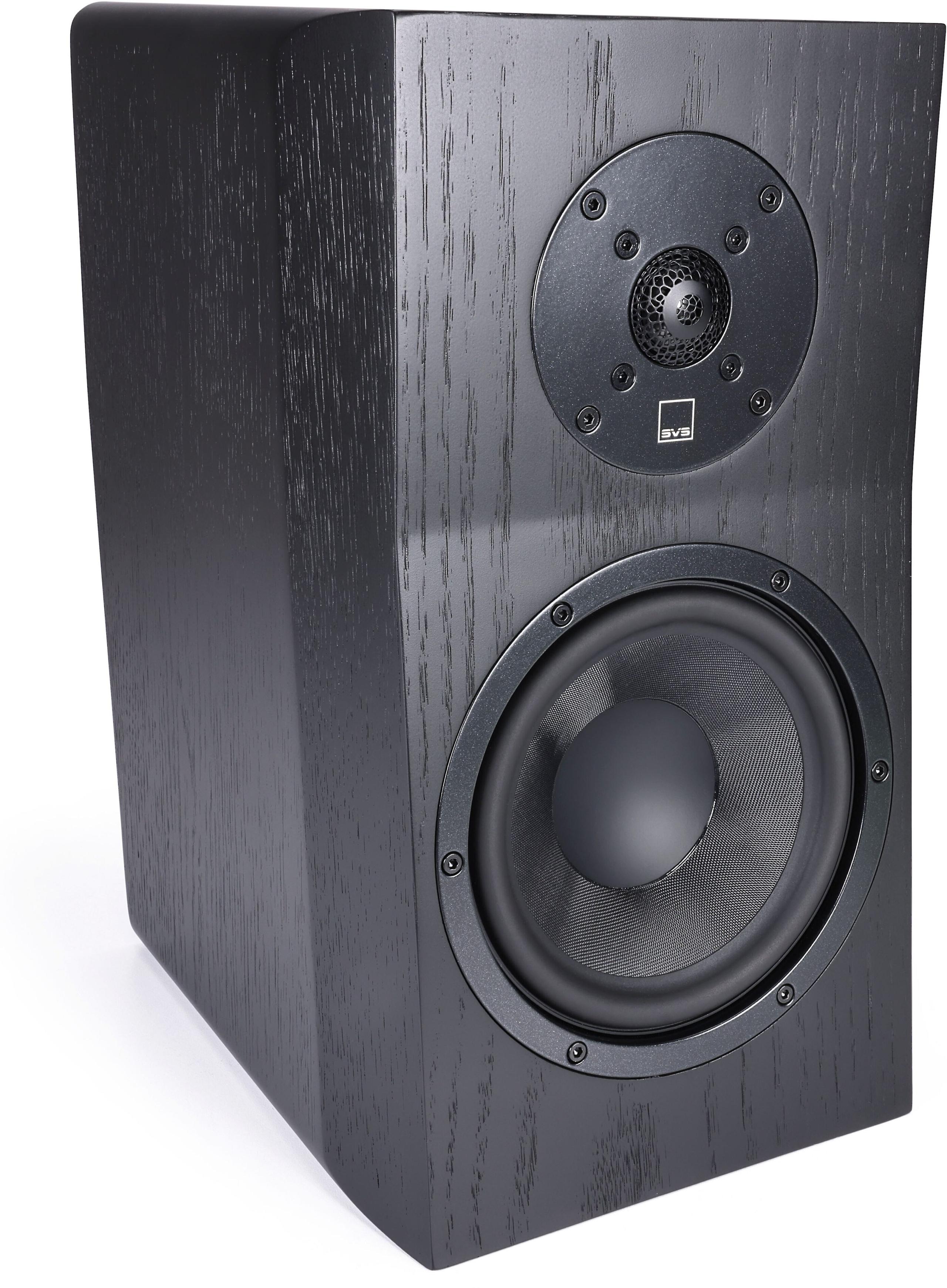
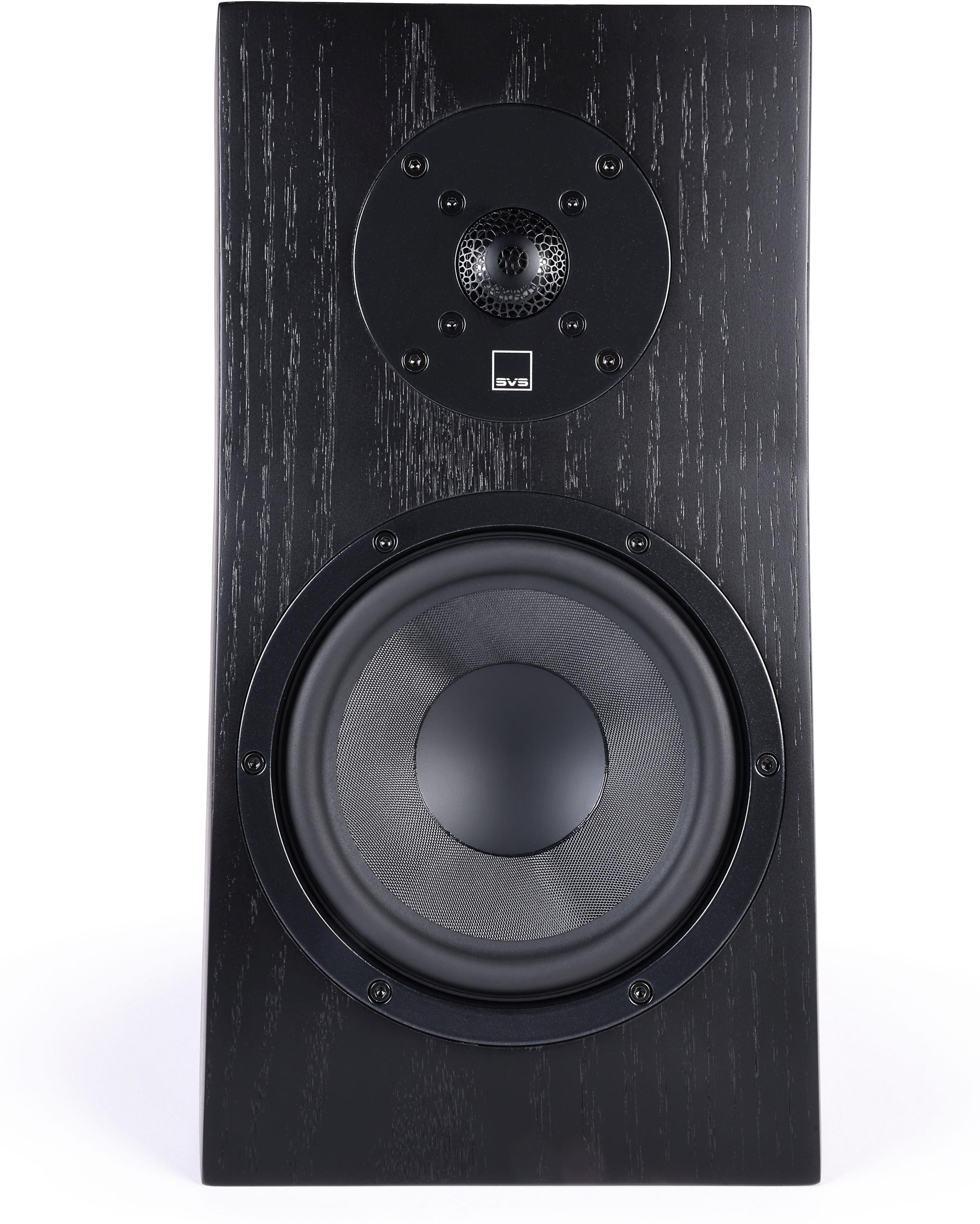
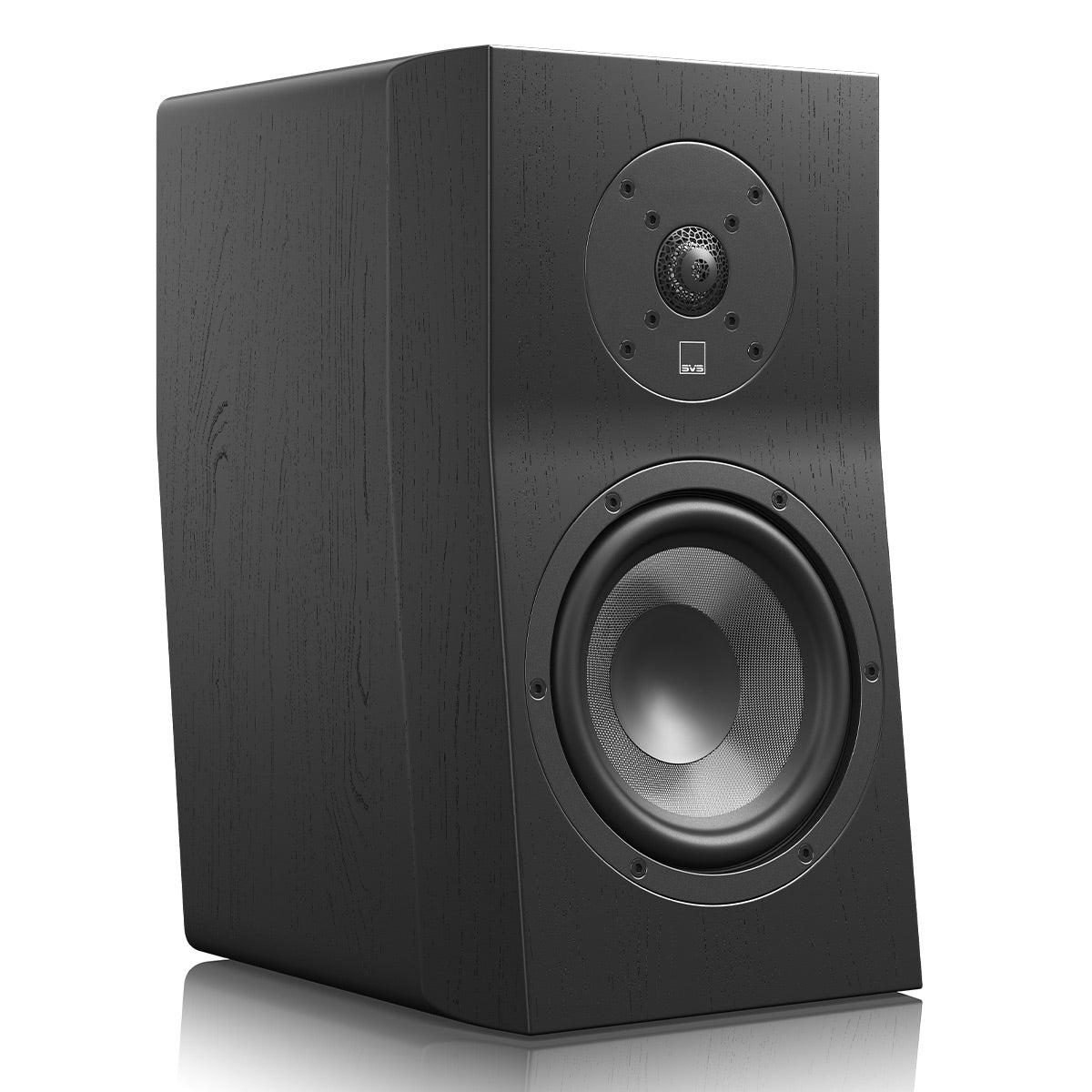
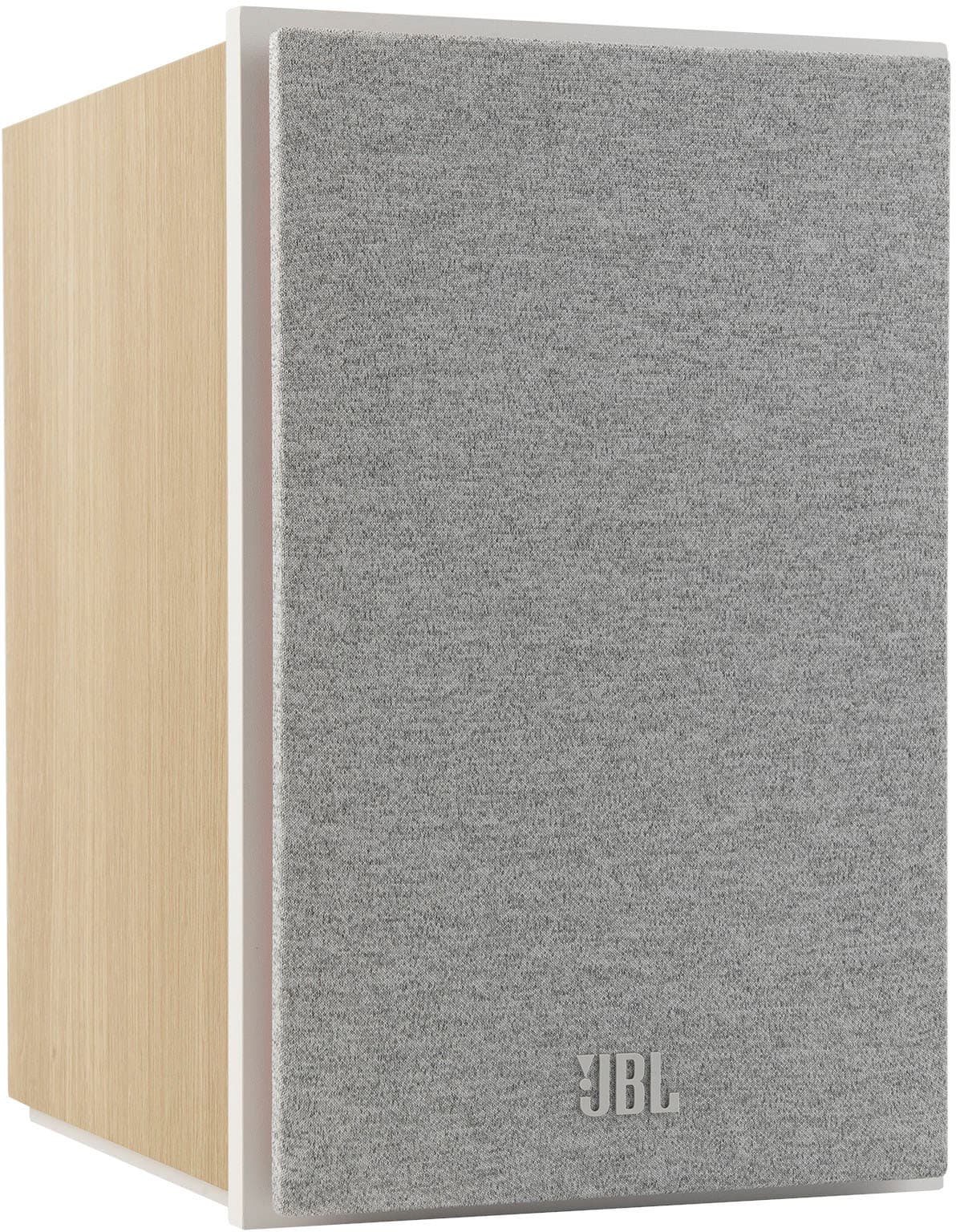
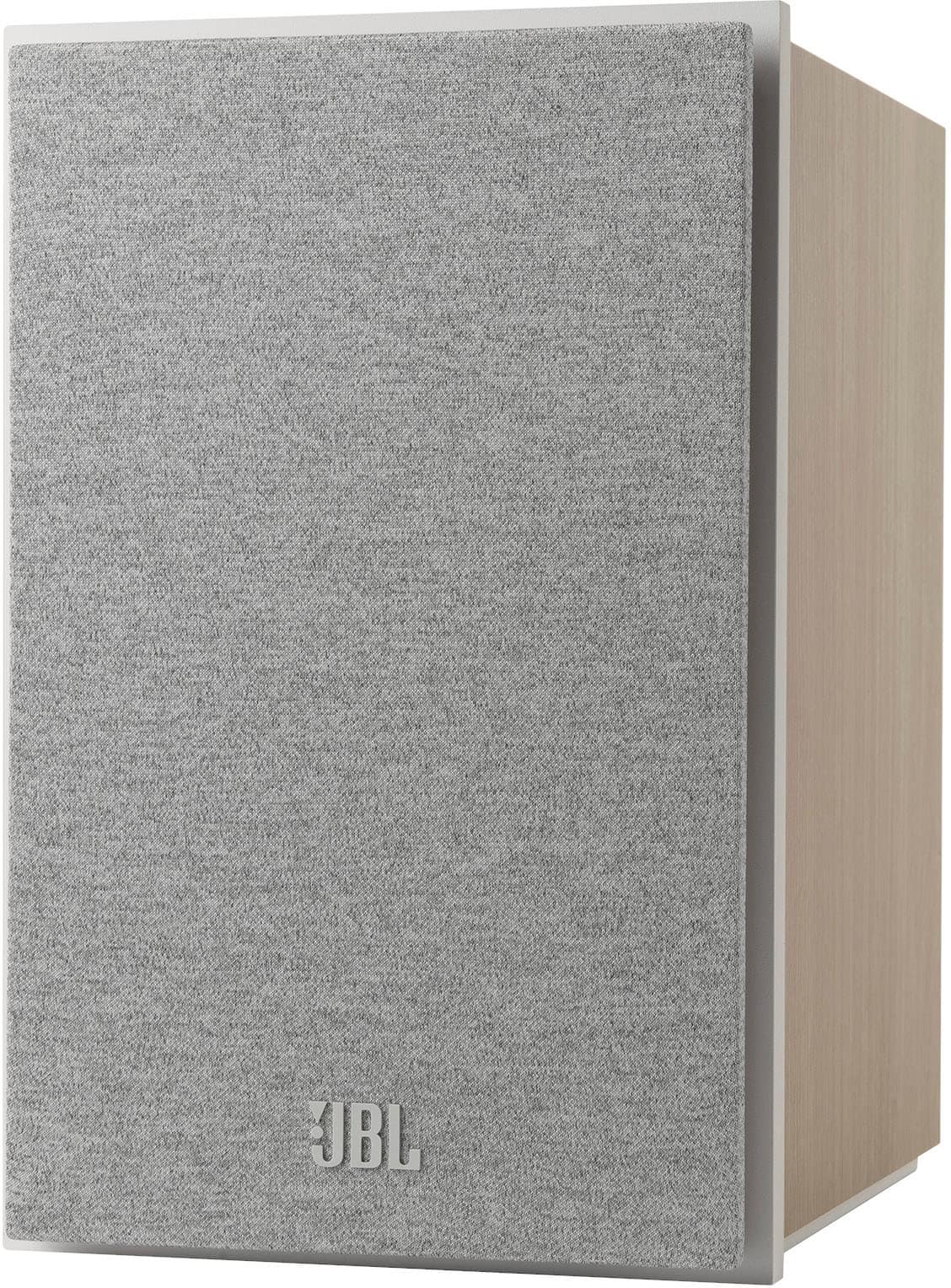
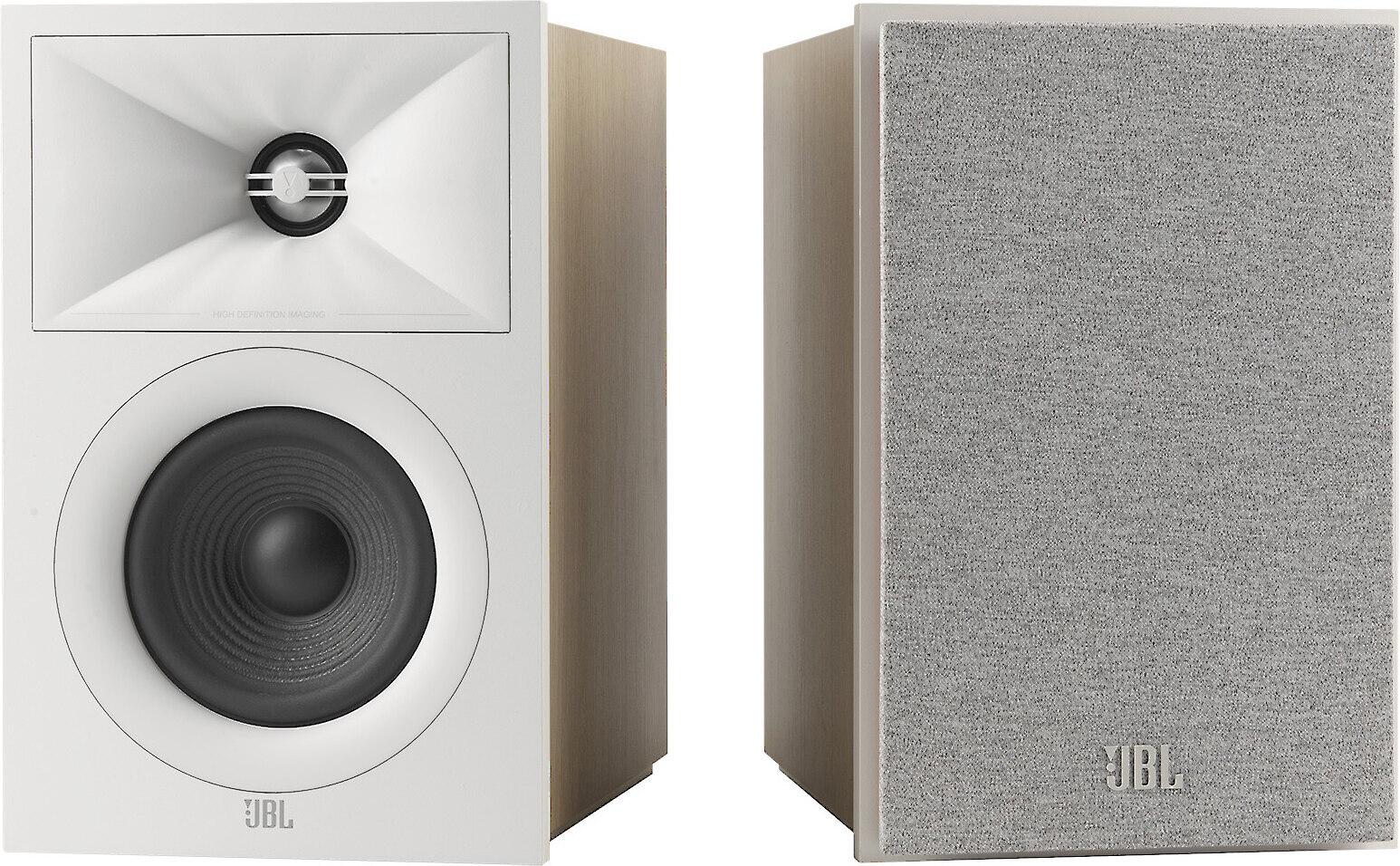
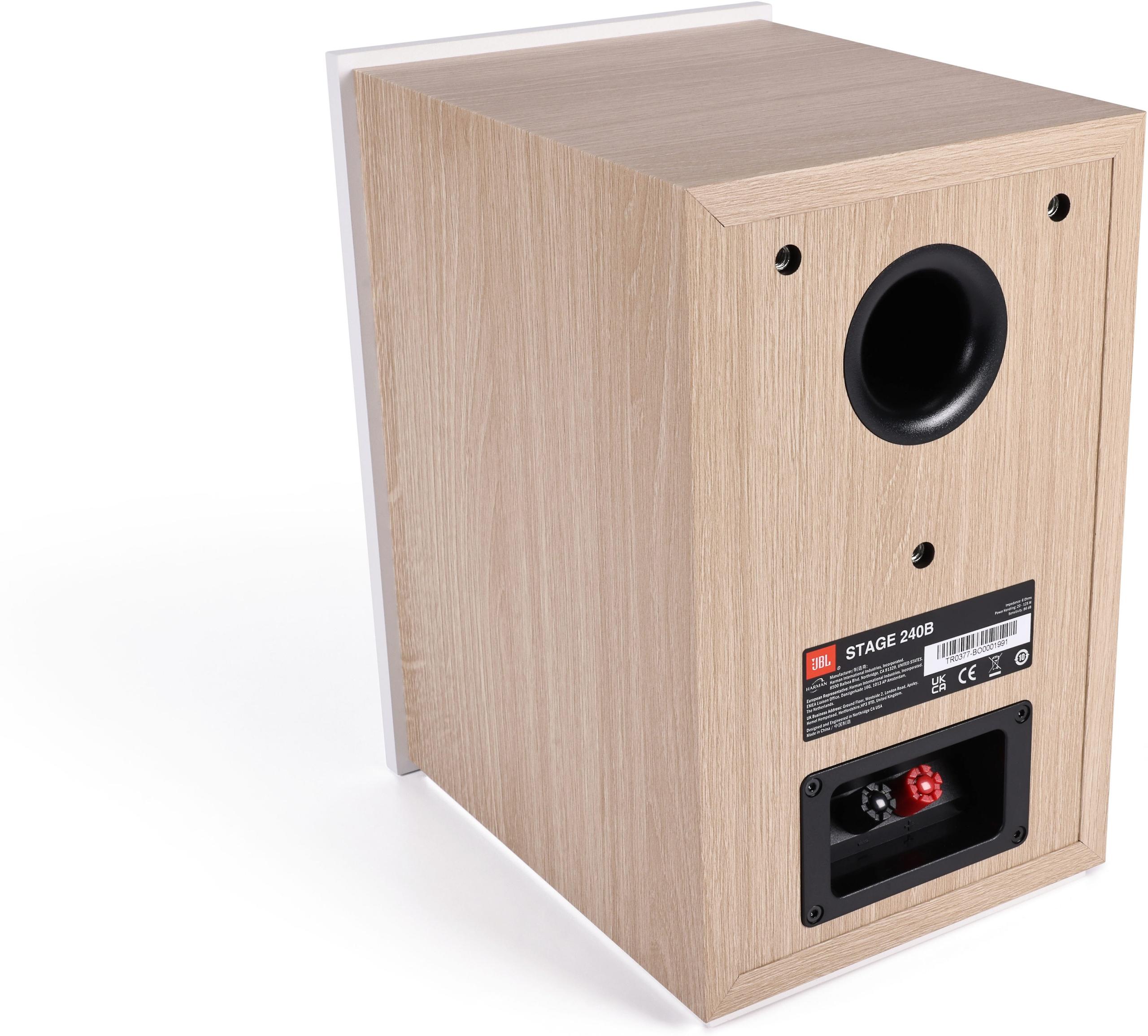
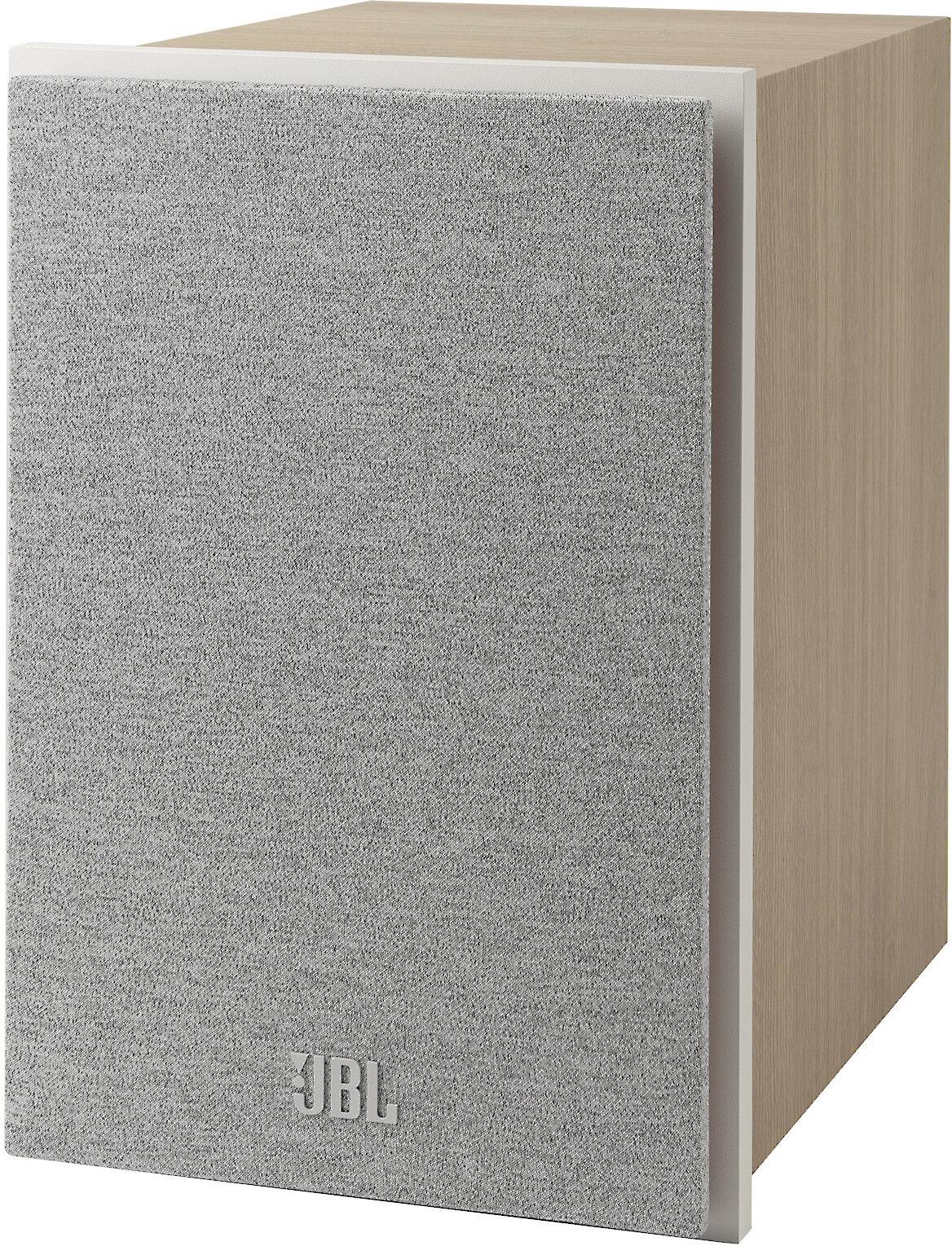
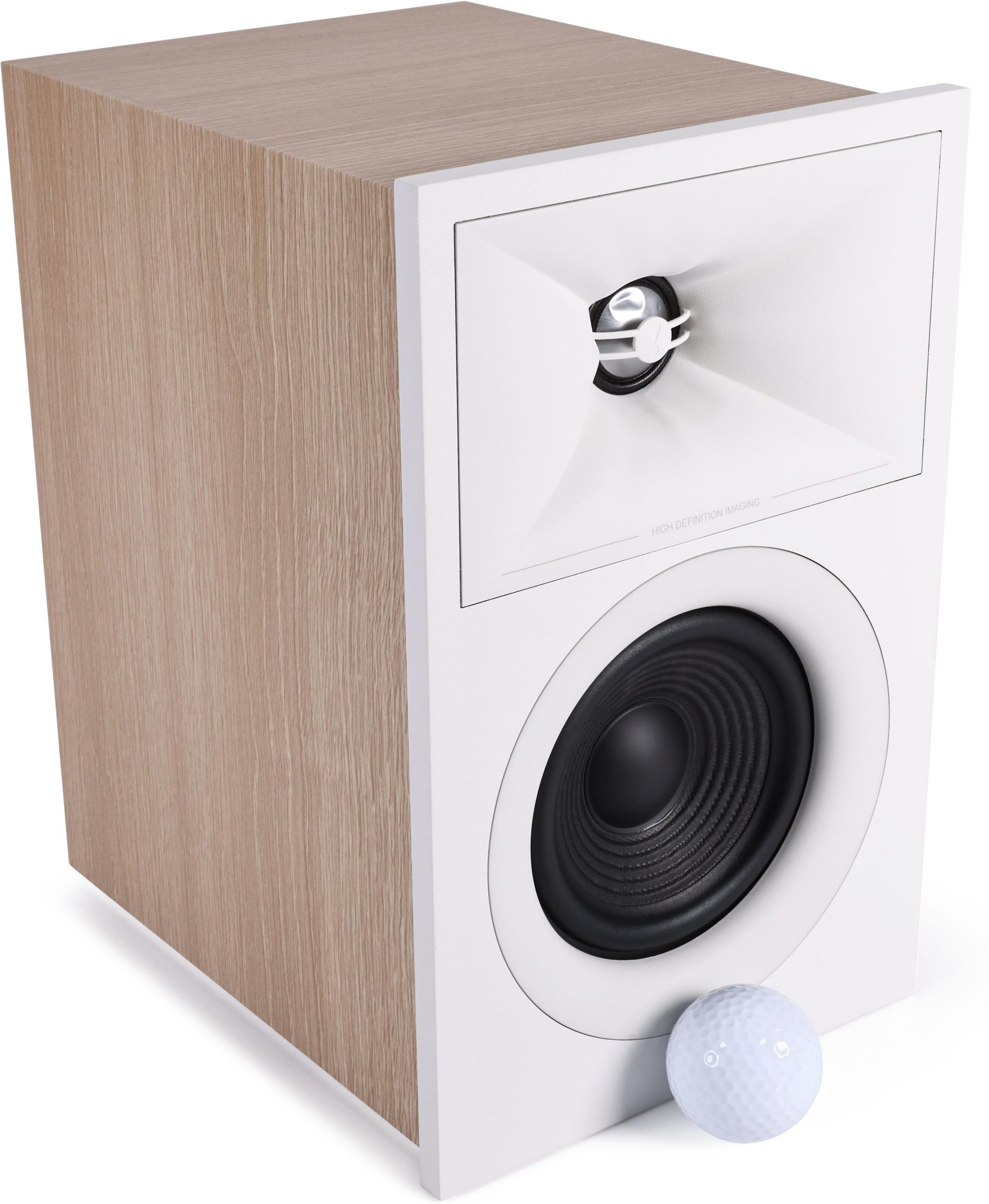
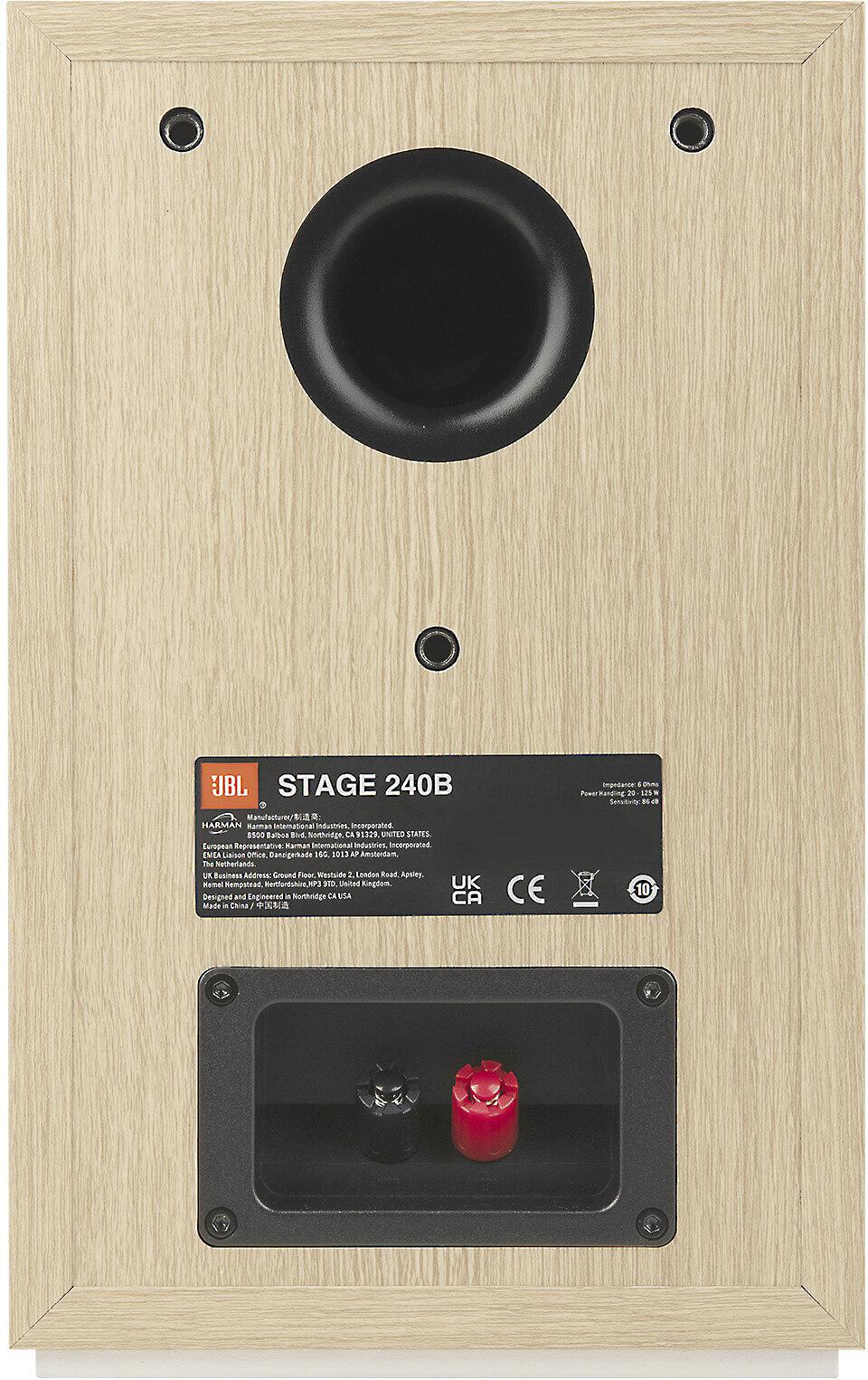
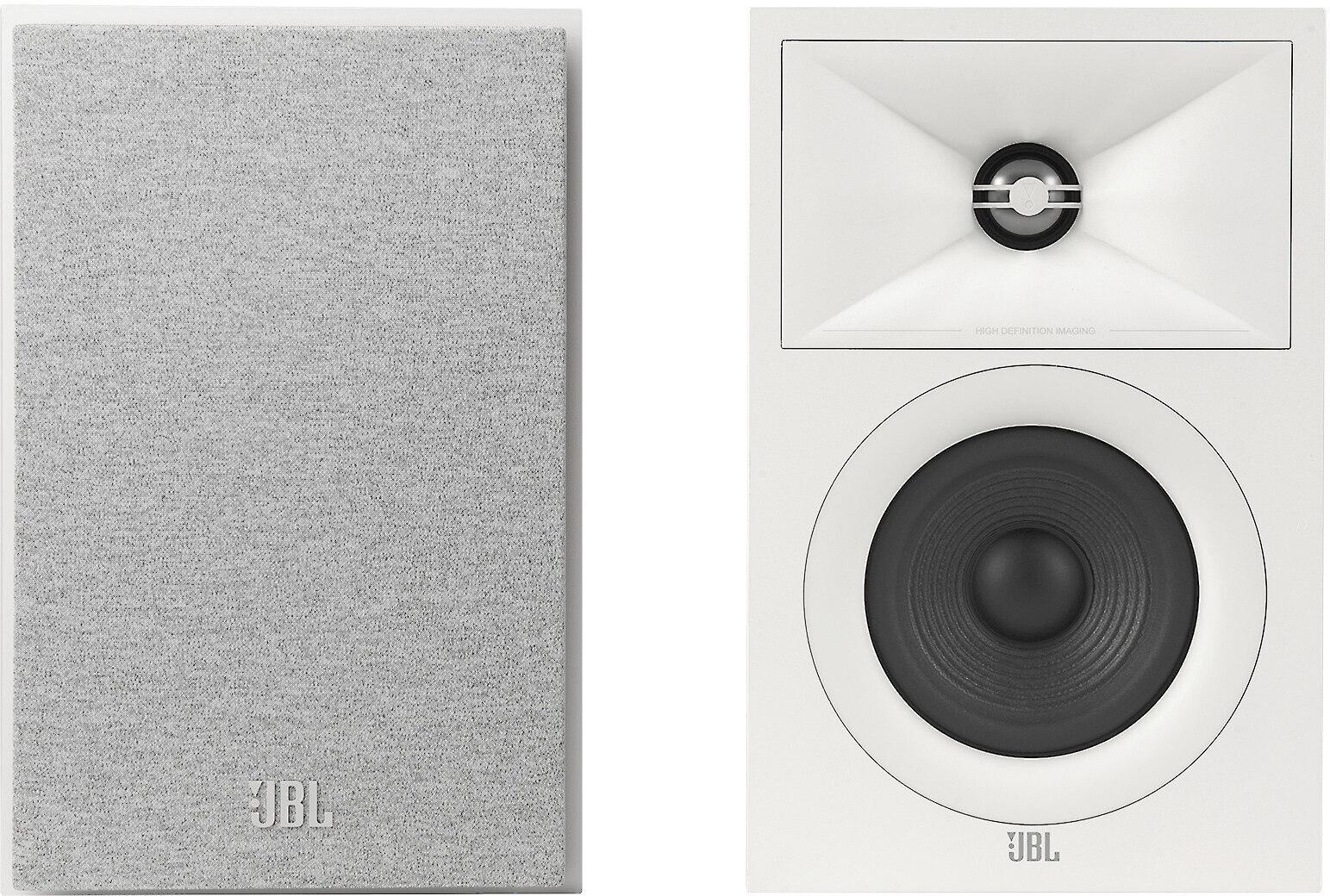
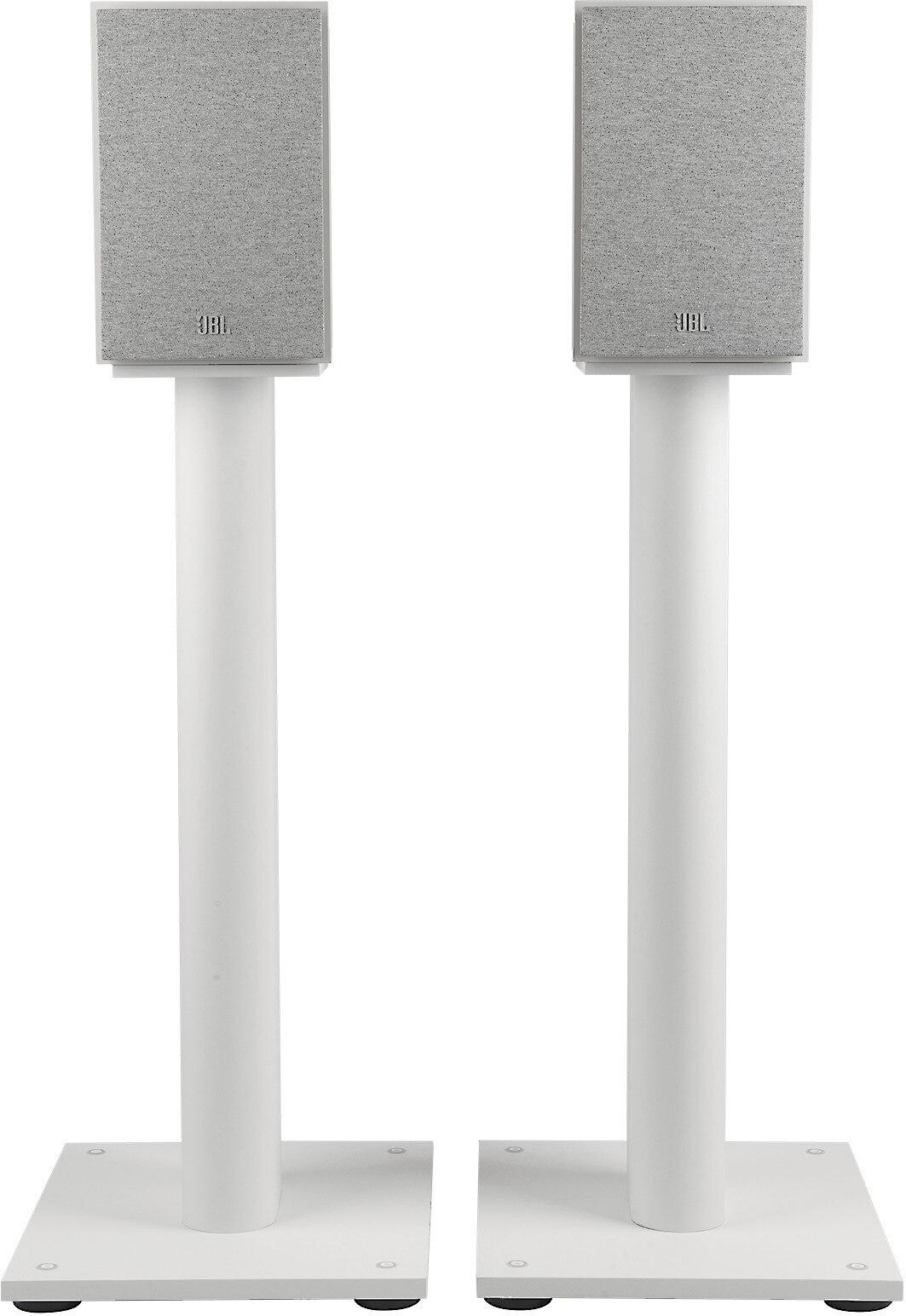
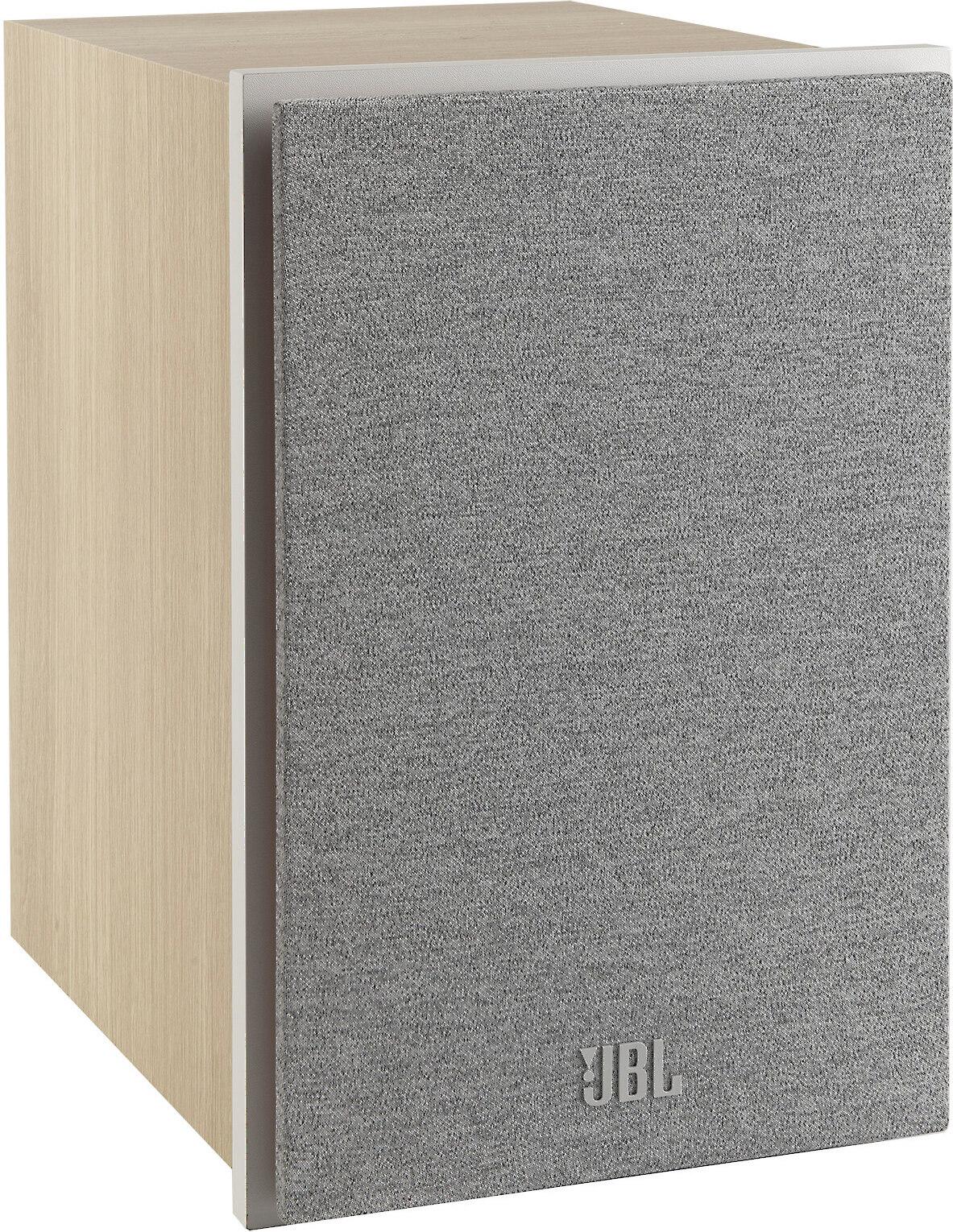
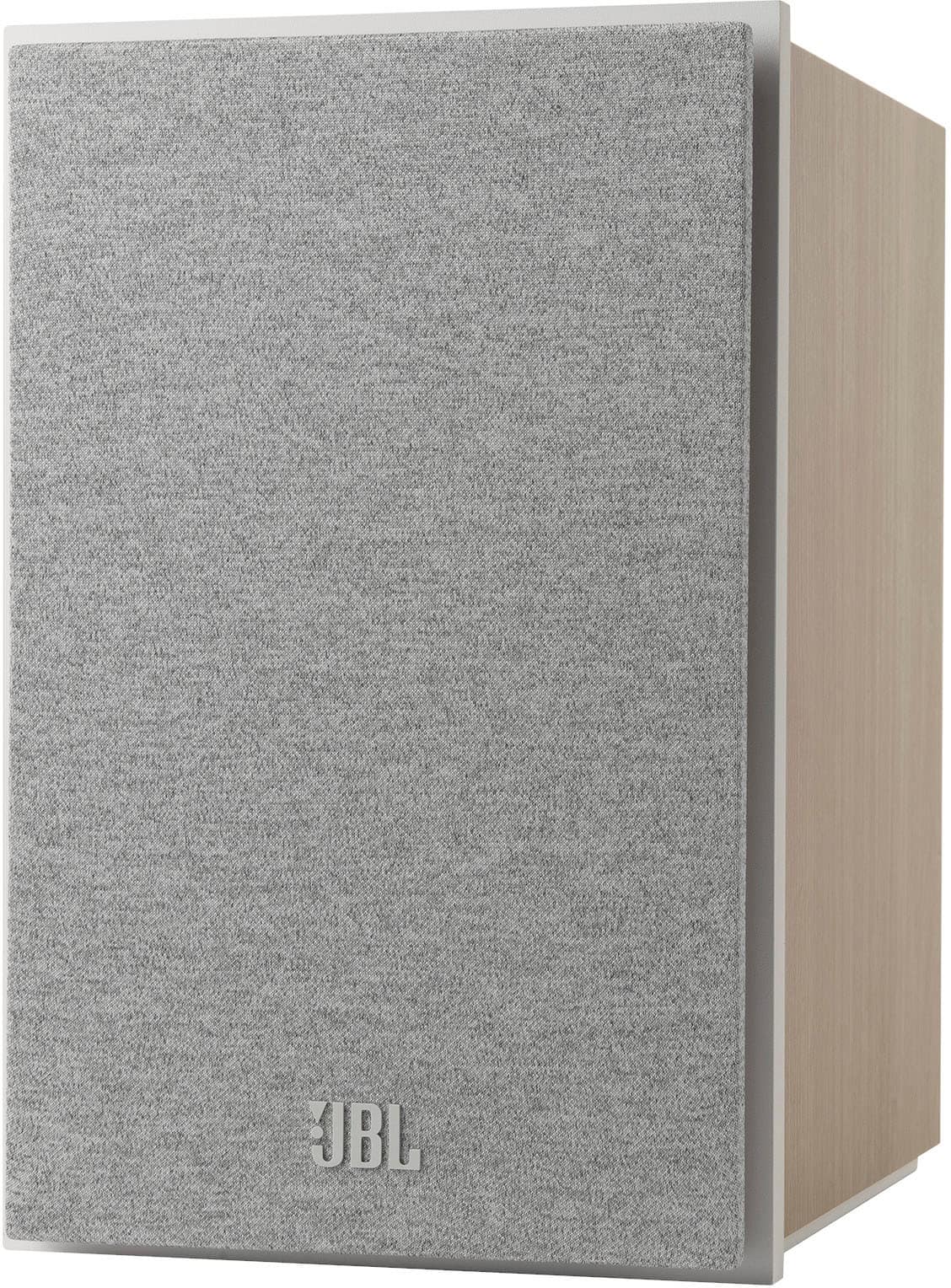
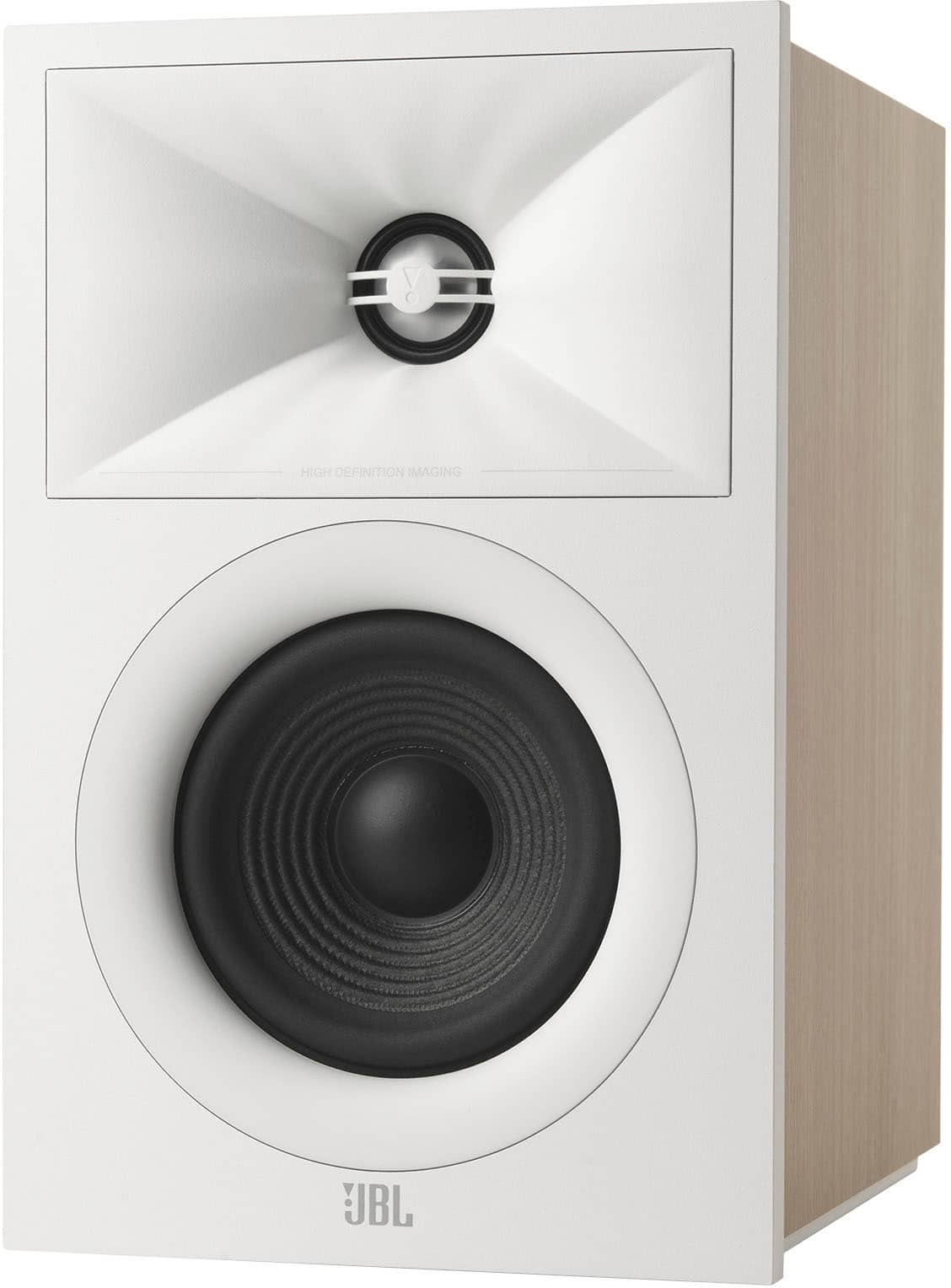
When it comes to building a great audio system, bookshelf speakers often provide the perfect balance of performance and practicality. Today, we're comparing two very different options: the high-end SVS Ultra Evolution Bookshelf Speakers ($1,199) and the budget-friendly JBL Stage 2 240B ($239). Let's dive into what makes each unique and who they're best for.
Bookshelf speakers are compact but capable audio performers that, despite their name, usually work best on dedicated stands. They're versatile enough for both music and home theater use, making them popular choices for many listeners.
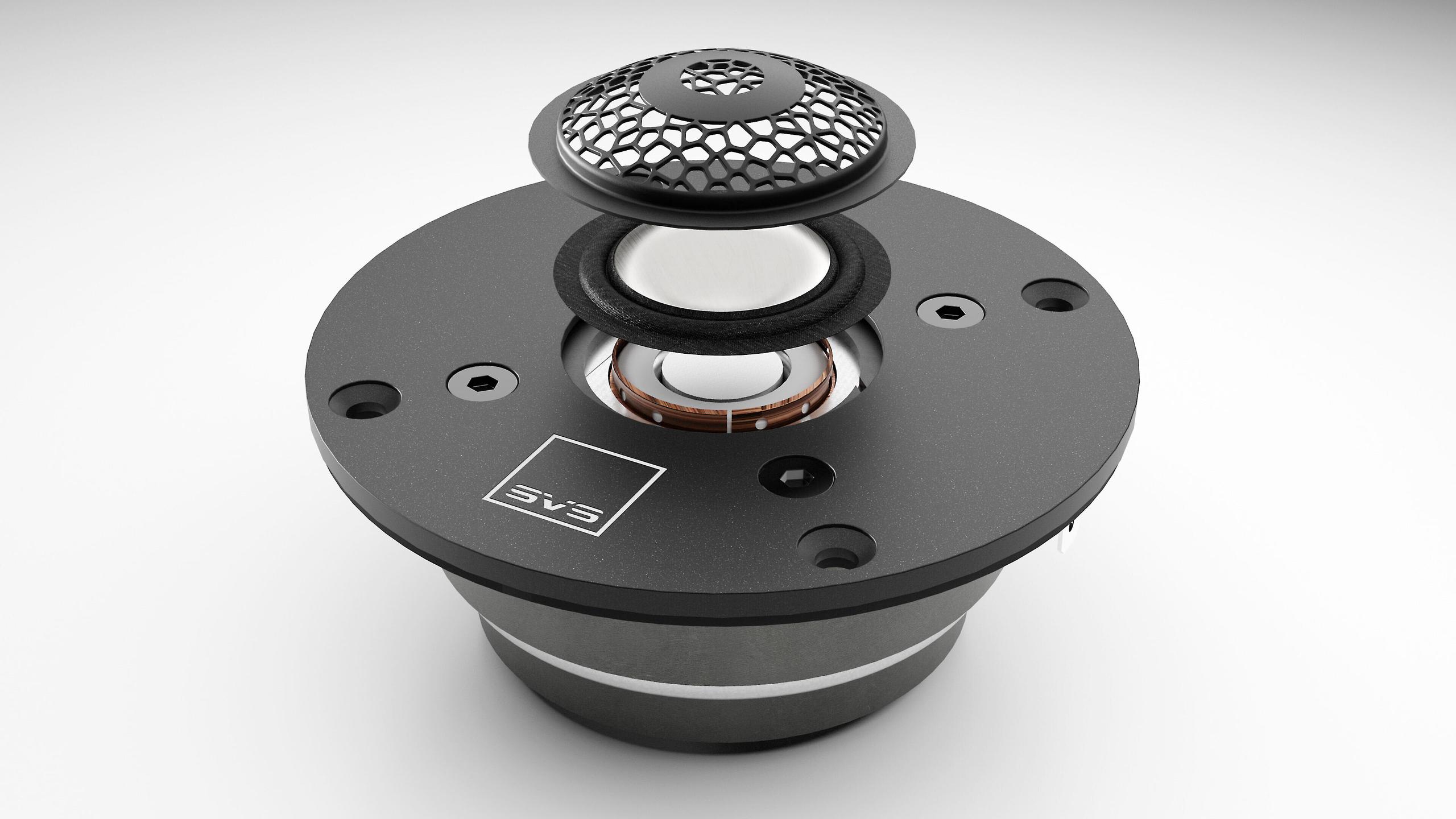
The technology in bookshelf speakers has evolved significantly in recent years. The SVS Ultra Evolution speakers, released in early 2024, showcase this progress with their diamond-coated tweeters (the small speaker that handles high frequencies) - a technology that was once found only in speakers costing many times more. Meanwhile, the JBL Stage 2 240B represents a modern take on traditional speaker design, offering proven technologies at an accessible price point.
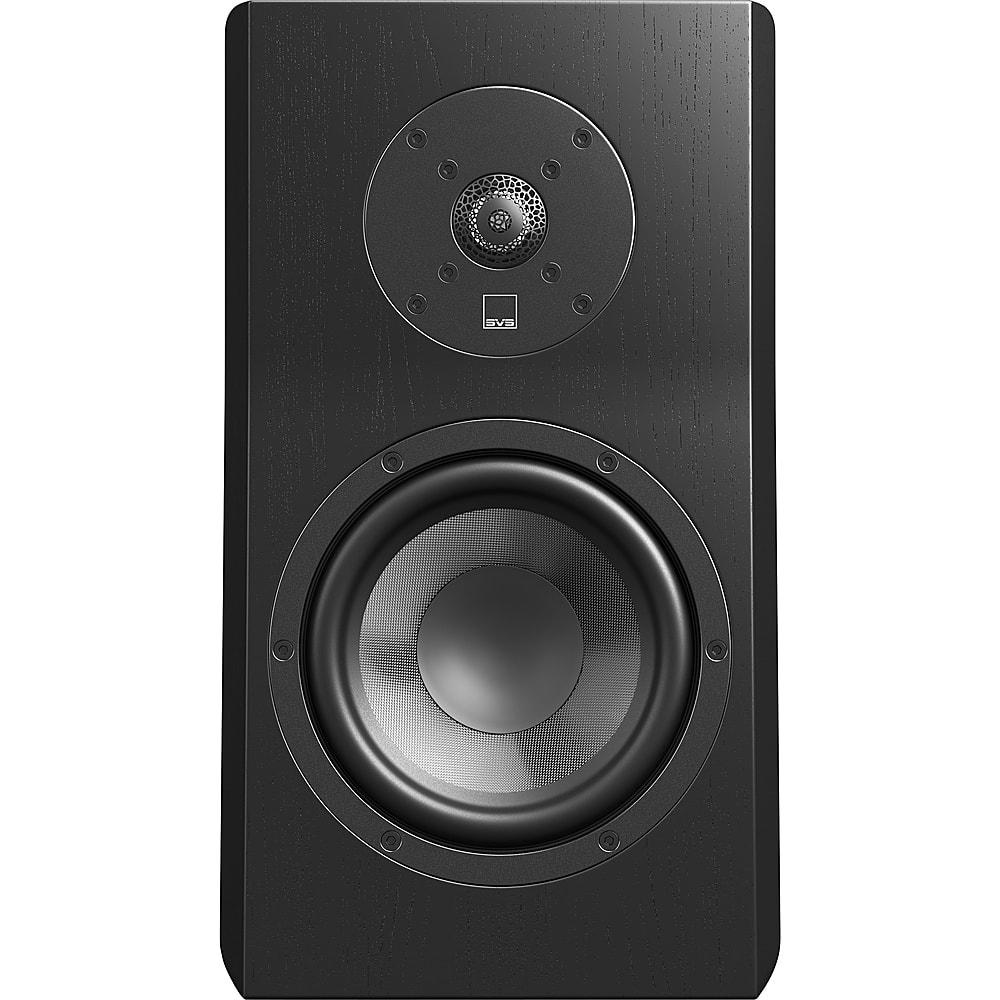
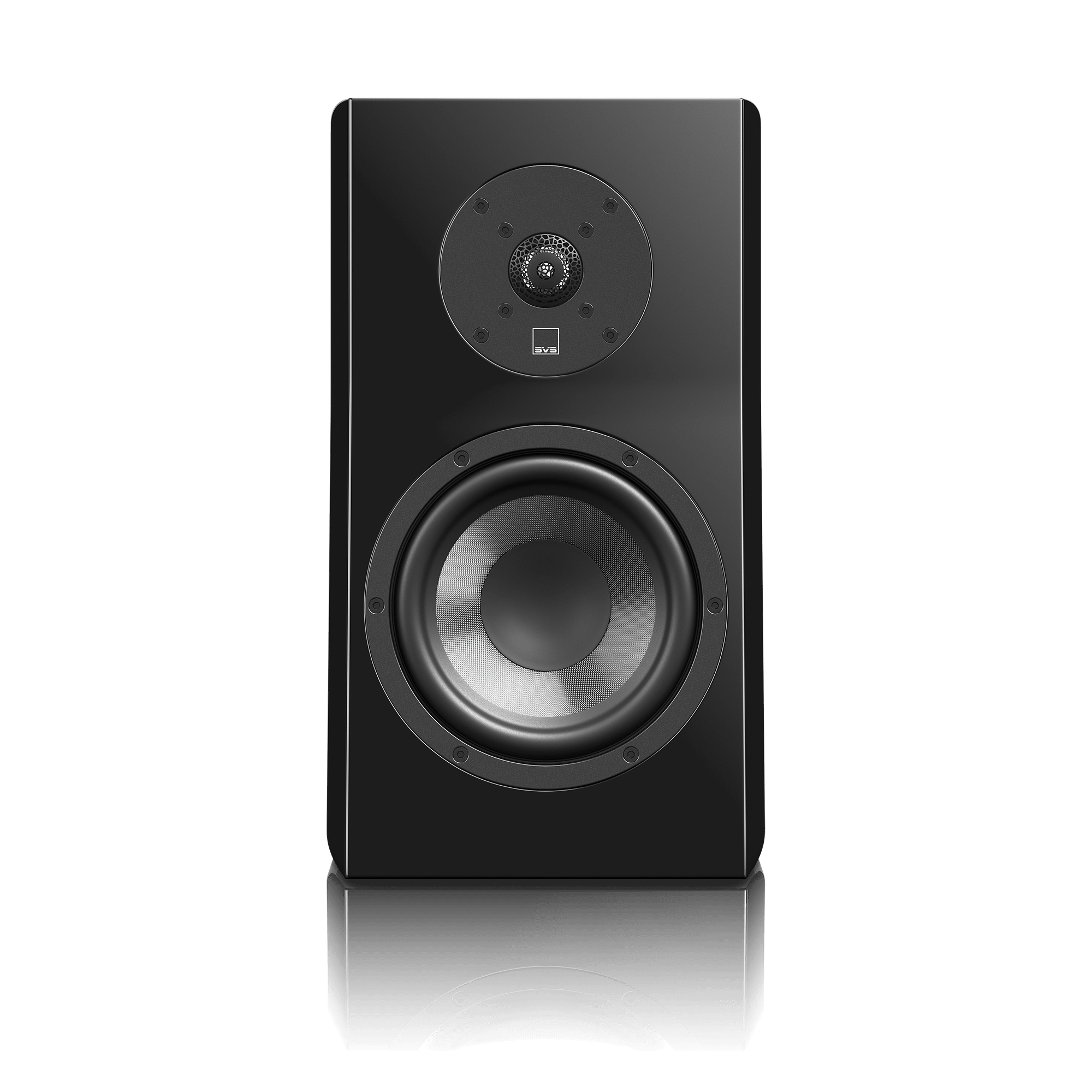
The SVS Ultra Evolution's diamond-coated tweeter is a game-changer at this price point. Diamond coating makes the tweeter incredibly rigid, which helps it produce cleaner, more detailed high frequencies without harshness. Think of it like upgrading from a paper cup to a crystal glass - everything sounds clearer and more refined.
The JBL's aluminum tweeter is more traditional but still capable. While it won't match the SVS's remarkable detail, it produces clean, enjoyable highs that will satisfy most listeners, especially those new to high-end audio.
This is where the size difference really matters. The SVS's larger 6.5-inch woofer handles the crucial midrange frequencies (where most instruments and voices live) with more authority and natural weight. The JBL's 4.5-inch woofer is competent but can't move as much air, resulting in slightly thinner sound on complex music.
Neither speaker will replace a subwoofer, but the SVS comes closer to full-range sound. Its larger woofer and more sophisticated cabinet design provide noticeably better bass extension. The JBL's smaller woofer means you'll definitely want a subwoofer for home theater use or bass-heavy music.
The SVS Ultra Evolution excels with all types of music. Its advanced tweeter and larger woofer create an impressive "soundstage" - the three-dimensional space where instruments and voices appear to exist in the room. Classical music sounds particularly magnificent, with each instrument clearly placed and naturally rendered.
The JBL Stage 2 240B performs admirably for its price, especially with simpler music. While it won't reveal every subtle detail in complex recordings, it provides an enjoyable, balanced sound that works well for casual listening.
For home theater, both speakers can work well, but with different expectations:
The SVS Ultra Evolution integrates seamlessly into high-end home theater systems. Its precise imaging helps create convincing sound effects placement, and its higher power handling means it can play louder without strain. When matched with similar quality center and surround speakers, it creates a truly immersive experience.
The JBL Stage 2 makes an excellent starting point for a home theater system, especially in smaller rooms. It works particularly well as a surround speaker, where its compact size is an advantage. When paired with a good subwoofer, it can be part of a very capable system.
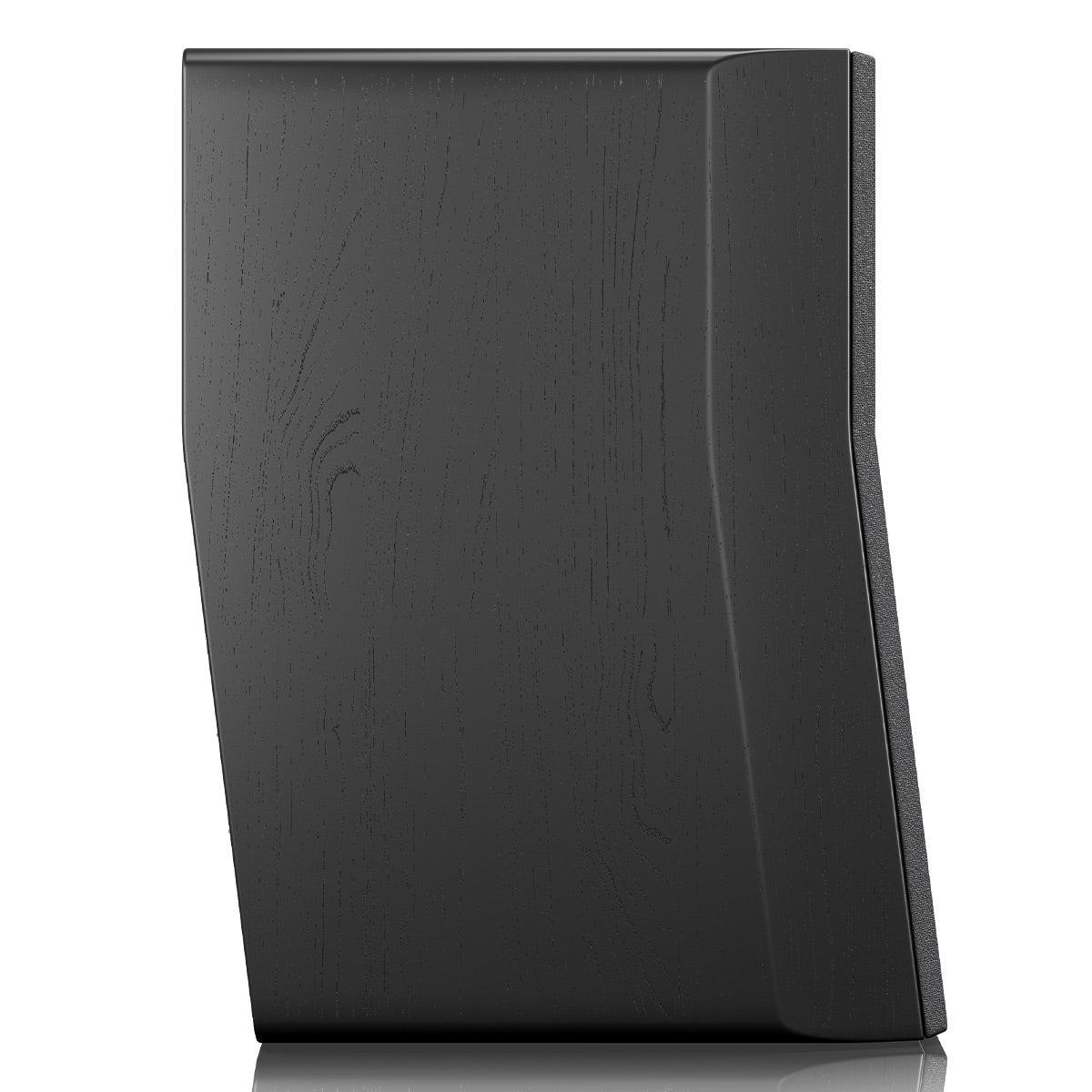
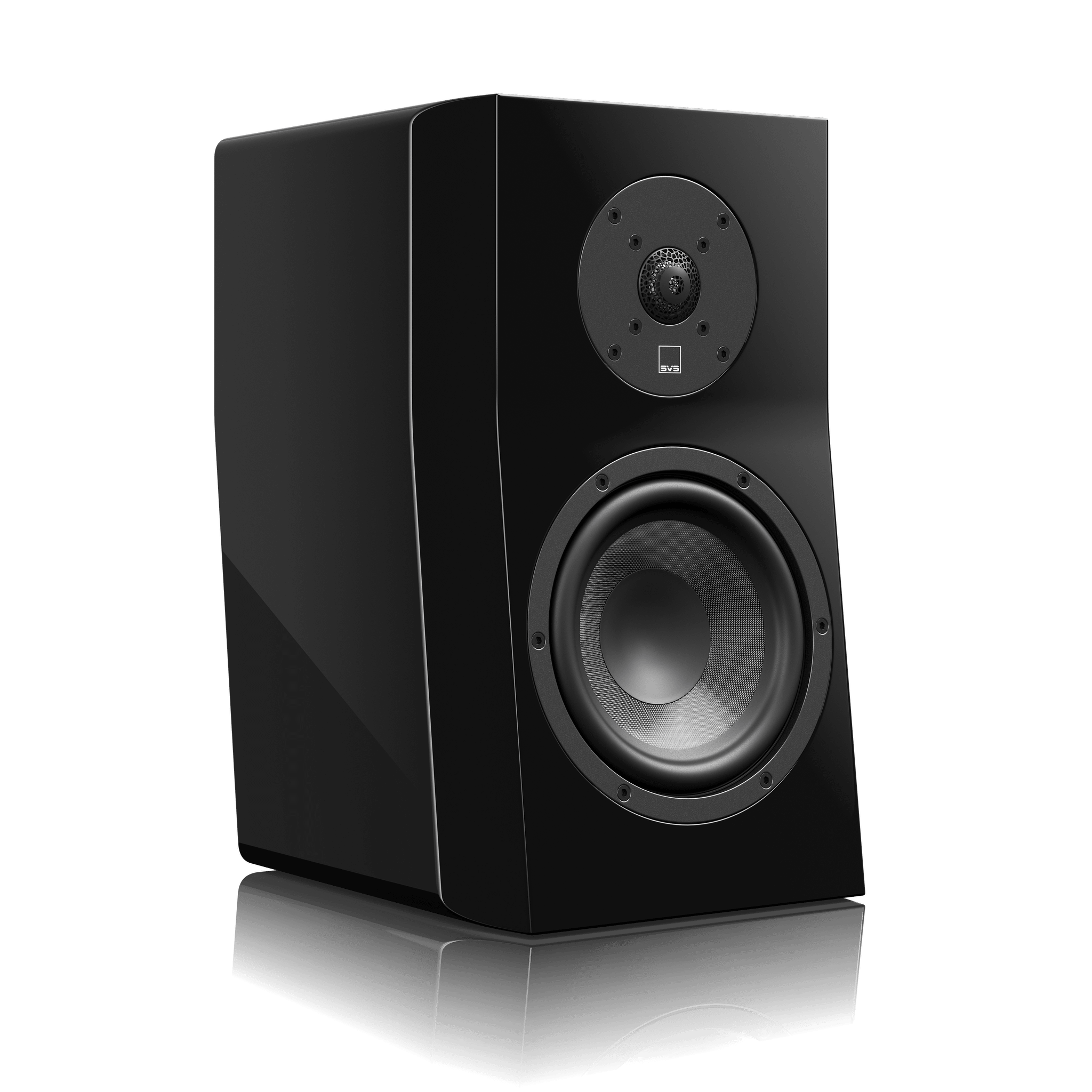
The SVS Ultra Evolution showcases premium construction, with a heavily braced cabinet to prevent unwanted vibrations and high-end binding posts for speaker wire connection. The curved cabinet isn't just for looks - it helps reduce internal sound reflections that can color the sound.
The JBL offers solid build quality for its price point. While it uses more basic materials, it's well-constructed and should last for many years with proper care. The simpler cabinet design is functional and unobtrusive.
While the price difference between these speakers is substantial, it's important to consider long-term value:
The SVS Ultra Evolution represents a significant investment but could be considered "endgame" speakers for many listeners. They're detailed enough to showcase improvements in other system components (like amplifiers or source components) and sophisticated enough to remain satisfying as your audio journey progresses.
The JBL Stage 2 offers remarkable value for beginners. They're good enough to help you understand what you value in audio reproduction while leaving room in the budget for other system components. They could serve as excellent surrounds if you later upgrade your main speakers.
The SVS speakers benefit from quality amplification but aren't especially difficult to drive. A good mid-range receiver or amplifier (100+ watts per channel) will let them perform well. The JBLs are less demanding and will work fine with most modern receivers.
The SVS Ultra Evolution works best in medium to large rooms (200+ square feet) with some space between the speakers and walls. Their sophisticated design helps them sound good in less-than-perfect placements, but they reward careful setup.
The JBL Stage 2 is ideal for smaller rooms and more flexible with placement. Their rear port design means they still need some space behind them for proper bass response, but they're generally more forgiving of real-world conditions.
Consider these key factors when choosing between the SVS Ultra Evolution and JBL Stage 2 240B:
Remember, both speakers represent good value in their respective price categories. The SVS pushes the boundaries of what's possible in a bookshelf speaker under $1,500, while the JBL shows how good modern budget speakers can be. Choose based on your specific needs and circumstances rather than just the price difference.
| SVS Ultra Evolution Bookshelf ($1,199) | JBL Stage 2 240B ($239) |
|---|---|
| Tweeter Design - Determines clarity and detail in high frequencies | |
| Diamond-coated aluminum dome (exceptional detail) | Aluminum dome (good but basic) |
| Woofer Size - Affects bass response and overall fullness | |
| 6.5" composite fiber (fuller sound, better bass) | 4.5" polycellulose (limited bass extension) |
| Power Handling - Impacts maximum volume and dynamic range | |
| 20-300W (excellent headroom for dynamics) | 20-125W (suitable for modest systems) |
| Sensitivity - Determines how easily speakers play loud with given power | |
| 88dB (relatively efficient) | 85dB (needs more power for same volume) |
| Frequency Response - Shows bass extension and overall range | |
| 24Hz-40kHz (impressive bass for bookshelf) | 53Hz-25kHz (typical for size) |
| Cabinet Design - Affects sound quality and resonance | |
| Time-aligned curved cabinet (superior imaging) | Basic rectangular (functional) |
| Binding Posts - Important for connection quality and flexibility | |
| Gold-plated bi-wire capable (premium) | Single 5-way (standard quality) |
| Size (HxWxD) - Consider your space limitations | |
| 49.6" x 11.8" x 18.1" (substantial) | 10.7" x 6.9" x 8.5" (compact) |
| Weight - Indicates build quality and materials | |
| 20 lbs each (premium materials) | 10.1 lbs each (standard construction) |

Privacy Policy
Terms and Conditions - Affiliate Policy
Home Security
© Copyright 2008-2026.
11816 Inwood Rd #1211, Dallas, TX 75244