

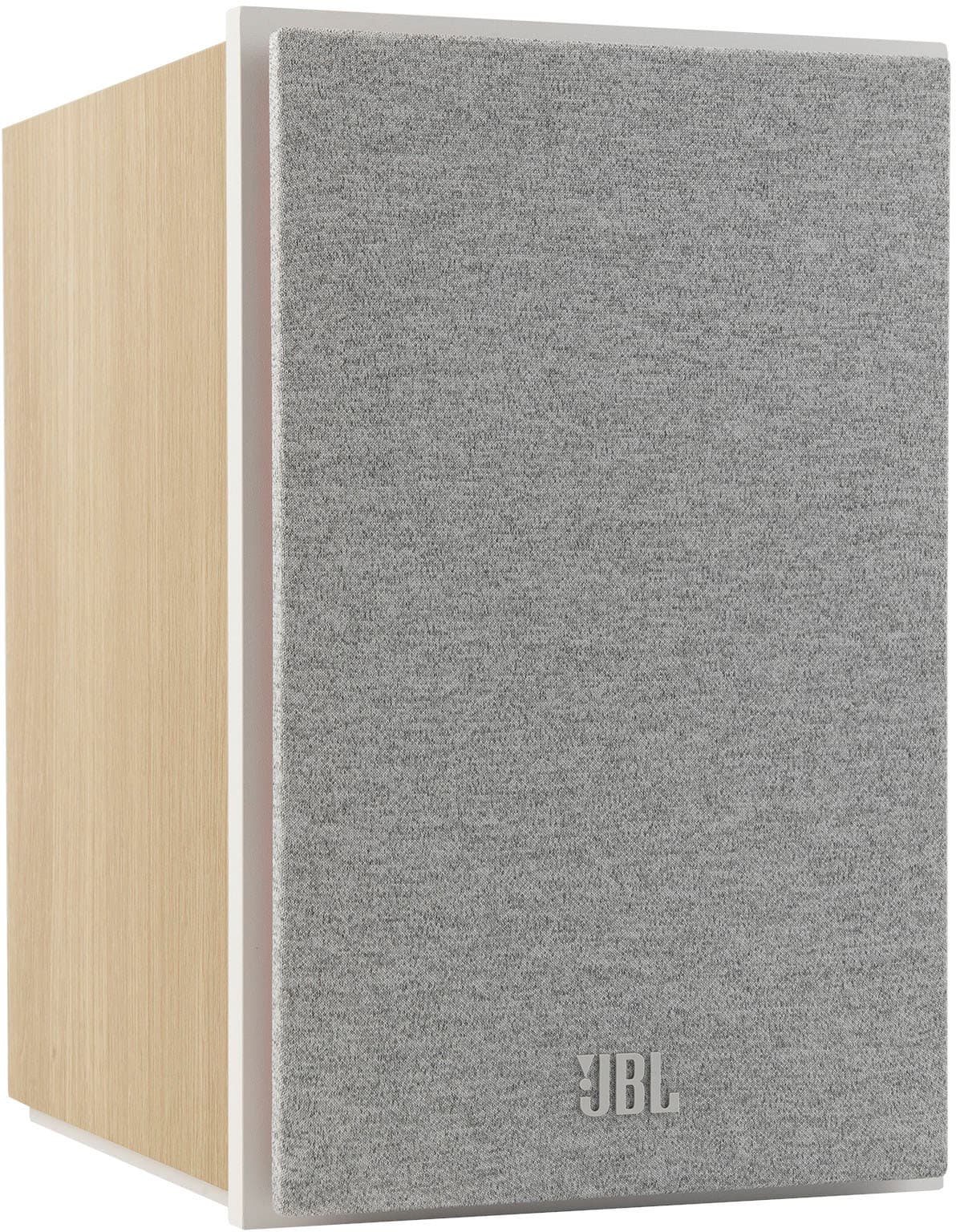
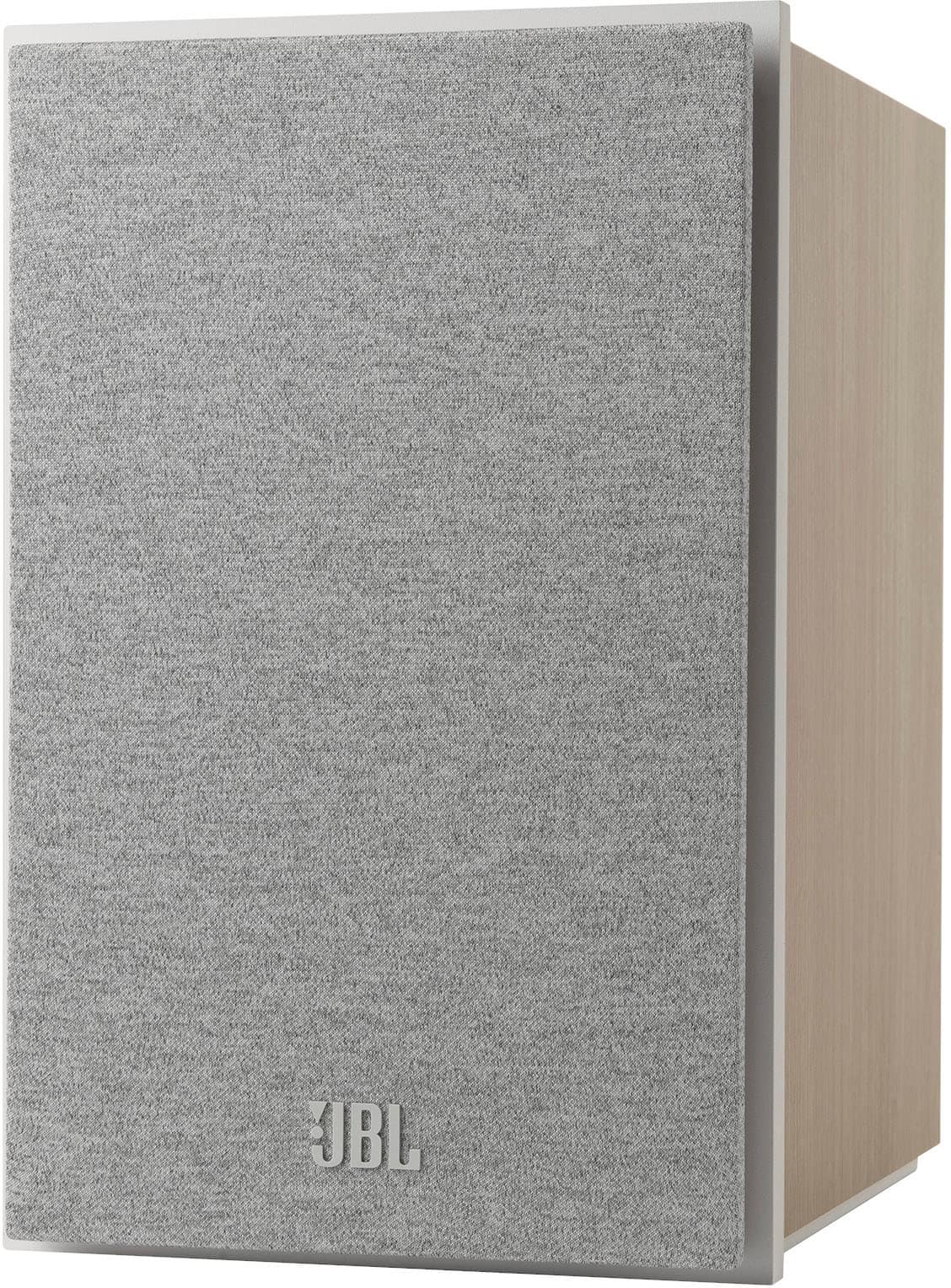
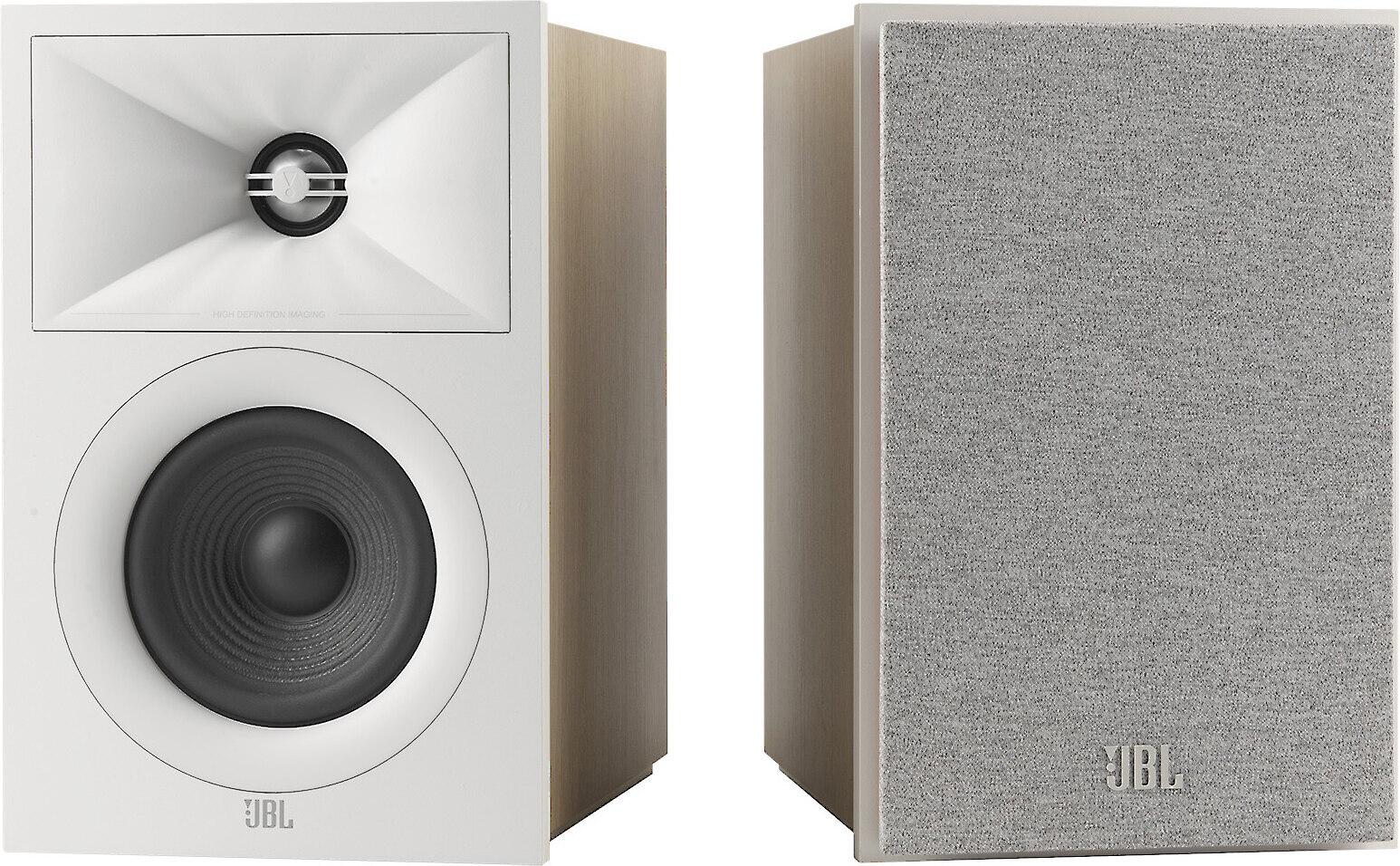
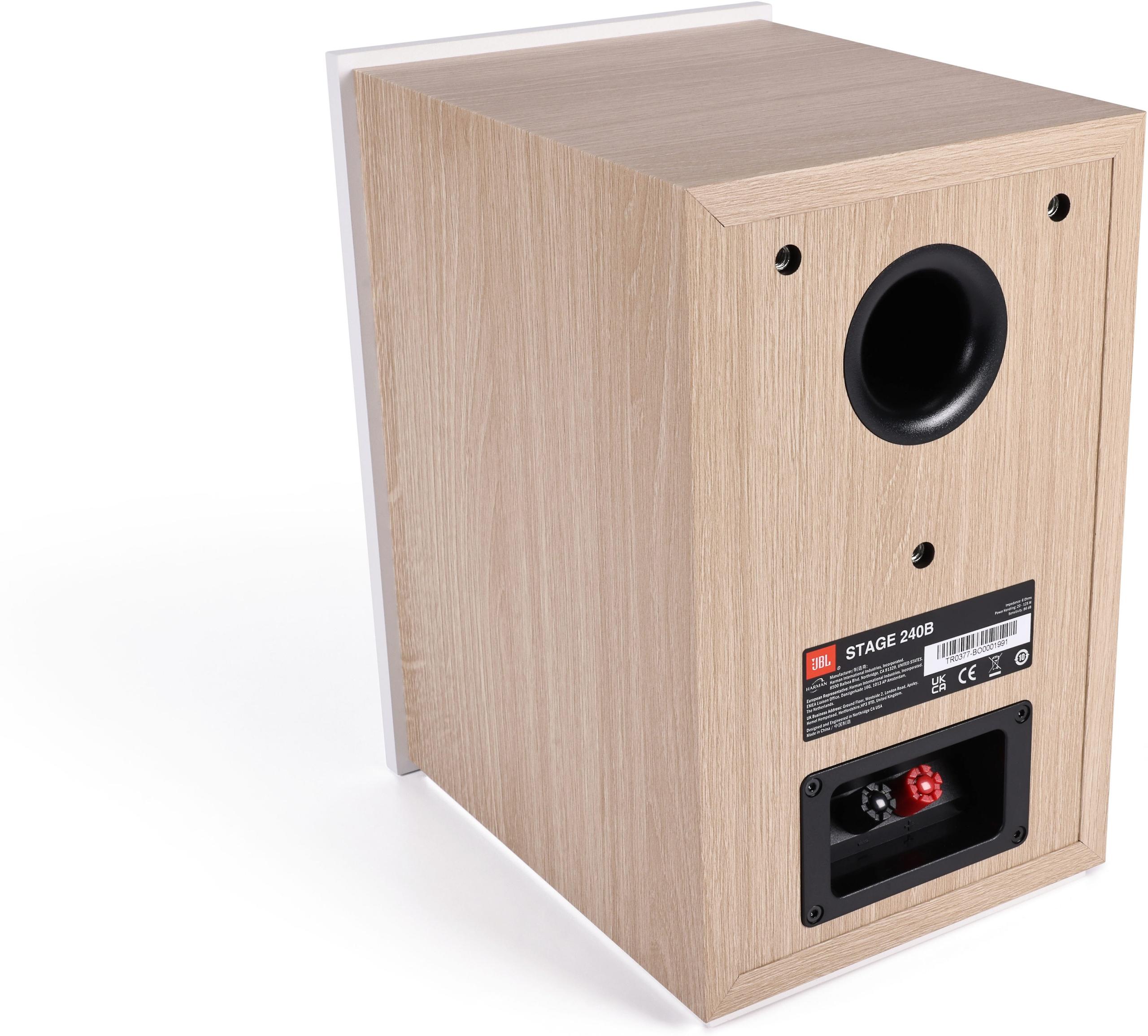
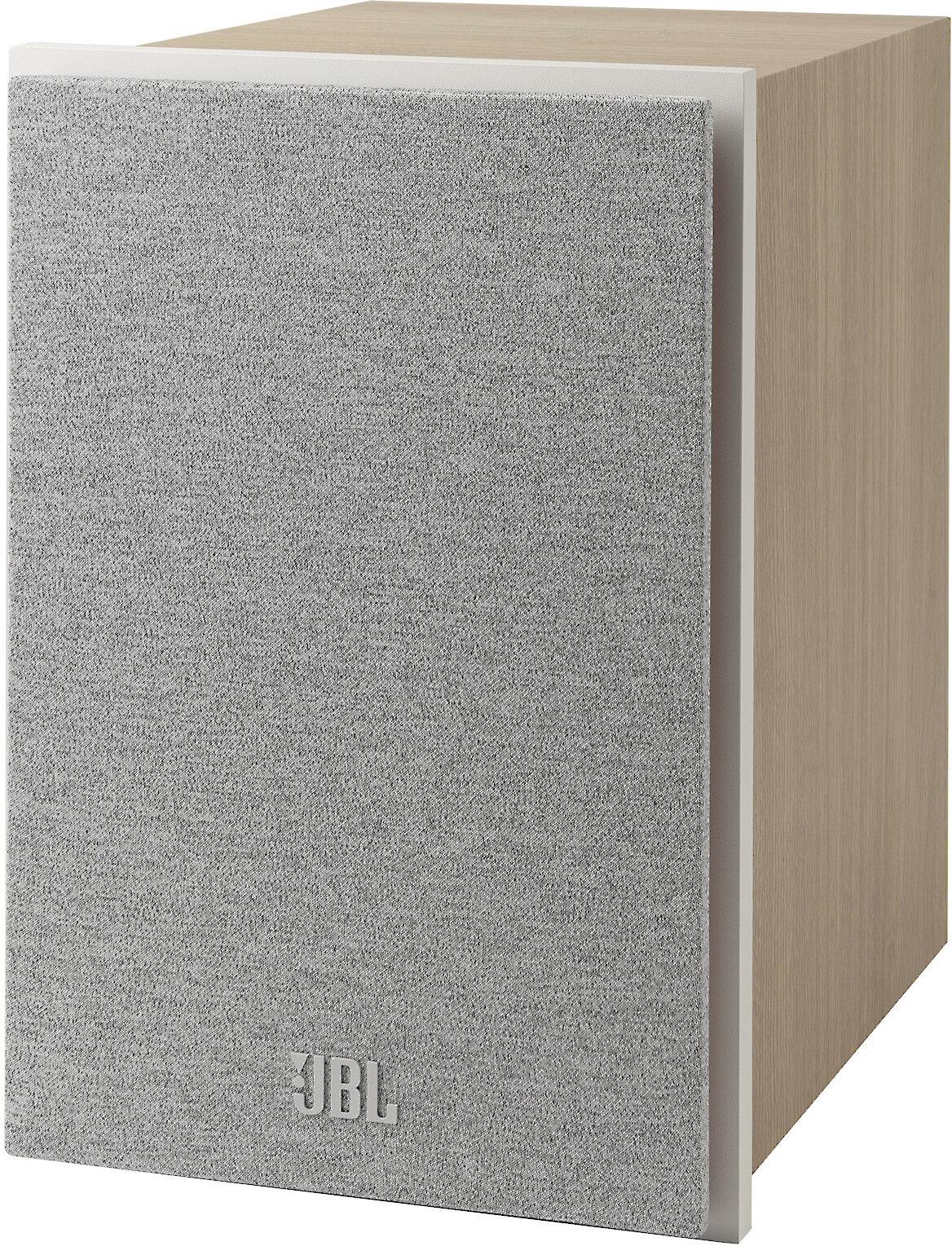
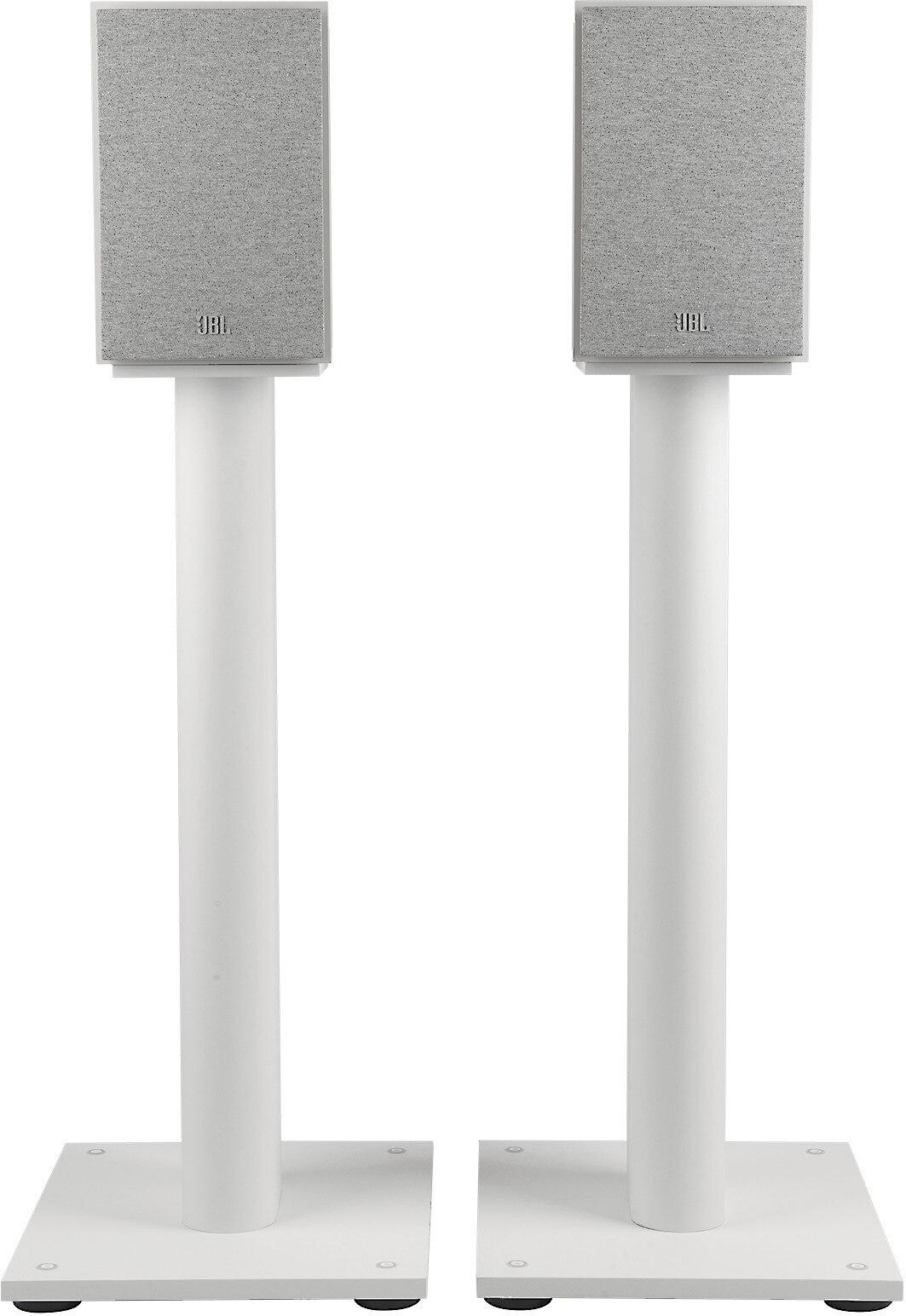
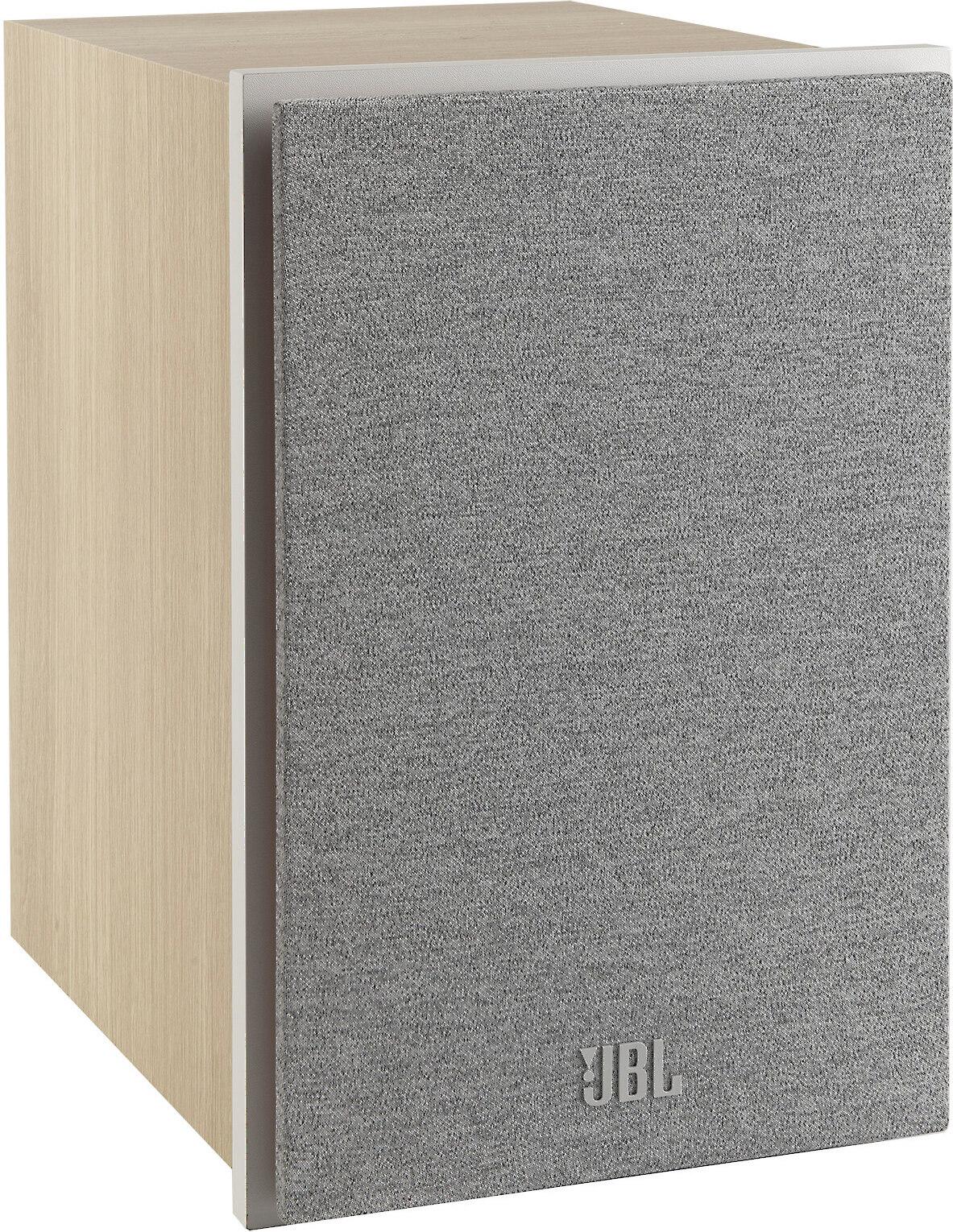
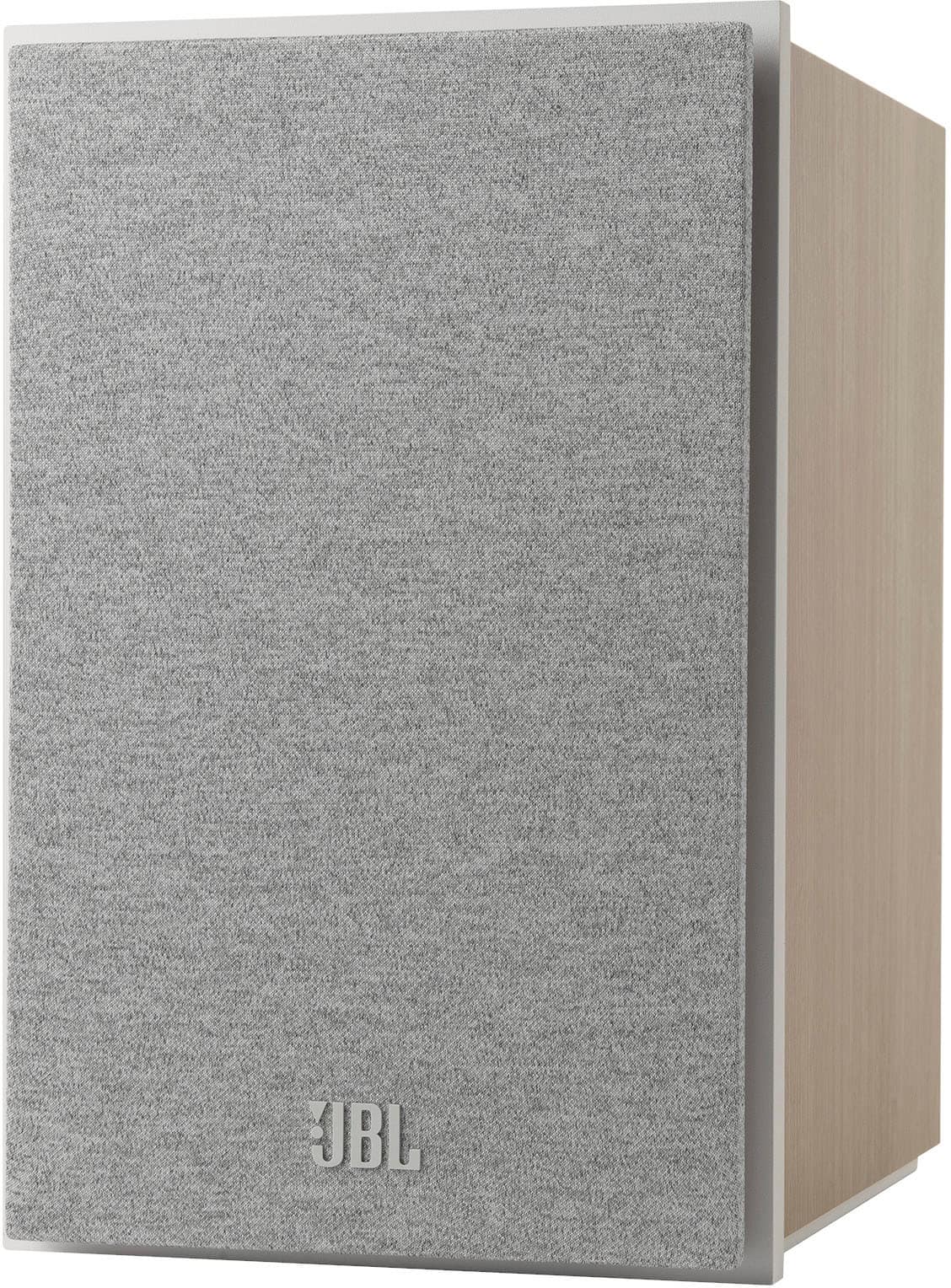
Looking for quality bookshelf speakers can be overwhelming. Let's compare two popular options: the JBL Stage 2 240B ($240) and Klipsch Reference R-51M ($200), breaking down what really matters for most listeners.
Bookshelf speakers remain a cornerstone of quality home audio, offering a sweet spot between performance and practicality. These compact performers can serve as your main stereo speakers, rear surrounds in a home theater, or desktop audio solution. Unlike soundbars or all-in-one systems, they offer true stereo separation and typically better sound quality for their price.
The JBL Stage 2 240B and Klipsch R-51M represent different approaches to bookshelf speaker design, each with their own strengths. Both were released in the last few years, incorporating modern driver materials and design techniques that weren't available in previous generations.
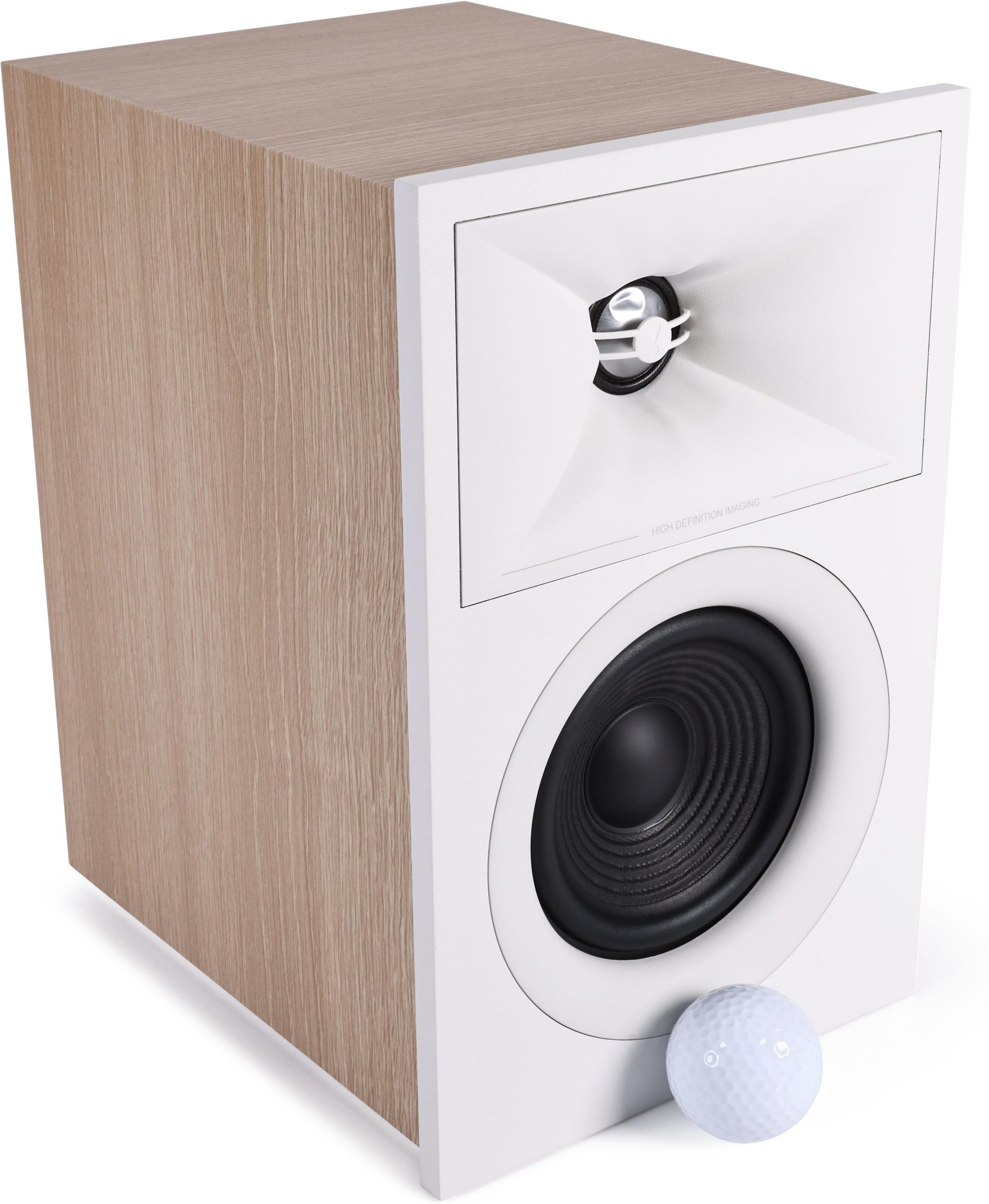
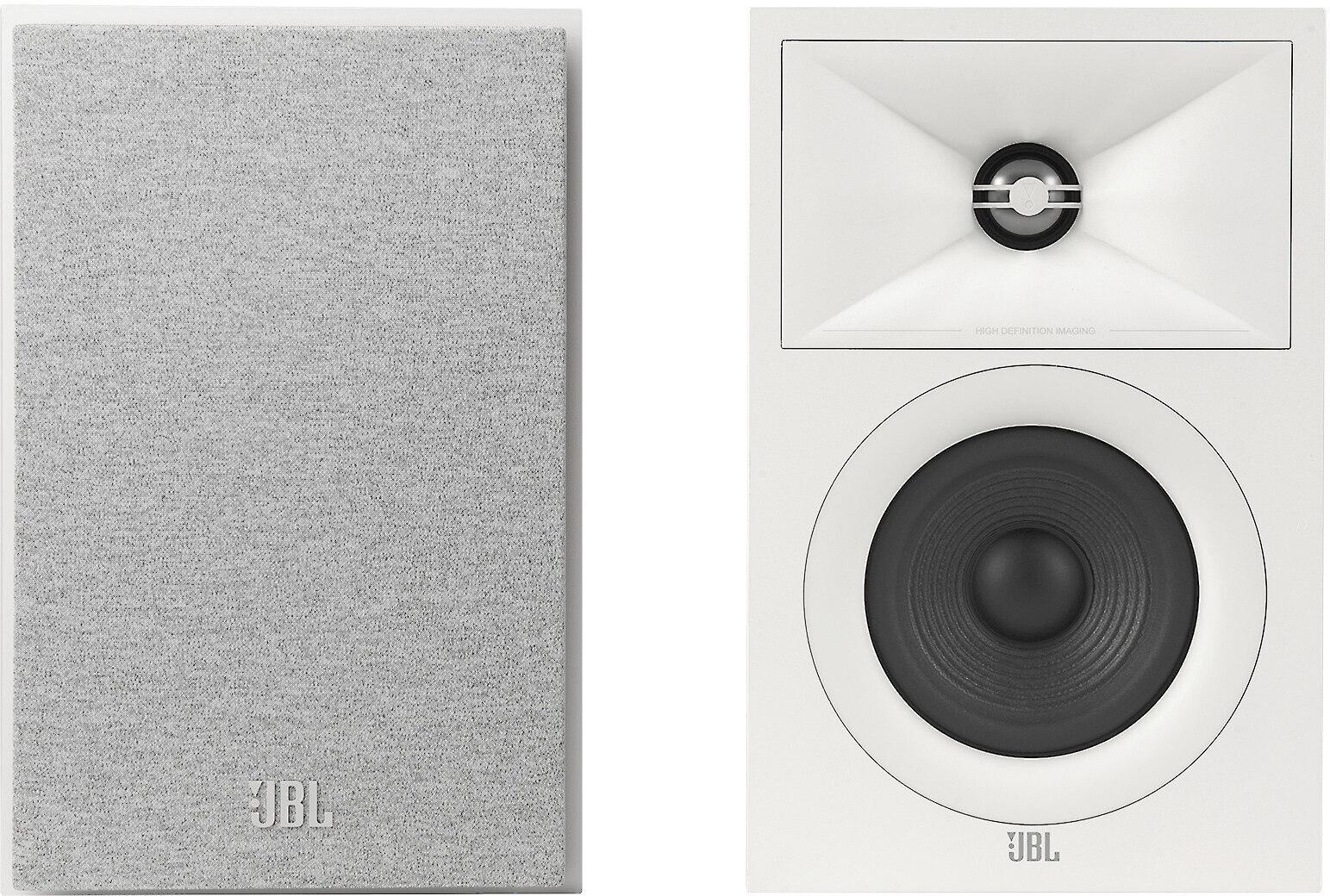
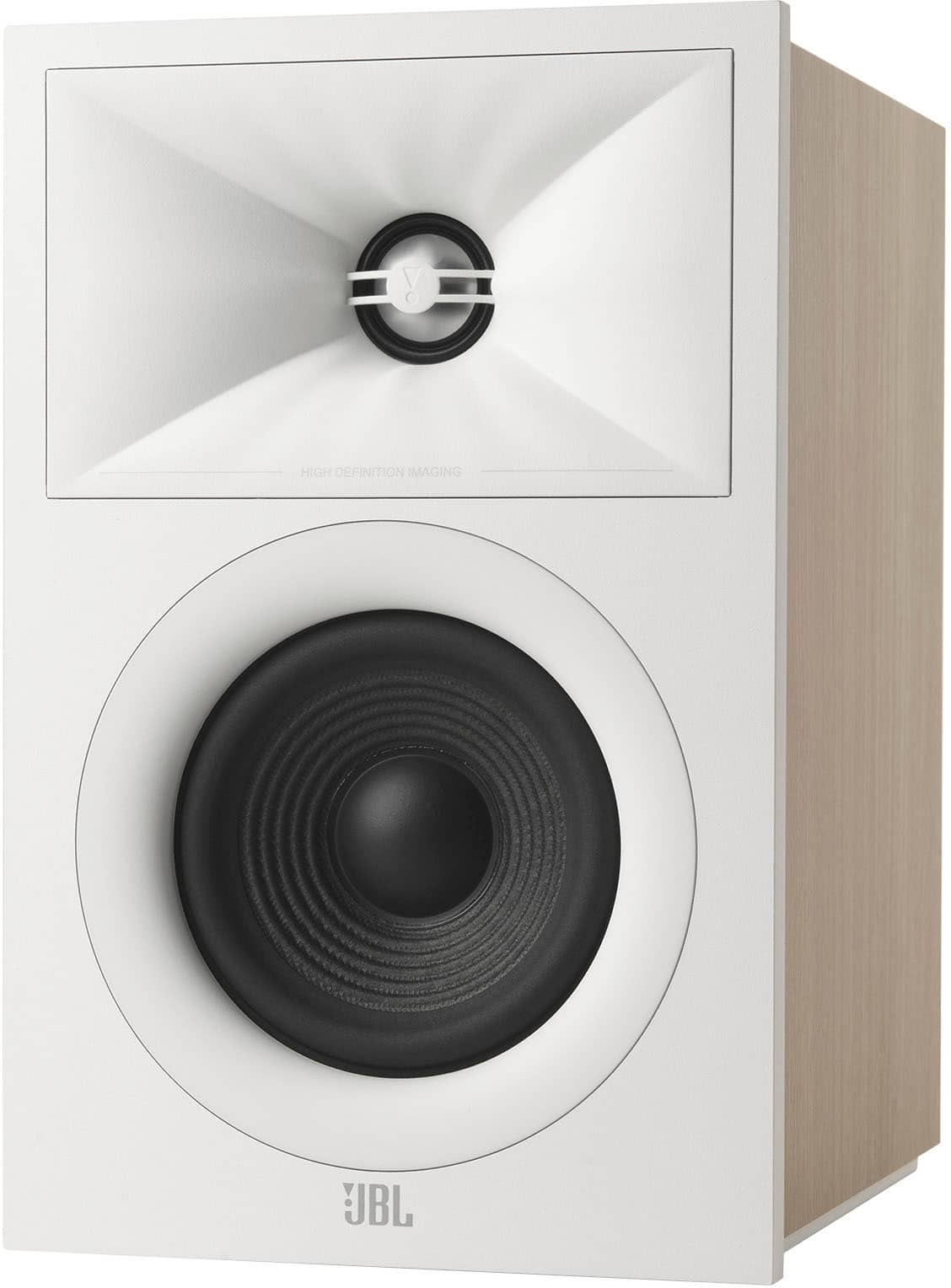
JBL's approach focuses on accuracy and even response. Their High-Definition Imaging (HDI) waveguide - think of it as a specially shaped horn around the tweeter - helps control how sound spreads into your room. This newer technology, which trickled down from their high-end speakers, creates a wider "sweet spot" where you can sit and still get great sound.
The 4.5-inch woofer might seem small, but its ribbed design helps prevent distortion when playing loud. This is particularly noticeable with movie dialogue, which stays clear even during action scenes.
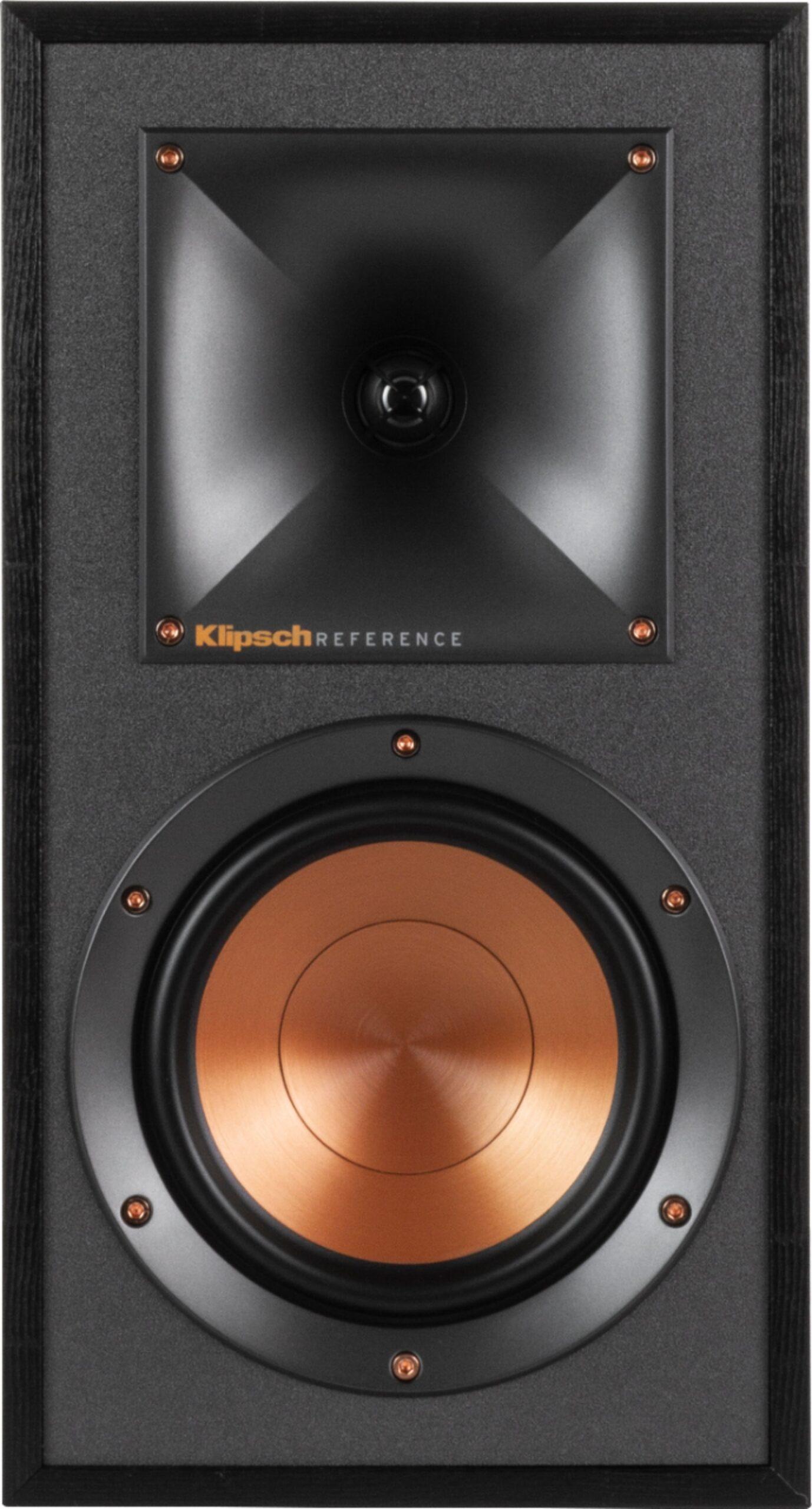
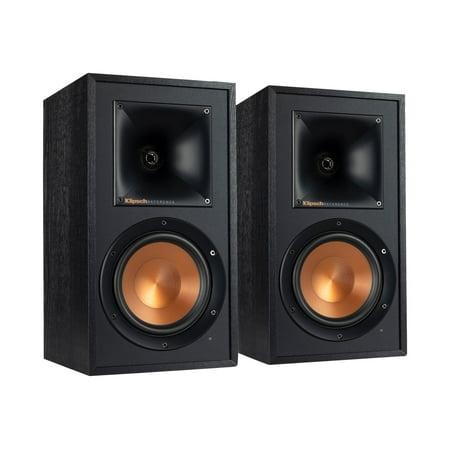
Klipsch takes a different path with their Tractrix horn technology, which has been refined over decades. The horn makes these speakers more efficient (they play louder with less power) and gives them their distinctive energetic sound. The copper-colored 5.25-inch woofer isn't just for looks - the larger size and IMG (Injection Molded Graphite) material helps produce more bass without needing a subwoofer.
Having spent time with both speakers, here's how they perform in typical situations:
Both speakers work well in home theater setups, but they have different strengths:
The JBL's precise imaging helps place sounds exactly where they should be in movie soundtracks. They're particularly good as surround speakers due to their controlled dispersion pattern.
The Klipsch speakers' higher sensitivity means they can play louder with less power, which is great for movie explosions and dramatic effects. They're especially good at projecting dialogue clearly.
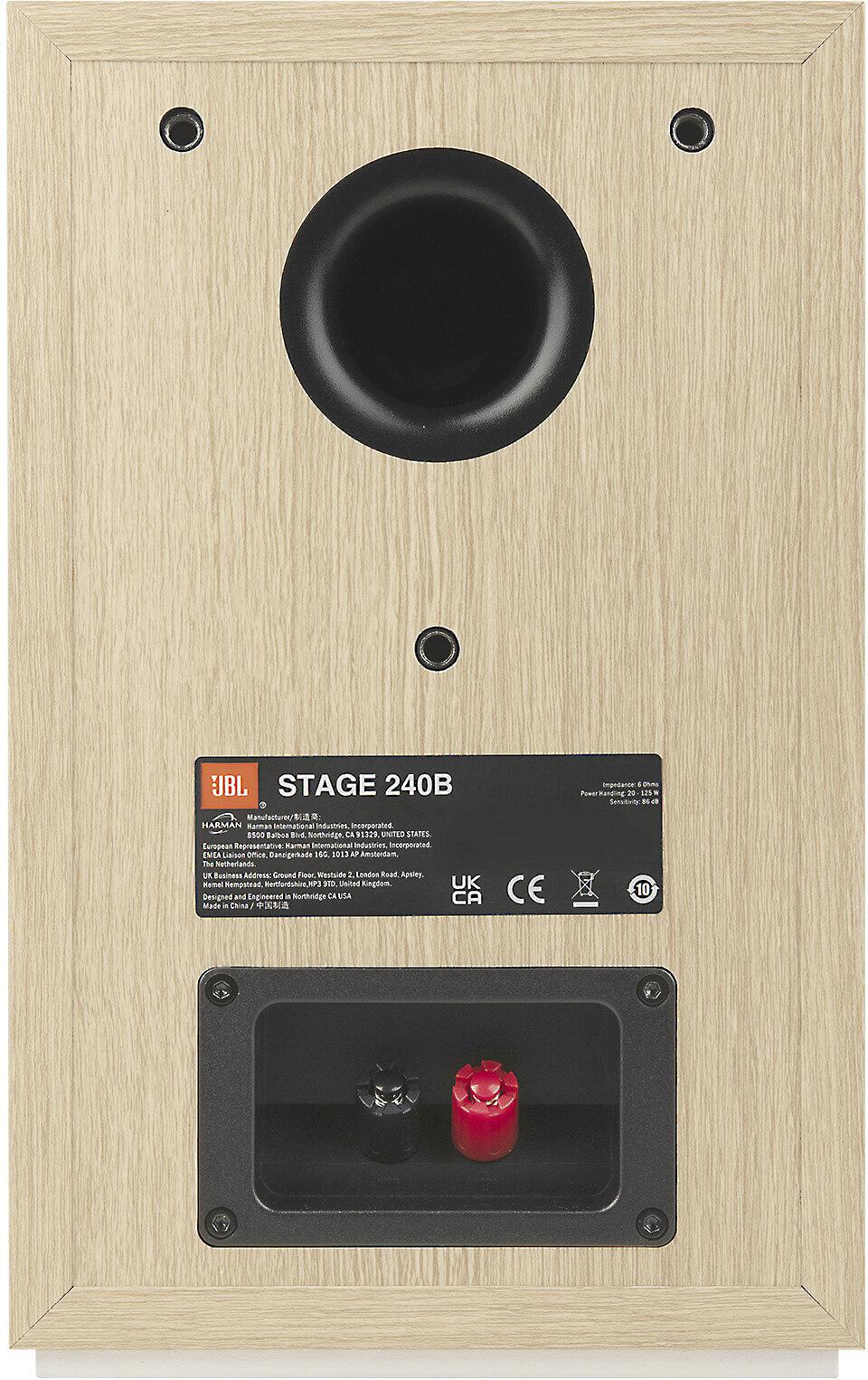
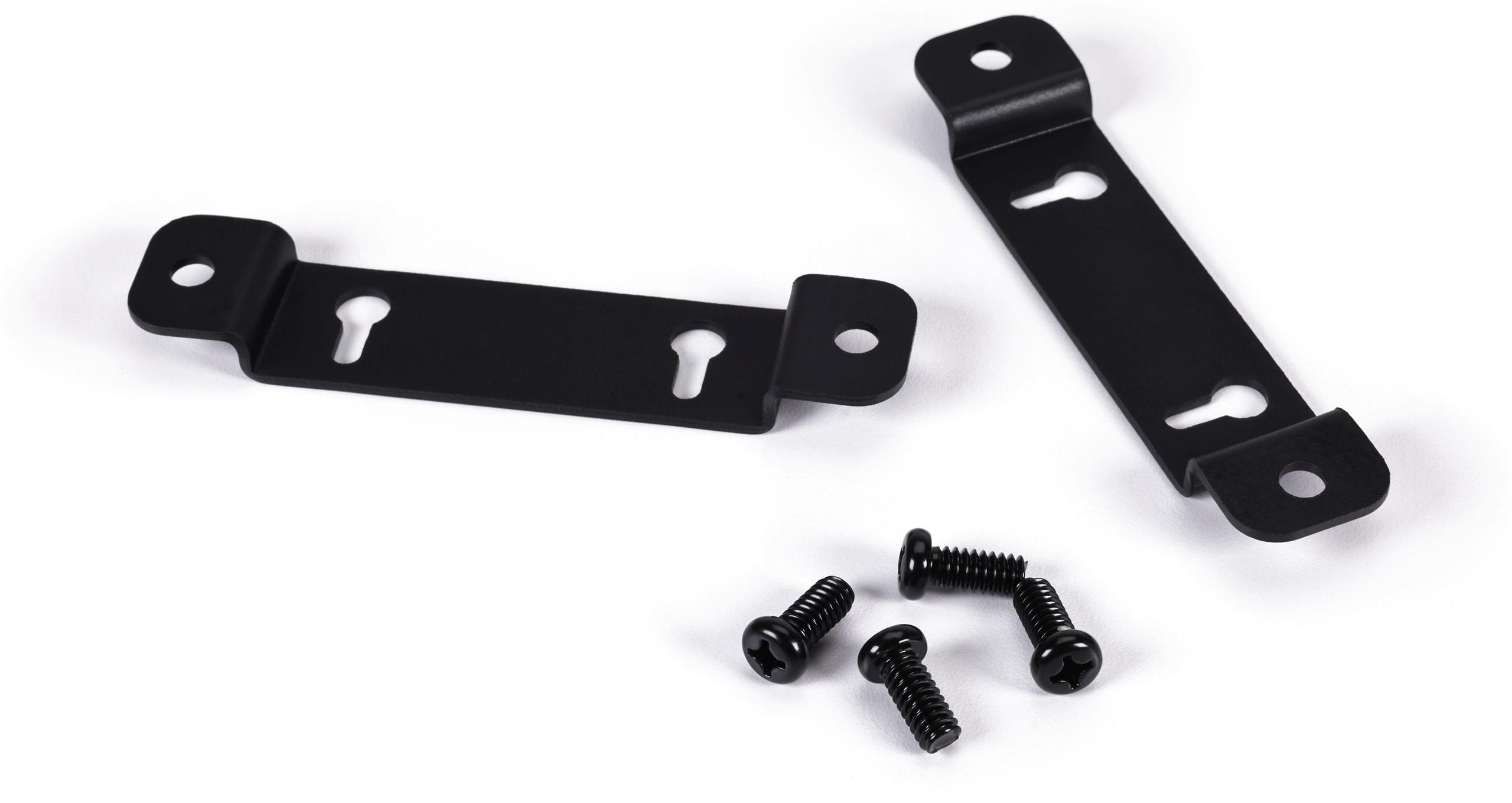
The JBL 240B includes wall-mount brackets and works well in smaller rooms (under 200 sq ft). Their controlled dispersion means they're less affected by nearby walls.
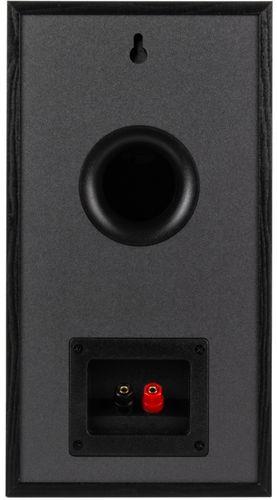
The Klipsch R-51M prefers a bit more space and works best on stands or shelves away from walls. Their rear port needs some breathing room for optimal bass response.
This is where we see a big difference:
The 8dB sensitivity difference means the Klipsch needs only half the power to reach the same volume level.
Both speakers offer good value but in different ways:
The JBL Stage 2 240B at $240 includes:
The Klipsch R-51M at $200 provides:
Choose the JBL Stage 2 240B if:
Choose the Klipsch R-51M if:
Both speakers are well-built and should last many years. JBL's newer design might have a slight edge in terms of current technology, but Klipsch's proven horn design has stood the test of time.
For home theater use, both can serve as excellent front or surround speakers. The JBLs might have an edge for surround duty due to their more neutral character, while the Klipsch's efficiency makes them excellent main speakers.
Remember that speaker preference is highly personal. If possible, try to listen to both - what sounds "accurate" to one person might sound "boring" to another, and what's "exciting" to some might be "aggressive" to others.
Both the JBL Stage 2 240B and Klipsch R-51M represent excellent values in their price range, and either could be the perfect choice depending on your specific needs and preferences. The key is matching them to your listening habits, room, and existing equipment.
| JBL Stage 2 240B - $240 | Klipsch Reference R-51M - $200 |
|---|---|
| Sensitivity - Determines how much amplifier power you need | |
| 85dB (needs more power) | 93dB (works well with lower powered amps) |
| Woofer Size - Impacts bass response and overall volume capability | |
| 4.5" Polycellulose (tighter, more controlled) | 5.25" Copper-Spun IMG (stronger bass output) |
| Frequency Response - Shows the range of sounds the speaker can reproduce | |
| 53Hz-25kHz (slightly extended treble range) | 62Hz-21kHz (standard range) |
| Power Handling - Indicates maximum safe amplifier power | |
| 20-125W (more flexible with powerful amps) | 85W continuous/340W peak (good for most uses) |
| Mounting Options - Important for placement flexibility | |
| Includes wall brackets and foam port plugs | No mounting hardware included |
| Tweeter Design - Affects sound character and dispersion | |
| 1" Aluminum dome with HDI waveguide (more neutral, wider sweet spot) | 1" Aluminum with Tractrix Horn (more dynamic, focused) |
| Size (HxWxD) - Consider your space constraints | |
| 10.7" x 6.9" x 8.5" (more compact) | 13.3" x 7" x 8.5" (larger cabinet) |
| Special Features - Added value considerations | |
| Magnetic grilles, modern waveguide technology | Traditional horn design, higher efficiency |
| Sound Character - Personal preference is key | |
| Balanced, accurate presentation | Dynamic, energetic presentation |

Privacy Policy
Terms and Conditions - Affiliate Policy
Home Security
© Copyright 2008-2026.
11816 Inwood Rd #1211, Dallas, TX 75244