

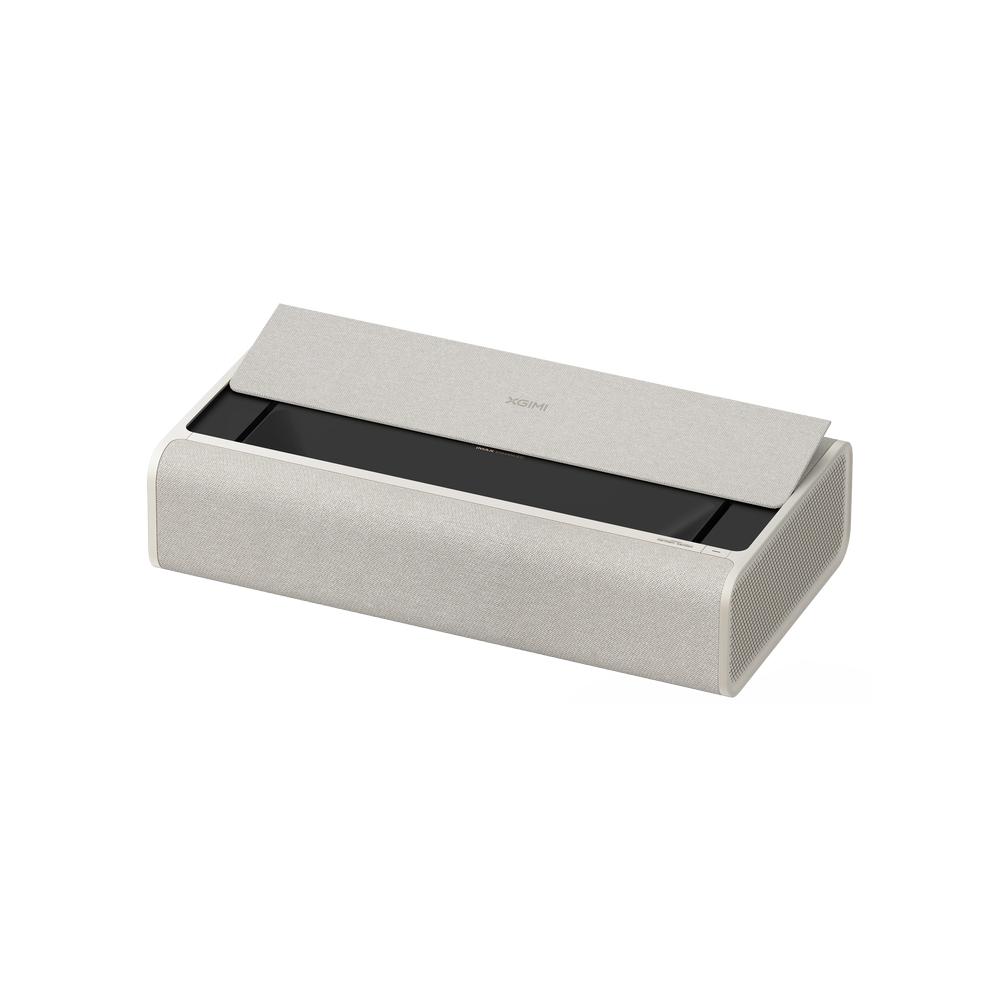
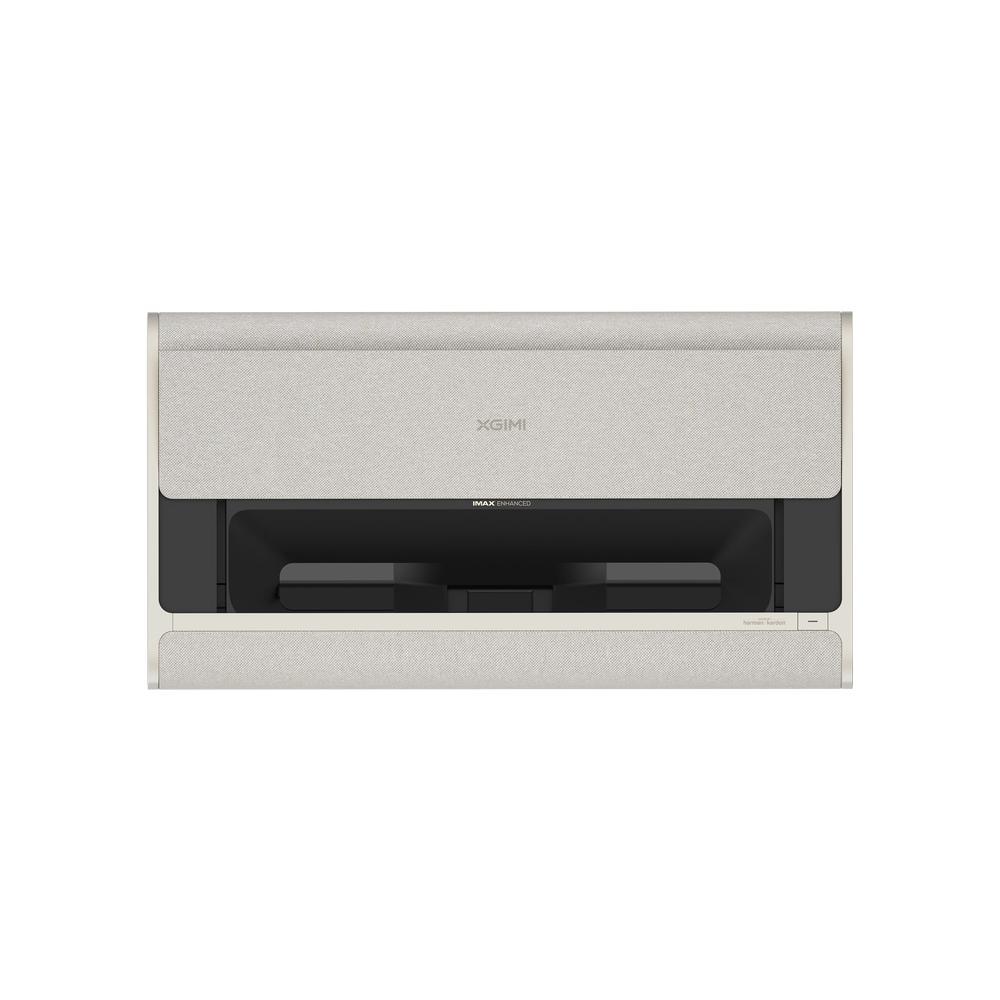
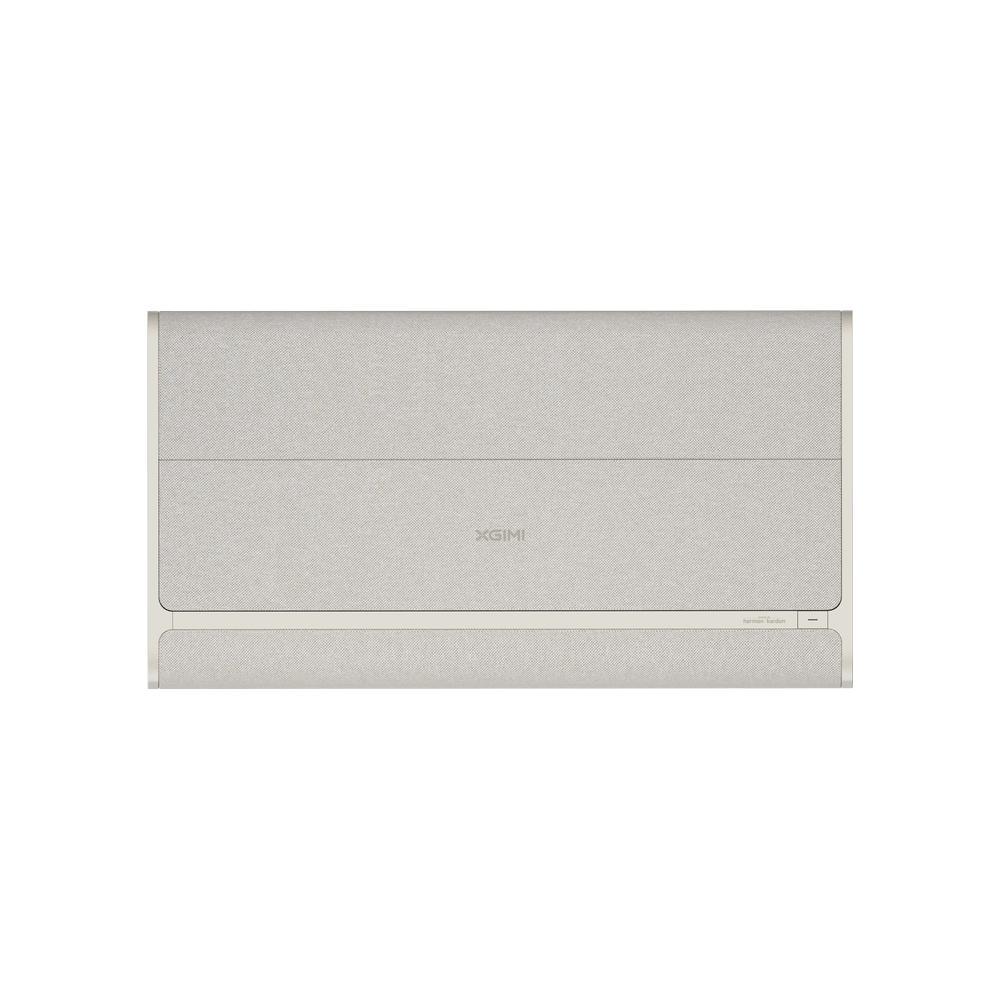
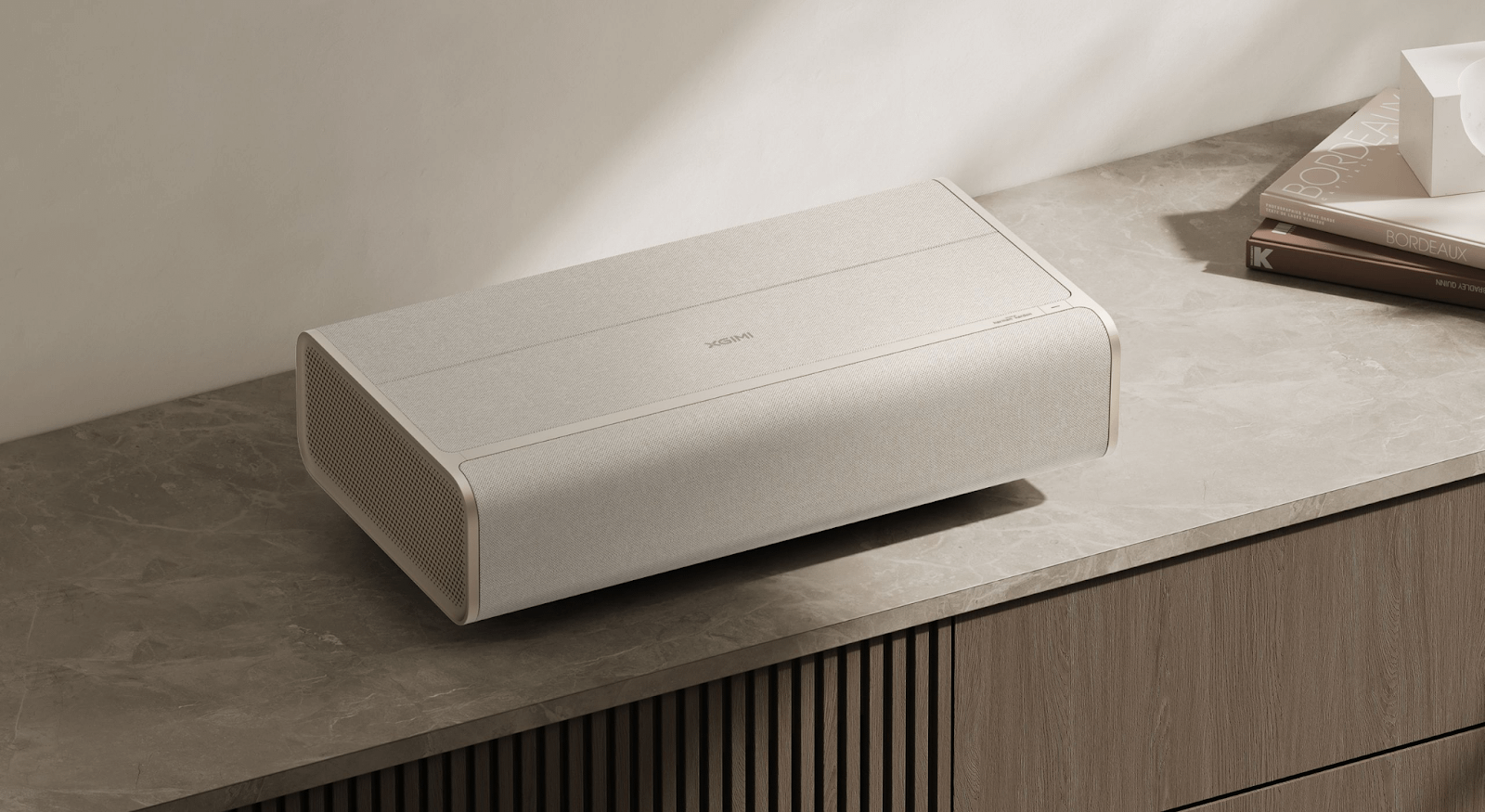
When it comes to creating a truly immersive home theater experience, Ultra Short Throw (UST) laser projectors represent some of the most exciting technology available today. In this comparison, we'll look at two compelling options: the premium Leica Cine 1 ($9,495) and the more affordable XGIMI Aura 2 ($2,699).
Traditional projectors require significant room depth for installation, often meaning ceiling mounts and complex wiring. UST projectors solve this by sitting just inches from your wall while still delivering massive screen sizes. They've become increasingly popular as alternatives to large TVs, offering similar convenience with much larger possible screen sizes.
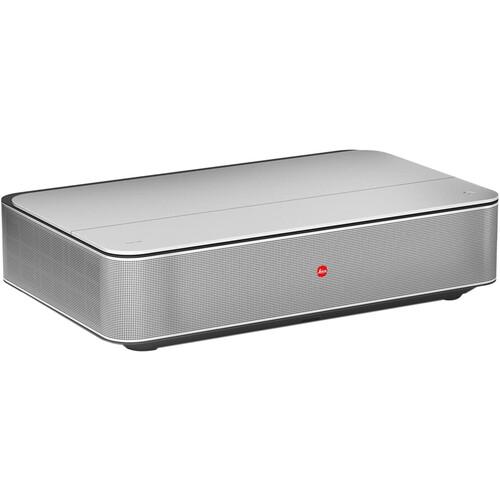
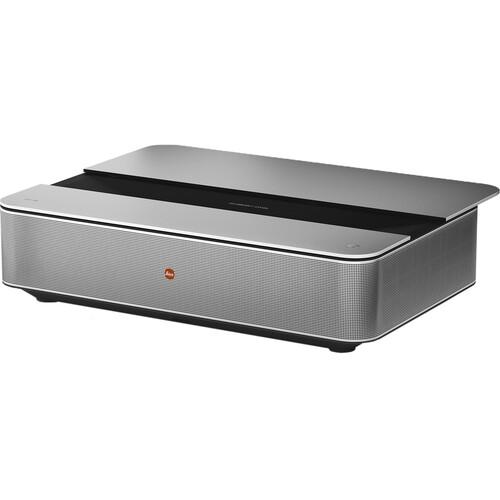
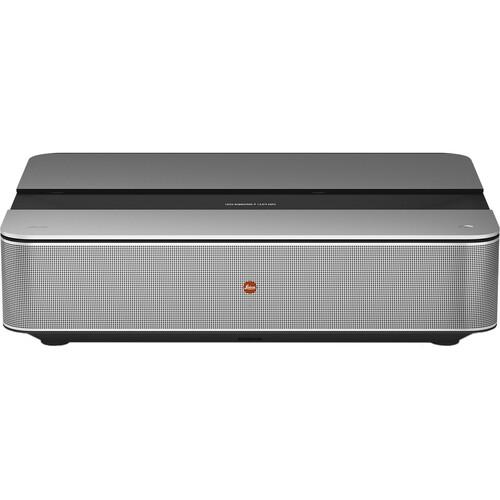
The Leica Cine 1 represents the premium end of the market, released in 2023 as a collaboration between Leica and Hisense. Its standout feature is the custom-designed Summicron lens system - essentially the same technology Leica uses in their legendary cameras, adapted for projection. This results in exceptional edge-to-edge sharpness that's immediately noticeable, especially with 4K content.
The XGIMI Aura 2, released in late 2023, takes a different technical approach. Instead of using three separate laser light sources, it employs an innovative Dual Light 2.0 technology that combines LED and laser lighting. This hybrid approach helps reduce the "laser speckle" effect (a subtle sparkly texture) that can appear with pure laser systems, while still maintaining excellent color accuracy.
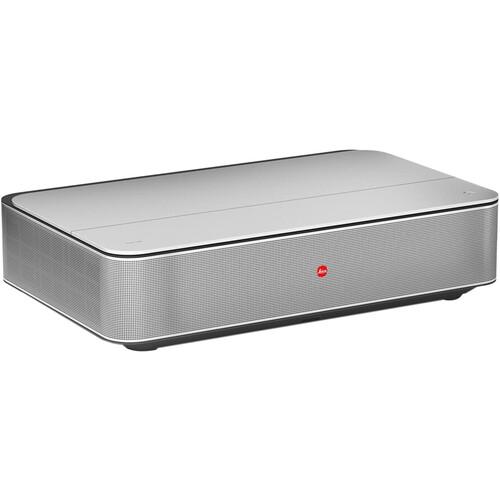
In direct comparison:
Brightness is crucial for UST projectors since they're often used in living rooms rather than dedicated theater spaces. The Leica outputs 3,000 lumens compared to the XGIMI's 2,300 lumens. This difference is noticeable in rooms with ambient light, where the Leica maintains more punch and contrast.
However, both projectors perform well in controlled lighting. The XGIMI includes advanced ambient light rejection features and automatic brightness adjustment, which help compensate for its lower raw output. For dedicated home theater use in a dark room, both projectors provide excellent viewing experiences.
One of the XGIMI's strongest advantages is its more aggressive throw ratio of 0.177:1, meaning it can sit closer to the wall while producing the same size image. For a 100-inch picture, you'll need:
This difference can be significant in smaller rooms or when dealing with furniture placement. The XGIMI also includes more advanced automatic setup features:
While most serious home theater enthusiasts will use separate audio systems, built-in sound quality matters for casual viewing and simpler setups. The XGIMI surprisingly takes the lead here with its 60W Harman Kardon speaker system, offering noticeably fuller sound than the Leica's more basic audio implementation.
Both support external audio through eARC HDMI, allowing connection to modern soundbars and receivers for proper surround sound setups.
Both projectors run Android-based smart TV platforms, though with different implementations:
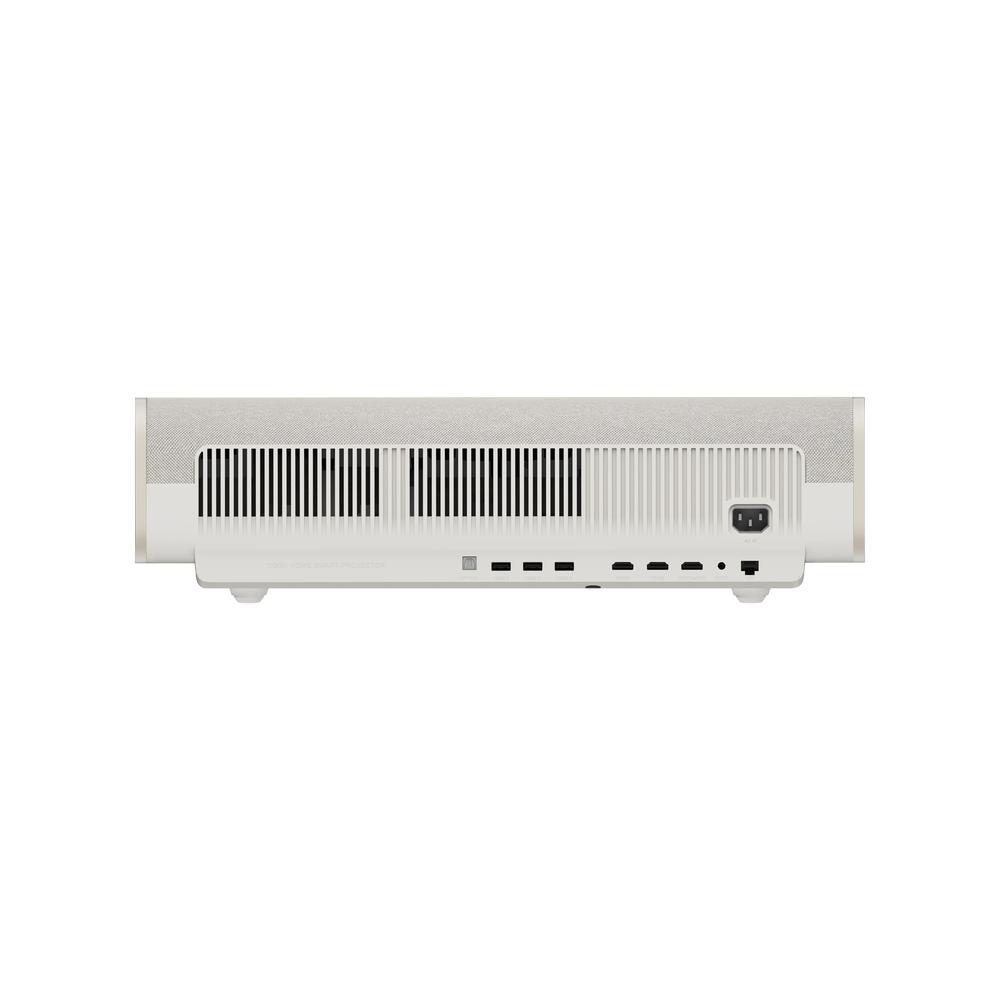
In practice, most users will likely connect external streaming devices for the best experience. Both projectors offer multiple HDMI inputs supporting 4K/60Hz, though the Leica includes one HDMI 2.1 port for future-proofing.
Laser projectors have much longer lifespans than traditional lamp-based units. The Leica edges out the XGIMI here:
At 4 hours of daily use, that's about 17 years for the Leica and 13.7 years for the XGIMI before significant brightness degradation.
The Leica Cine 1 costs nearly 3.5 times more than the XGIMI Aura 2. This premium buys you:
However, the XGIMI delivers:
The Leica Cine 1 and XGIMI Aura 2 represent different approaches to UST projection. The Leica is unquestionably the better performer, but the XGIMI offers tremendous value while still delivering excellent image quality.
For most users, the XGIMI's combination of performance, features, and price makes it the more logical choice. However, if you're building a dedicated home theater and demand the absolute best image quality, the Leica's premium performance might justify its premium price.
Remember that either projector will benefit significantly from a proper ambient light rejecting (ALR) screen and controlled lighting conditions. These environmental factors often impact the viewing experience more than the differences between projectors.
| Leica Cine 1 ($9,495) | XGIMI Aura 2 ($2,699) |
|---|---|
| Brightness - Critical for ambient light performance and HDR impact | |
| 3,000 lumens, excellent HDR handling | 2,300 lumens, good but less impactful HDR |
| Light Source - Affects color accuracy, speckle, and lifespan | |
| Triple RGB laser system with 25,000 hour life | Dual Light 2.0 (LED + laser hybrid) with 20,000 hour life |
| Color Gamut - Determines range of displayable colors | |
| 100% BT.2020, reference-grade accuracy | 99% DCI-P3, very good consumer-grade |
| Throw Ratio - Determines required distance from wall | |
| 0.25:1 (14.3" for 120" image) | 0.177:1 (7" for 100" image) |
| Lens Quality - Impacts edge-to-edge sharpness | |
| Premium Leica Summicron lens, exceptional clarity | Standard UST lens, good but not reference quality |
| Audio System - Important for standalone use | |
| Basic Dolby Atmos speakers | 60W Harman Kardon, superior audio quality |
| Smart Features - Affects content access | |
| Google TV, full Play Store access | Modified Android TV, some limitations |
| HDR Support - Determines dynamic range capability | |
| HDR10, HDR10+, Dolby Vision, HLG | HDR10, Dolby Vision (Q4 2024), IMAX Enhanced |
| Installation Features - Affects setup ease | |
| Basic auto-keystone | Advanced auto-keystone, wall color compensation |
| Build Quality - Impacts durability and aesthetics | |
| Premium aluminum chassis, motorized dust cover | Good quality plastic construction |
| Value Proposition - Price vs Performance | |
| Premium pricing, reference-quality performance | Excellent value, 80-90% of premium performance |
The Leica Cine 1 offers superior picture quality with its triple RGB laser system and premium Summicron lens. While the XGIMI Aura 2 produces excellent images, the Leica's higher brightness (3,000 vs 2,300 lumens) and better color accuracy make it the winner for pure image quality.
The Leica Cine 1 costs $9,495, while the XGIMI Aura 2 is priced at $2,699. This significant price difference makes the XGIMI a much more accessible option for most buyers.
The Leica Cine 1 performs better in bright rooms due to its higher 3,000 lumen output compared to the XGIMI Aura 2's 2,300 lumens. Both projectors work best in controlled lighting conditions, but the Leica maintains better image quality with ambient light.
Both projectors work best with an ALR (Ambient Light Rejecting) screen, though they can project onto white walls. An ALR screen significantly improves contrast and image quality for both the Leica Cine 1 and XGIMI Aura 2.
The XGIMI Aura 2 requires less space, needing only 7 inches from the wall for a 100-inch image. The Leica Cine 1 needs about 14.3 inches for a similar size, making the XGIMI more flexible for tight spaces.
The Leica Cine 1 has a 25,000-hour laser life, while the XGIMI Aura 2 offers 20,000 hours. Both provide many years of use at 4 hours daily viewing.
The XGIMI Aura 2 features superior 60W Harman Kardon speakers compared to the Leica Cine 1's basic audio system. For serious home theater use, external speakers are recommended for both.
Both projectors include smart TV platforms, but many users prefer connecting external streaming devices. The Leica Cine 1 uses Google TV with full Play Store access, while the XGIMI Aura 2 runs a modified Android TV system.
Yes, both support 4K resolution and HDR content. The Leica Cine 1 offers slightly better HDR performance due to higher brightness, but both the Leica and XGIMI Aura 2 provide excellent 4K picture quality.
The XGIMI Aura 2 offers more automated setup features, including advanced keystone correction and wall color compensation. The Leica Cine 1 has basic auto-setup features but may require more manual adjustment.
Both projectors support gaming, but neither is specifically optimized for it. The Leica Cine 1 includes HDMI 2.1, while the XGIMI Aura 2 uses HDMI 2.0, though both handle 4K/60Hz gaming well.
For most buyers, the XGIMI Aura 2 offers better value, delivering about 80-90% of the Leica Cine 1's performance at less than one-third the price. The Leica's premium price is justified mainly for videophiles demanding the absolute best image quality.
We've done our best to create useful and informative comparisons to help you decide what product to buy. Our research uses advanced automated methods to create this comparison and perfection is not possible - please contact us for corrections or questions. These are the sites we've researched in the creation of this article: whathifi.com - leicacamerausa.com - leicacamerausa.com - trustedreviews.com - valueelectronics.com - projectorcentral.com - leicastoresf.com - crutchfield.com - projectorreviews.com - crutchfield.com - projectorscreen.com - projectorscreen.com - us.xgimi.com - us.xgimi.com - projectorscreen.com - projectorreviews.com - techradar.com - projectorcentral.com - avsforum.com - us.xgimi.com - us.xgimi.com - hometechnologyreview.com

Privacy Policy
Terms and Conditions - Affiliate Policy
Home Security
© Copyright 2008-2026.
11816 Inwood Rd #1211, Dallas, TX 75244