

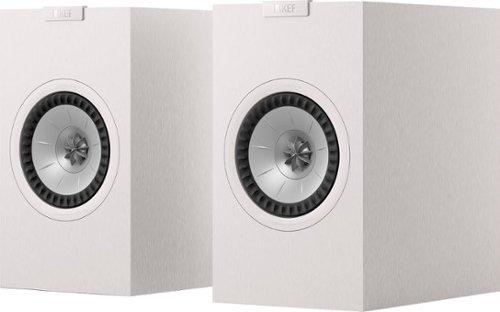
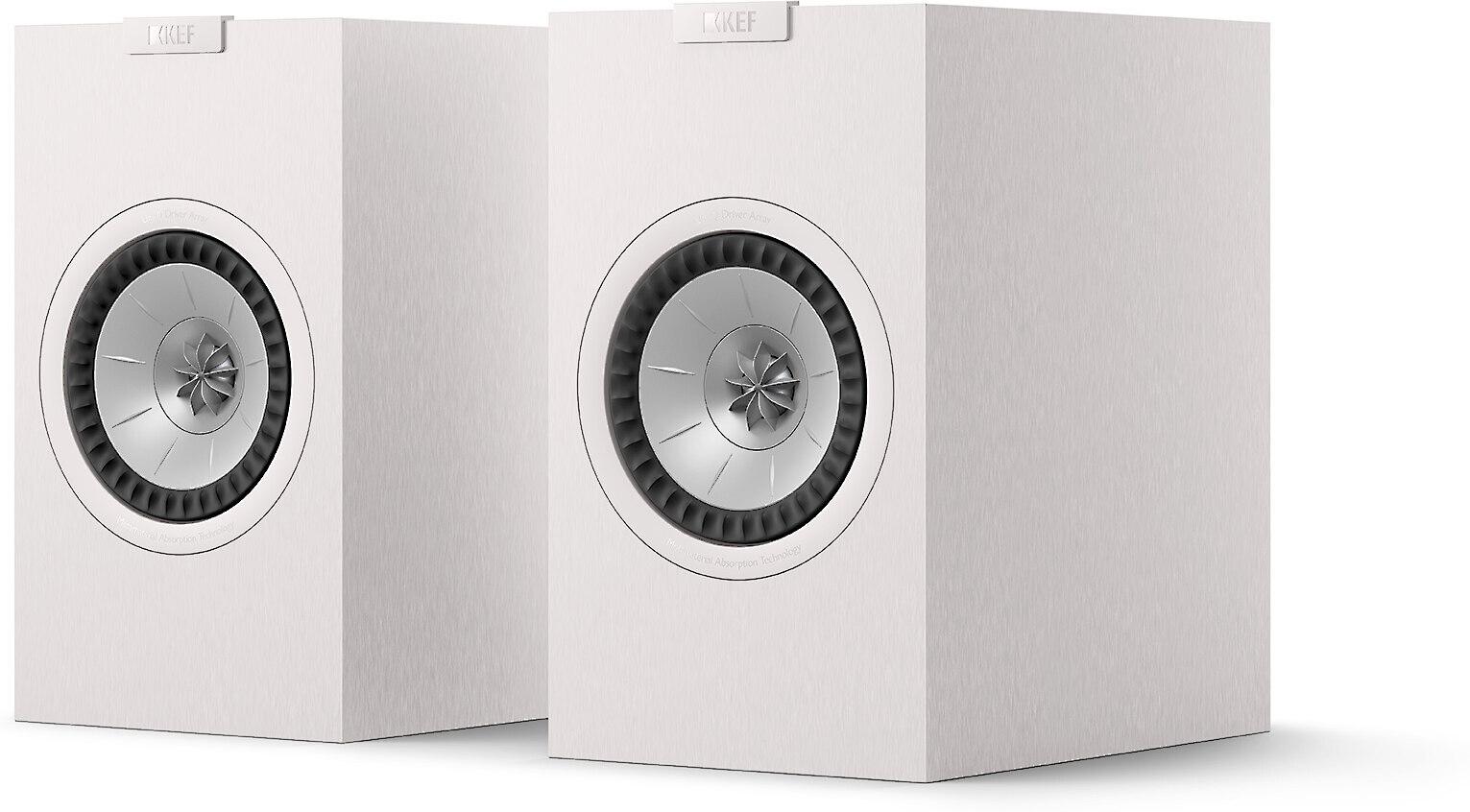
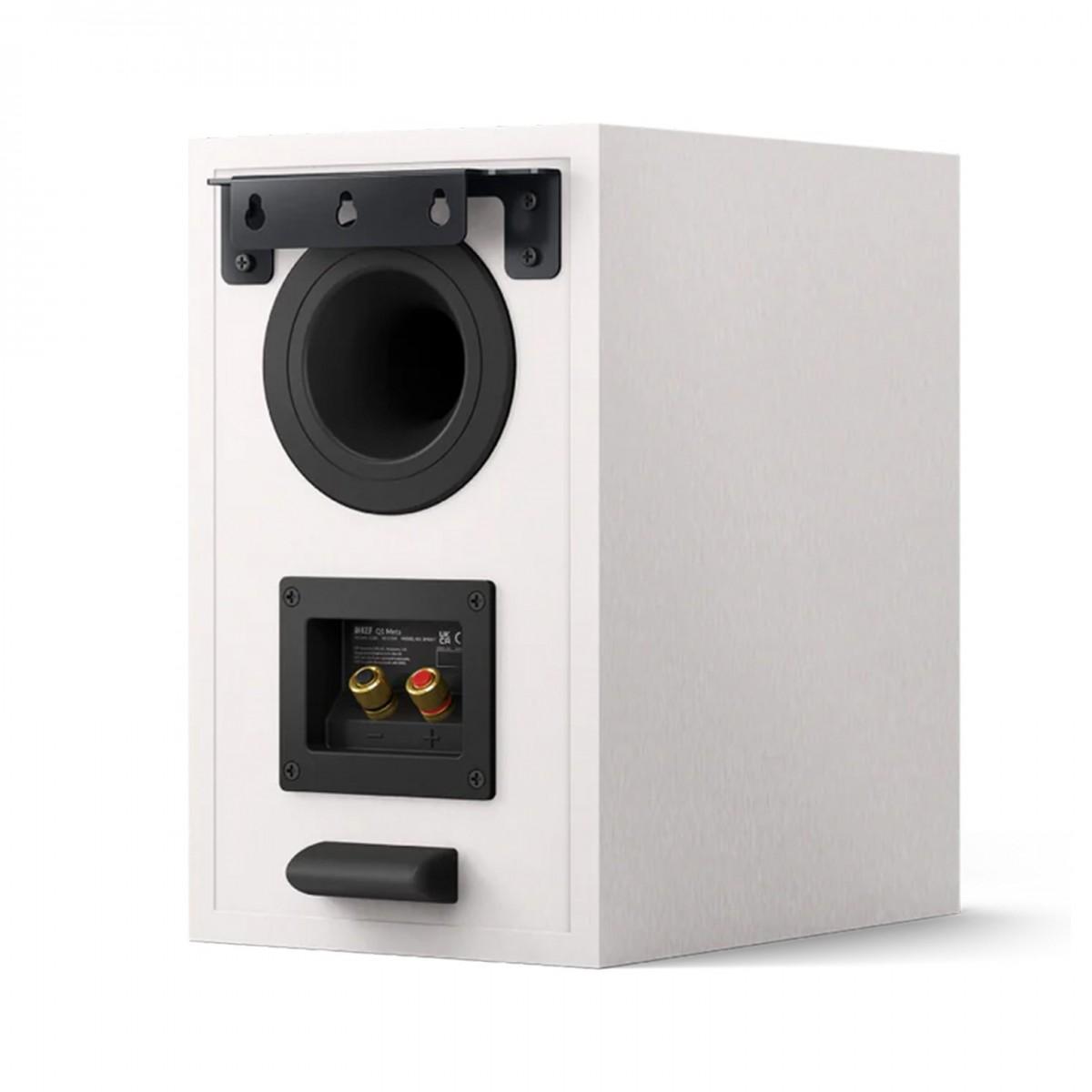
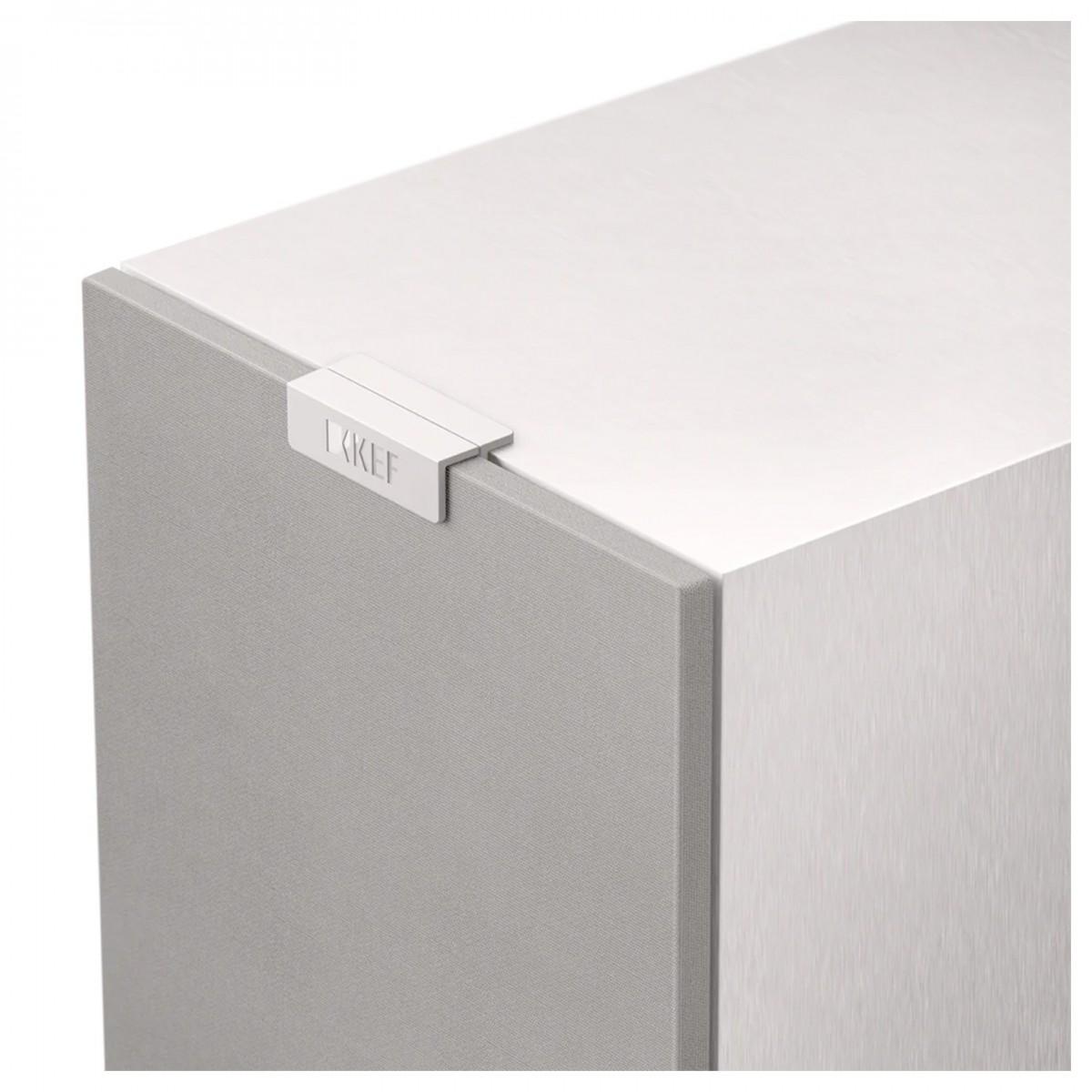
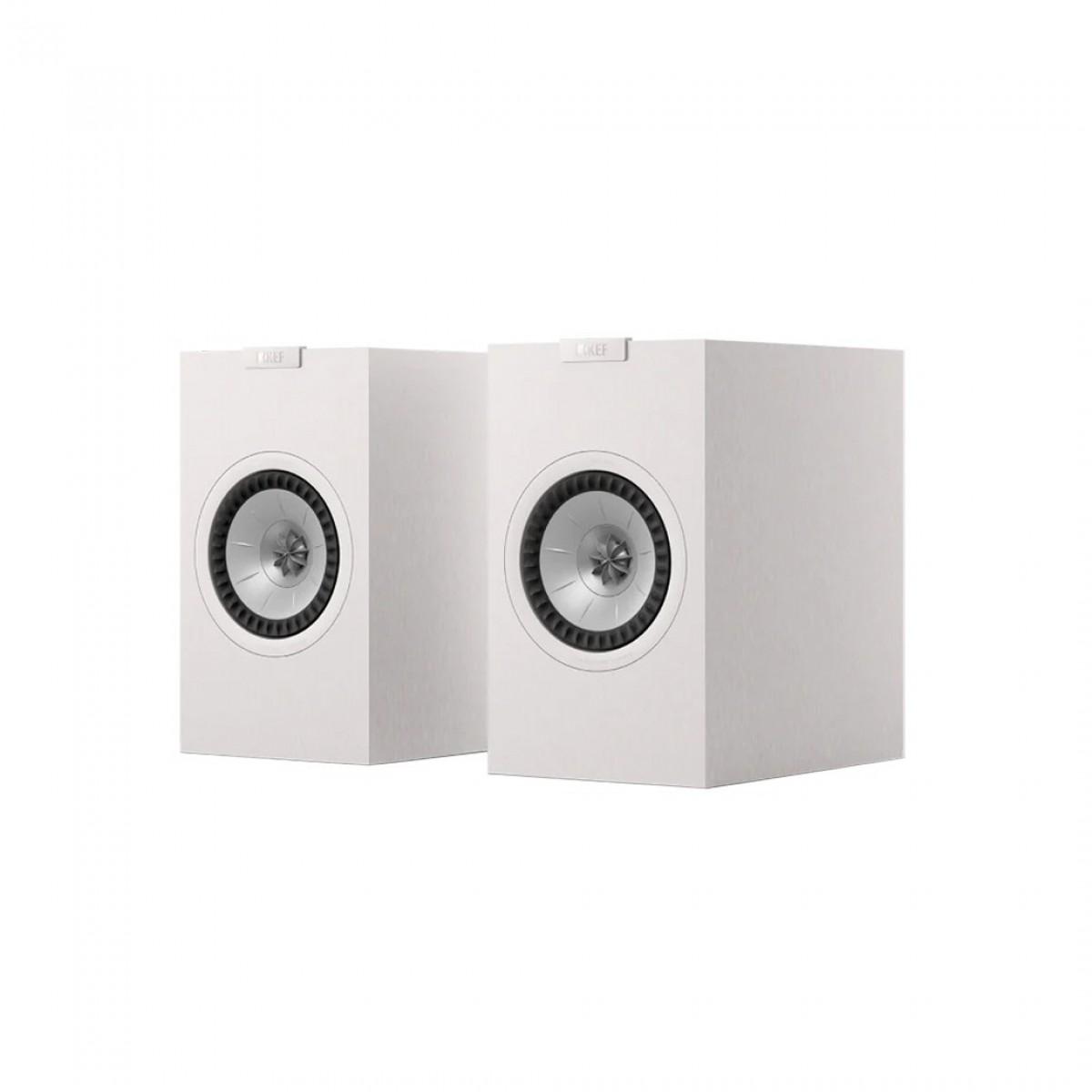
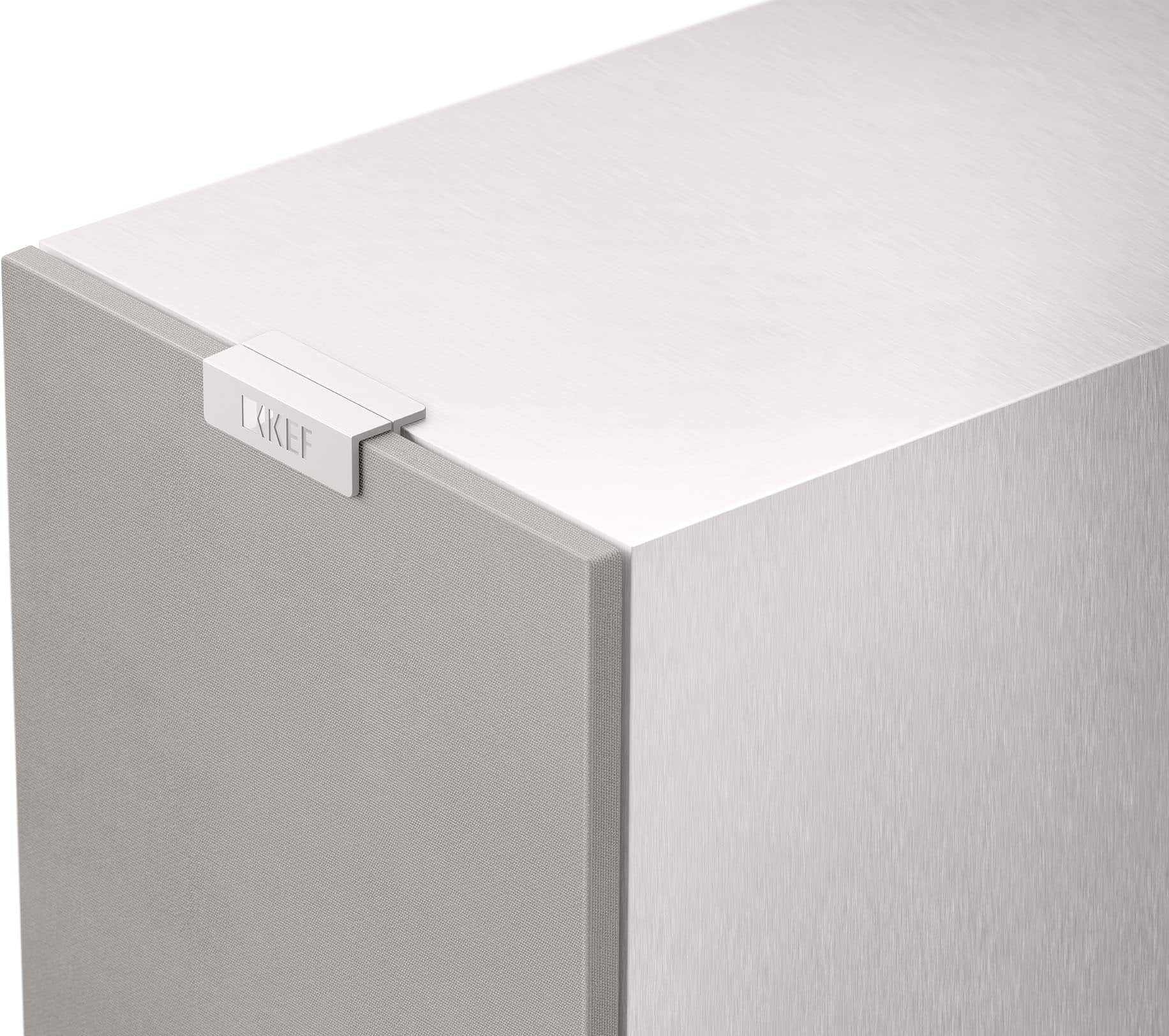
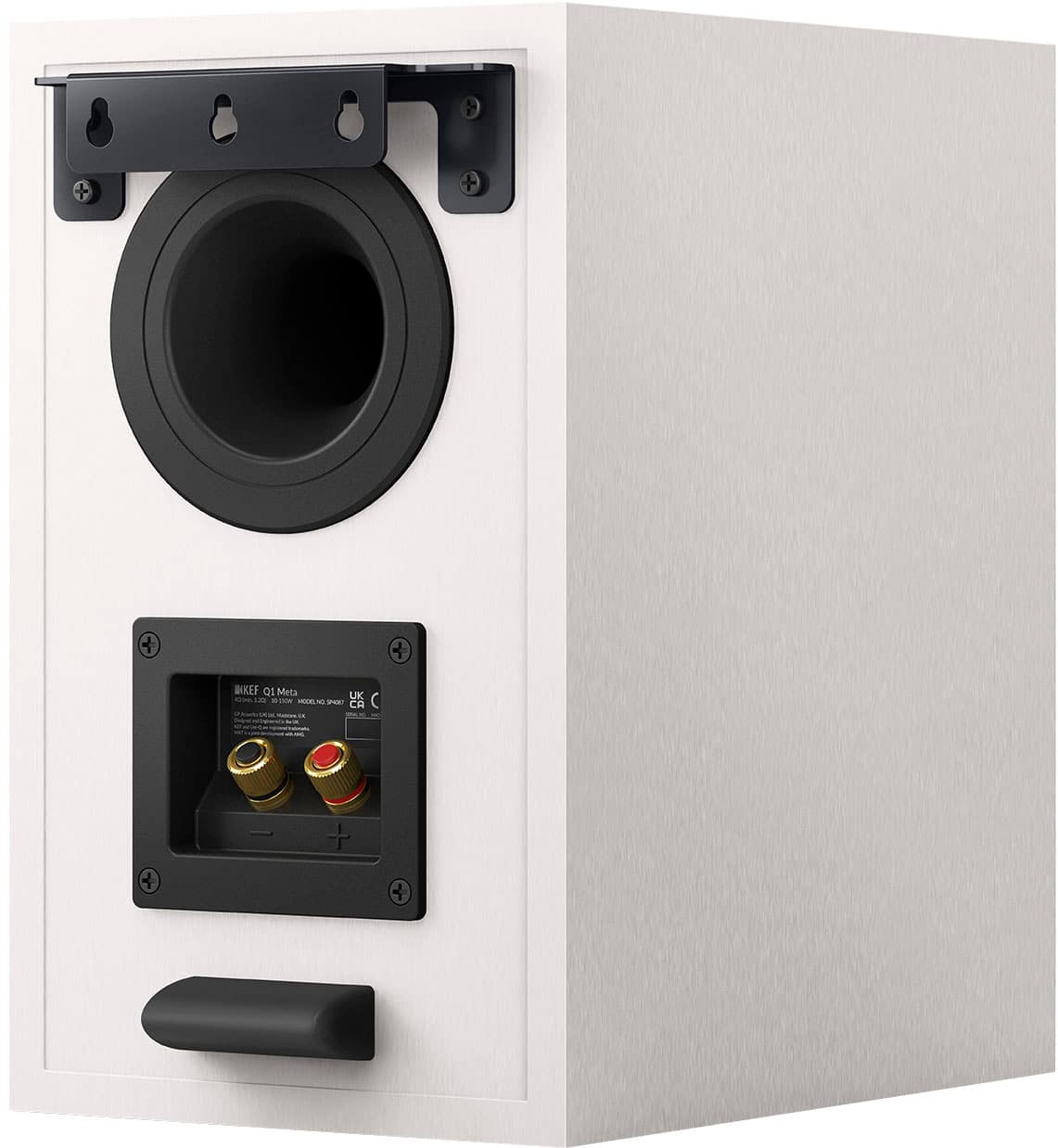
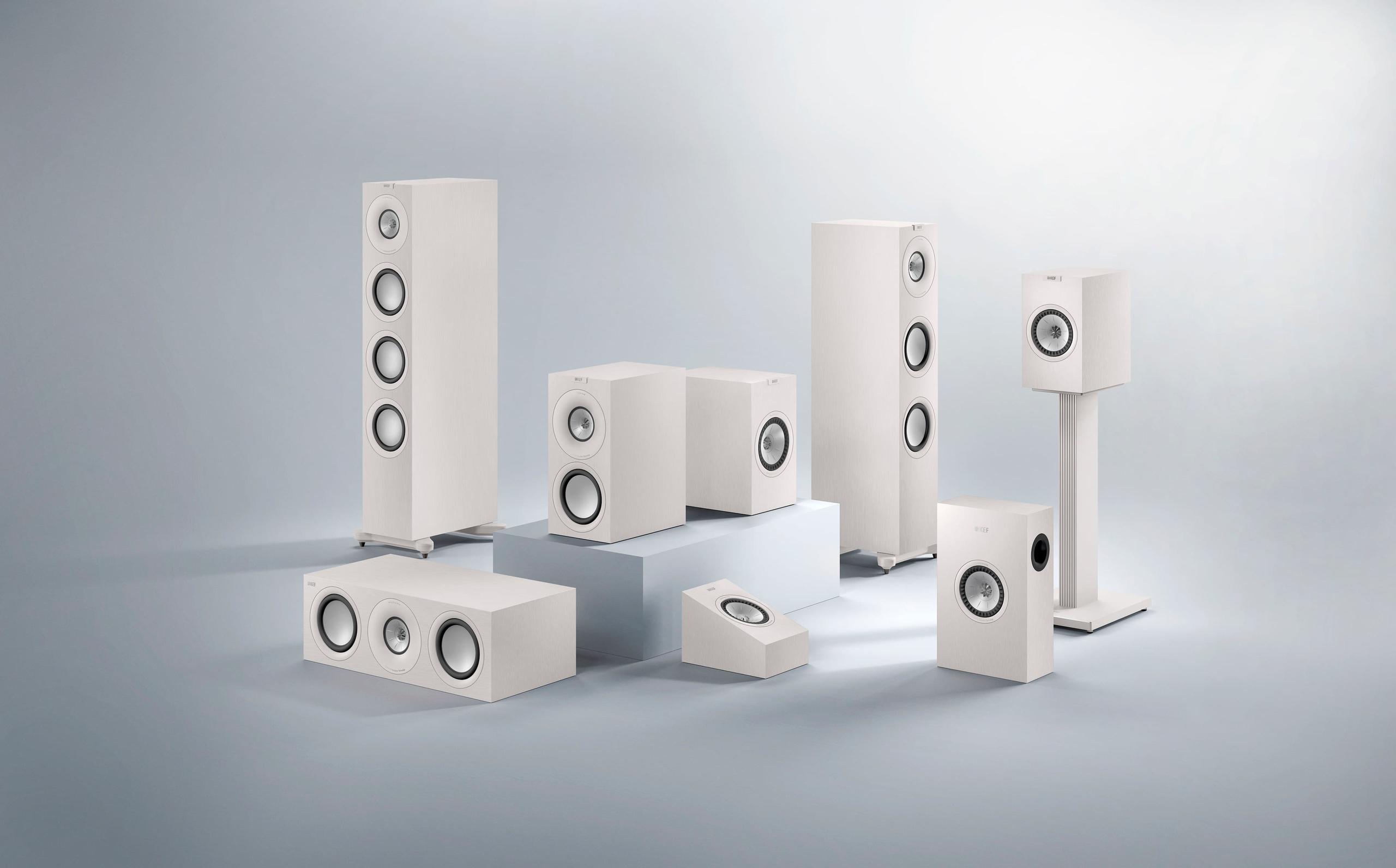
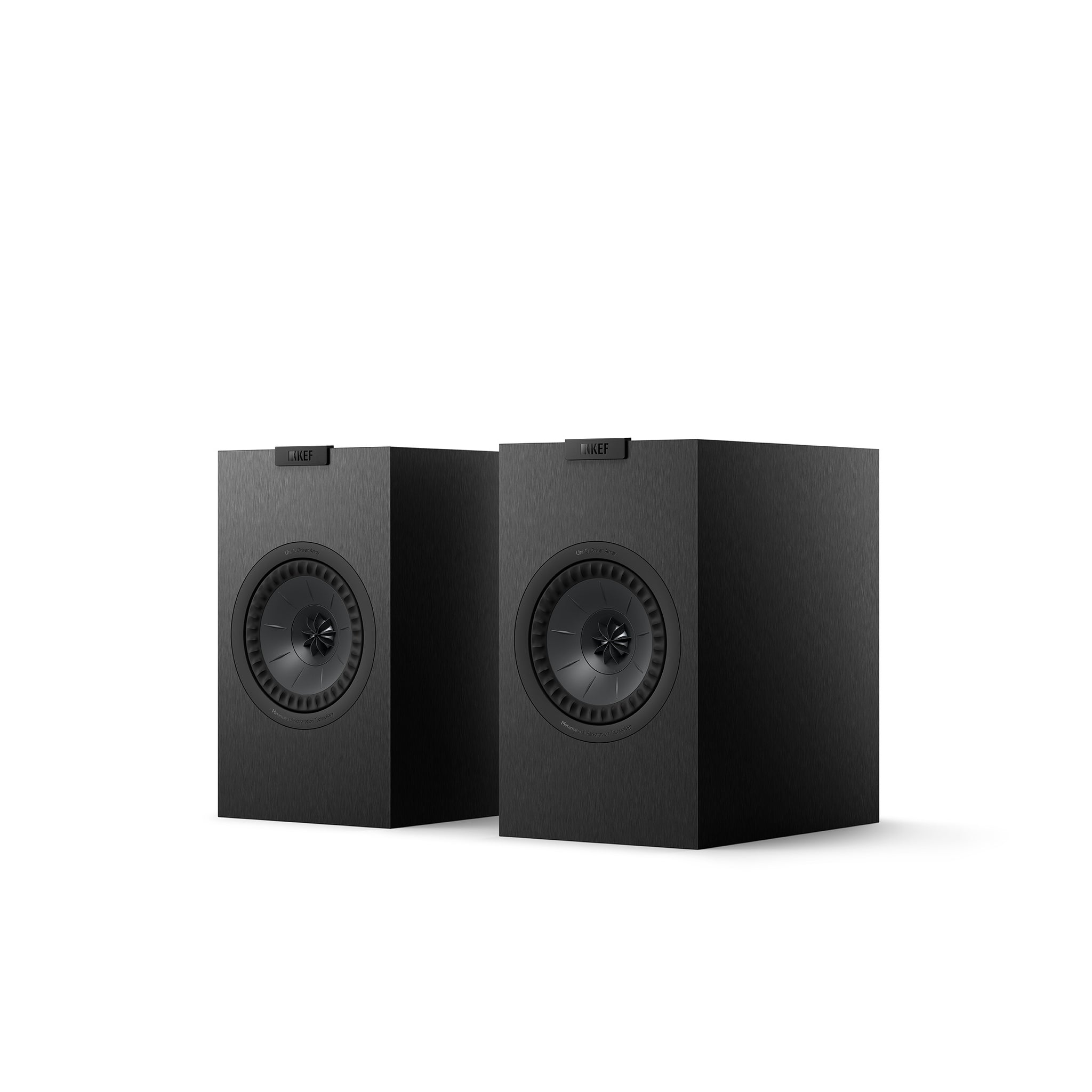
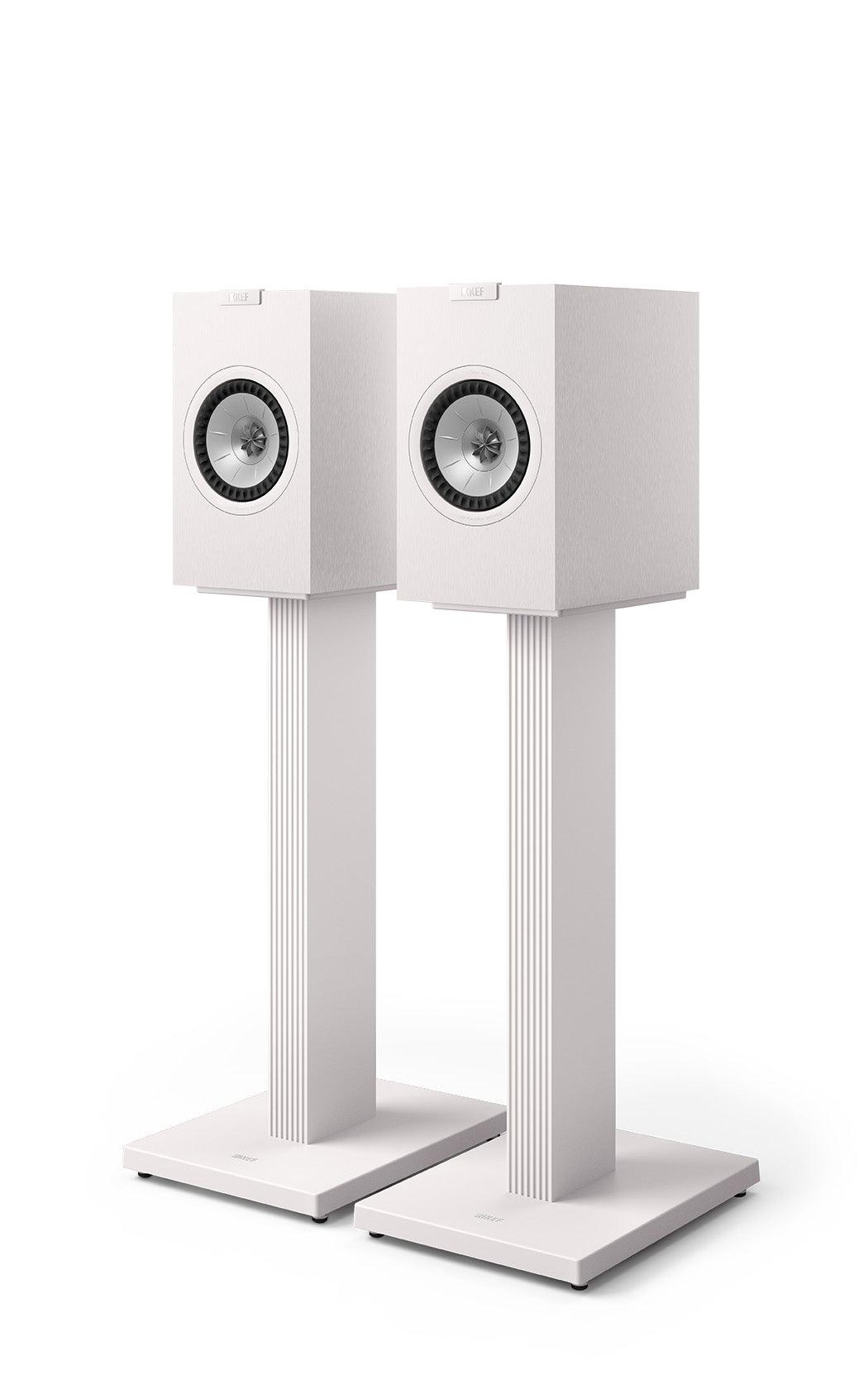
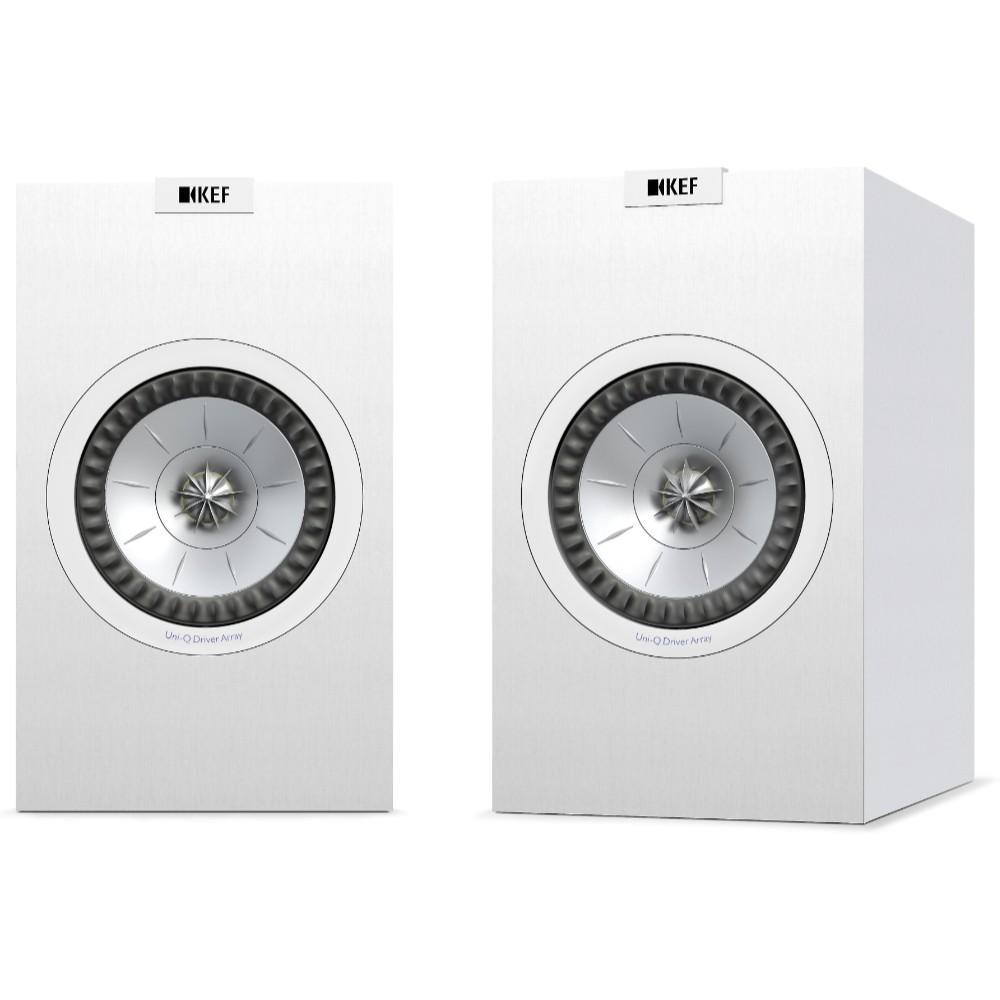
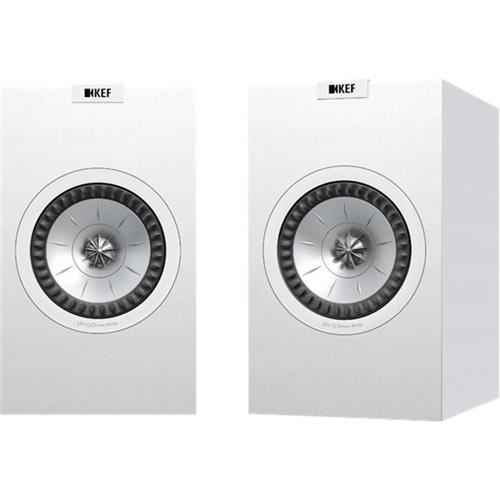
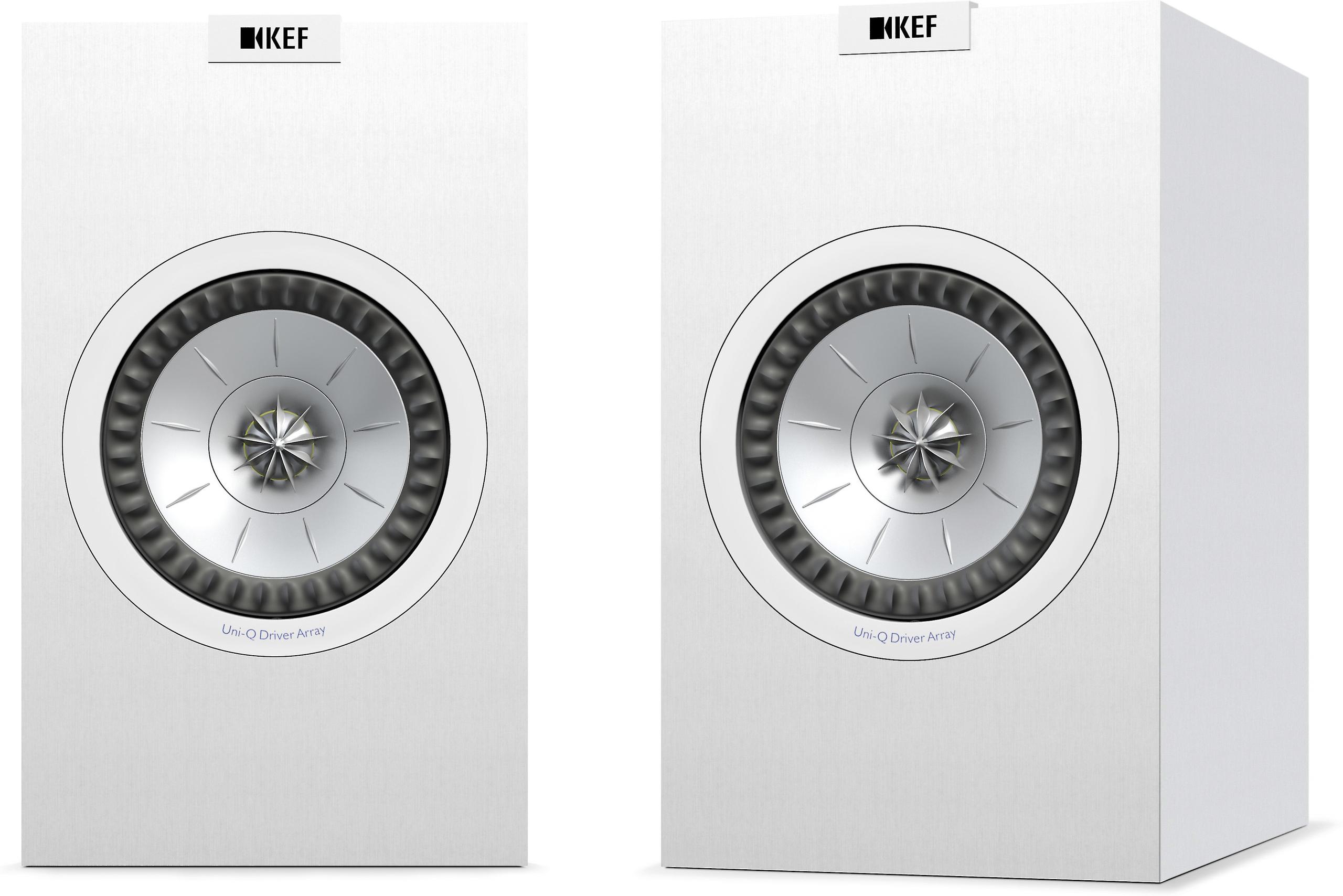
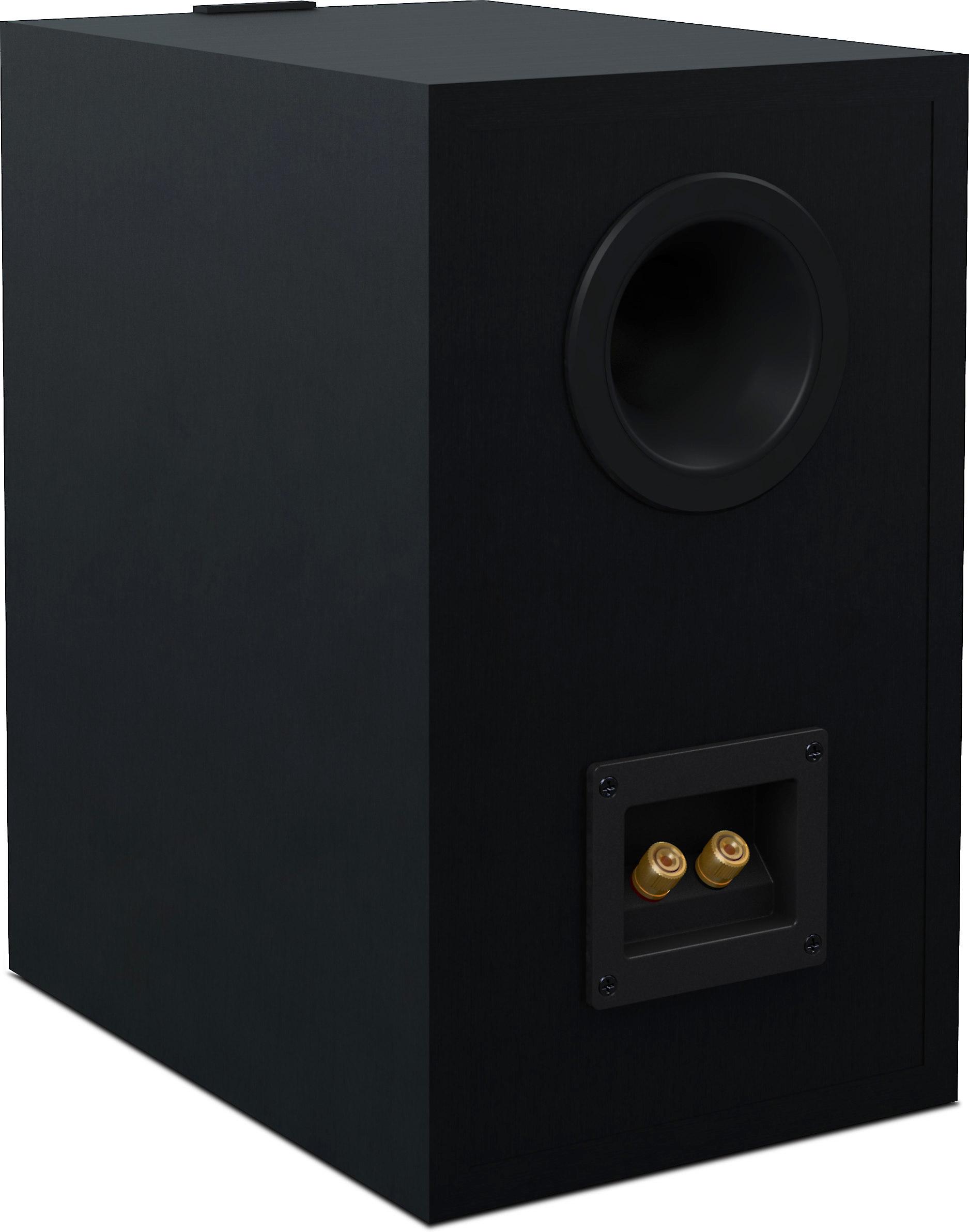
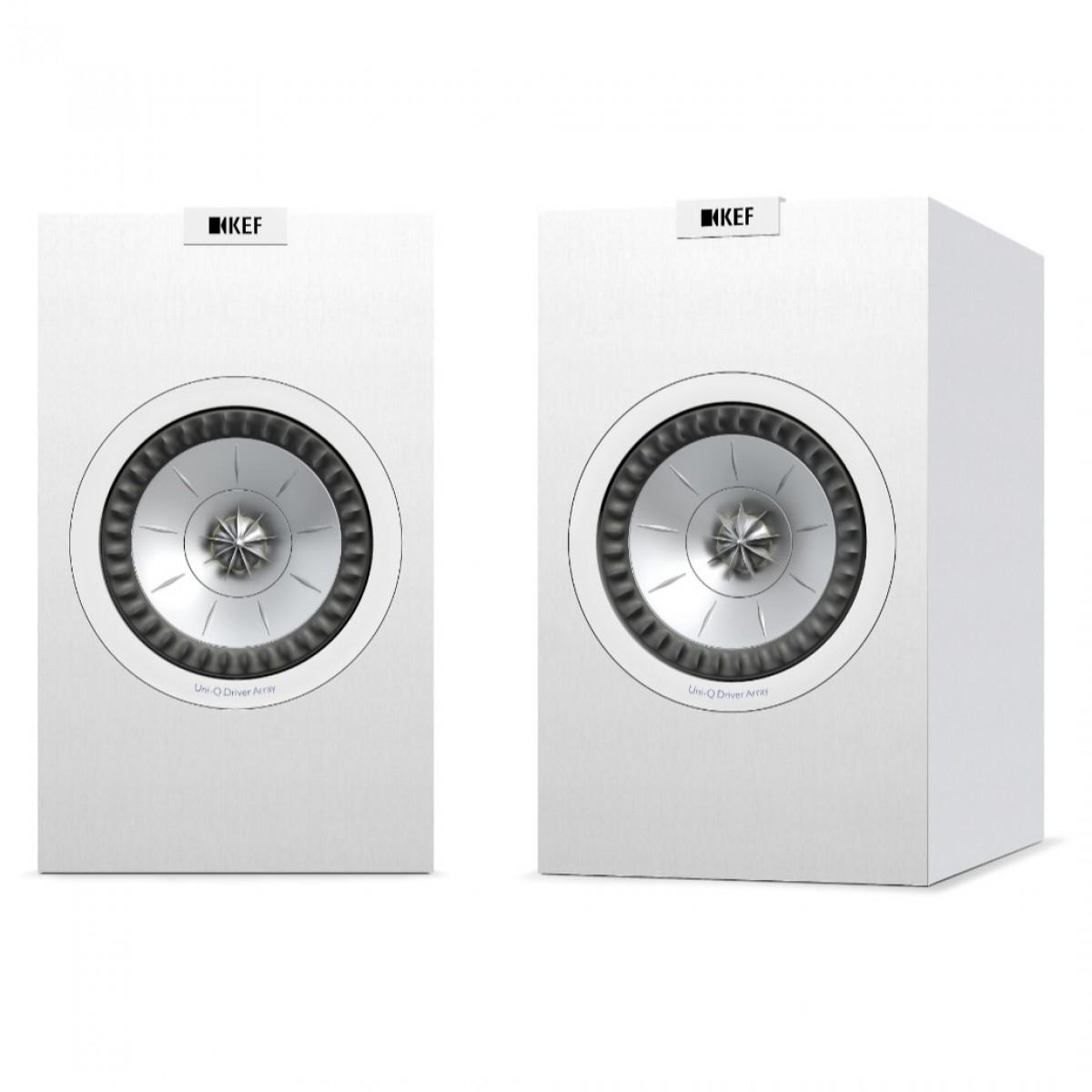
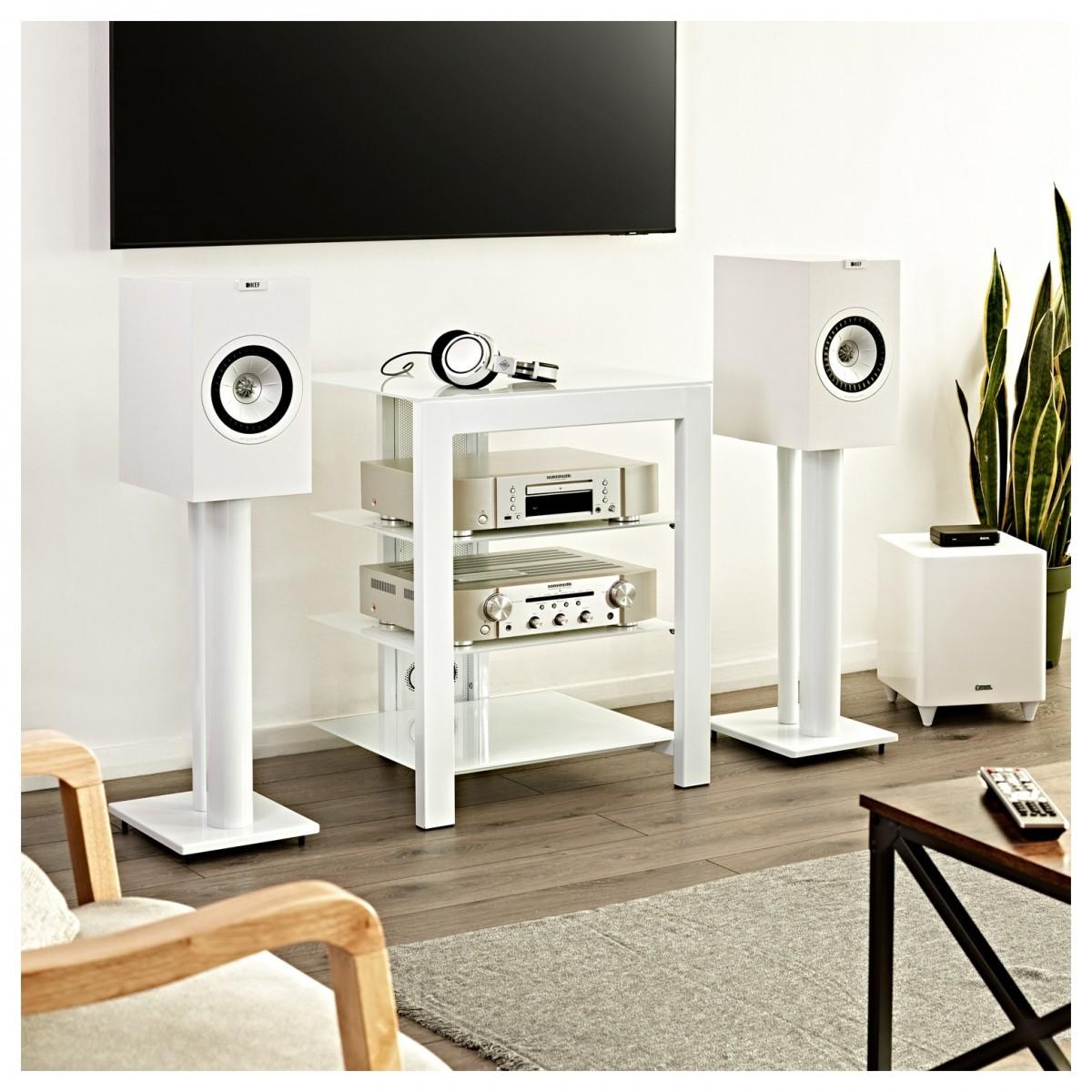
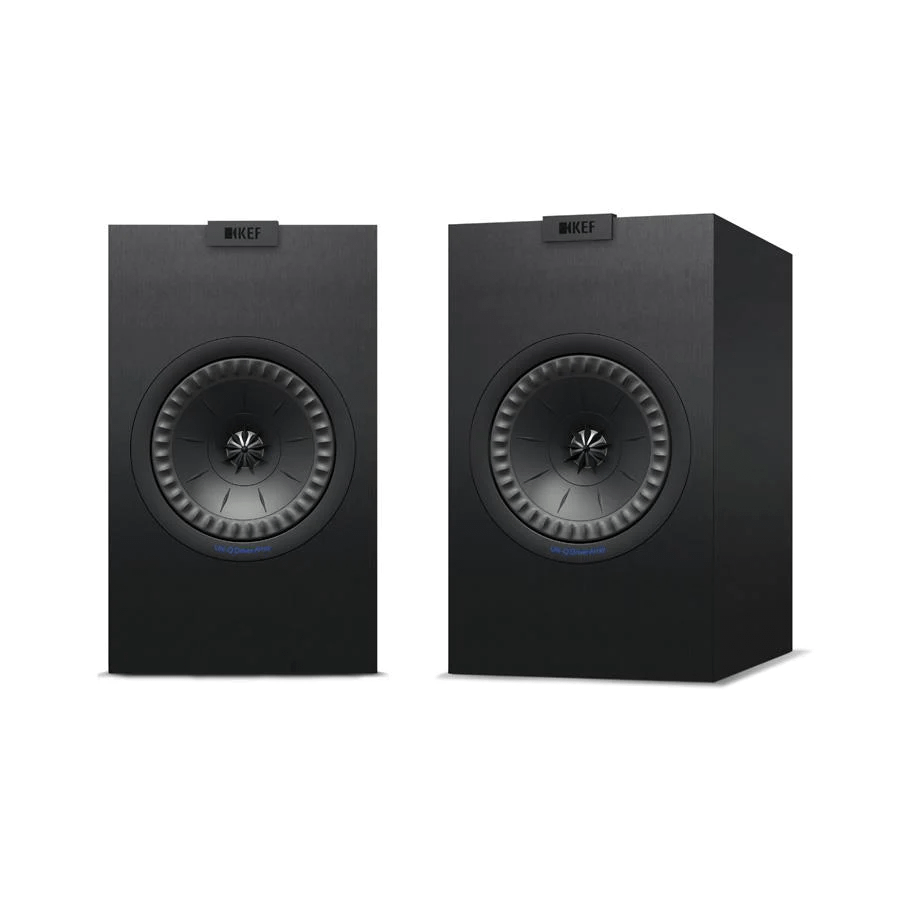
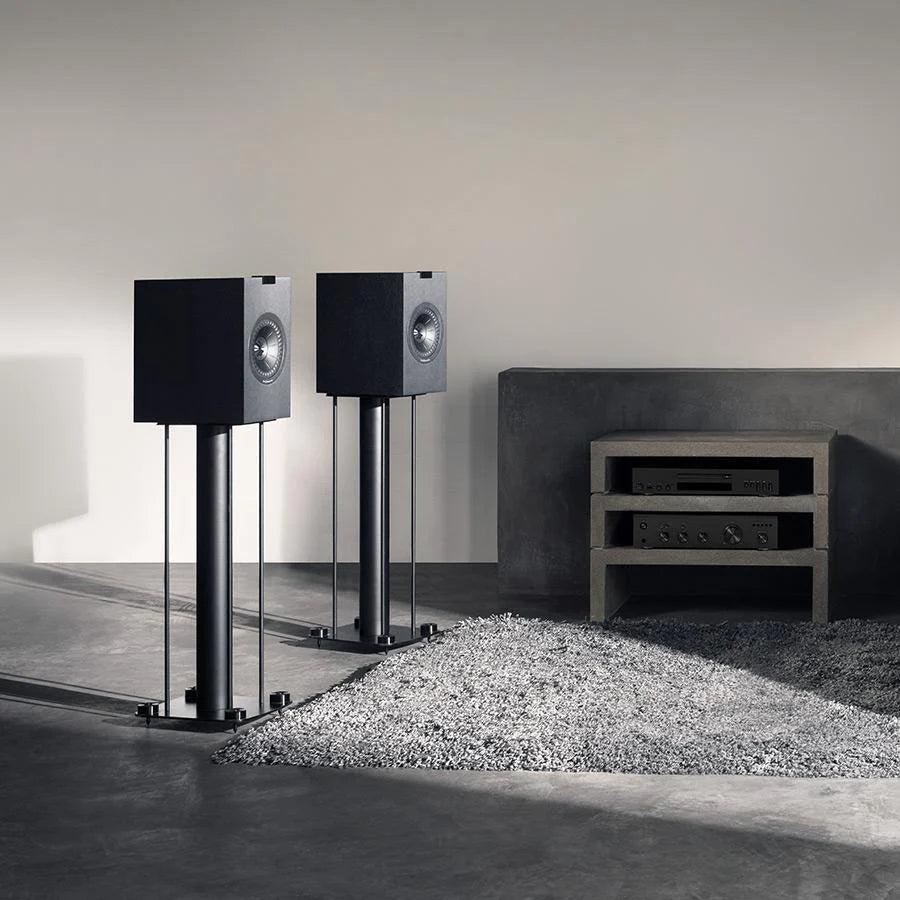
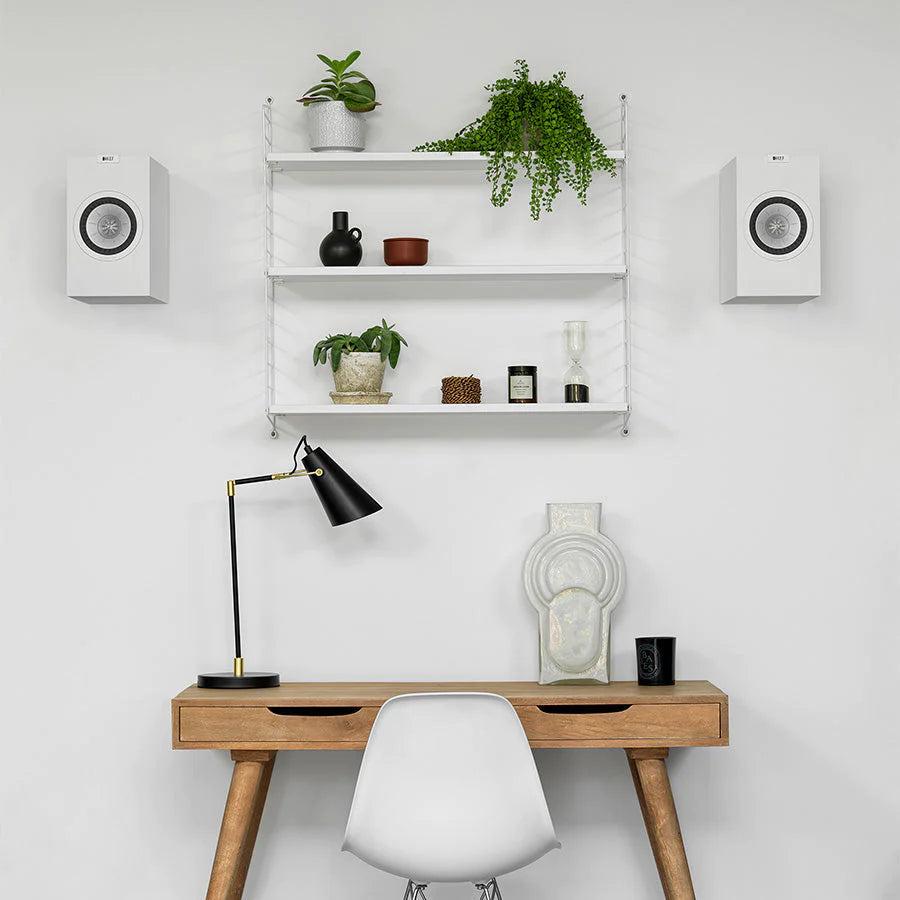
If you're in the market for high-quality bookshelf speakers, you've probably encountered KEF's impressive lineup. Today, we're comparing two popular models: the newer KEF Q1 Meta ($899) and the tried-and-true KEF Q150 ($599). Let's break down what makes each special and help you decide which one deserves a spot in your home.
Before diving into specifics, let's talk about what makes a great bookshelf speaker. Despite their name, these compact speakers often perform best on dedicated stands, positioned away from walls. They're designed to deliver high-quality sound in small to medium-sized rooms without dominating your space like floor-standing towers would.
The magic of good bookshelf speakers lies in their ability to create an immersive "soundstage" – imagine a three-dimensional space where instruments and vocals appear to float in specific locations between and around the speakers. Both the Q1 Meta and Q150 excel at this, thanks to KEF's innovative technologies.
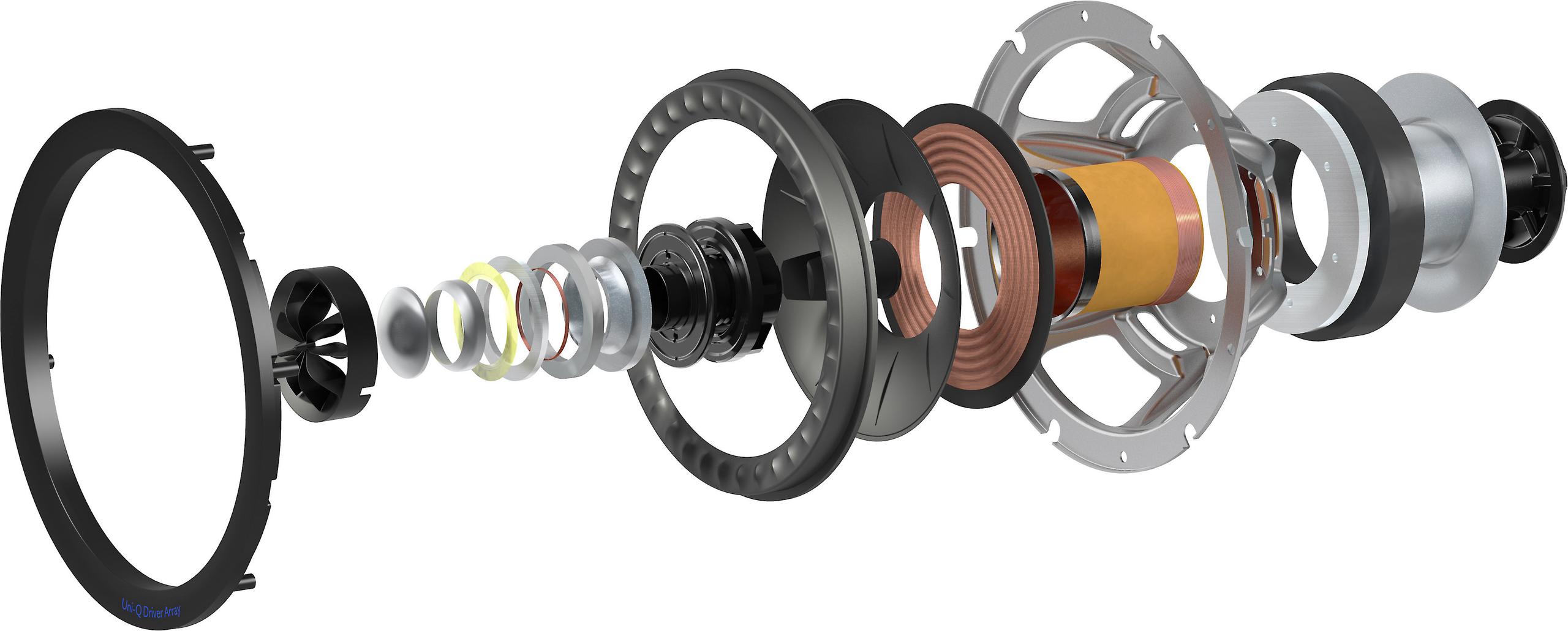
Both speakers feature KEF's signature Uni-Q driver array, which looks like a single speaker cone with a tweeter (for high frequencies) placed right in the center of the midrange/bass driver. Think of it like having a speaker within a speaker – this design helps music sound more natural because high and low frequencies come from the same point in space, just like they do with real instruments.
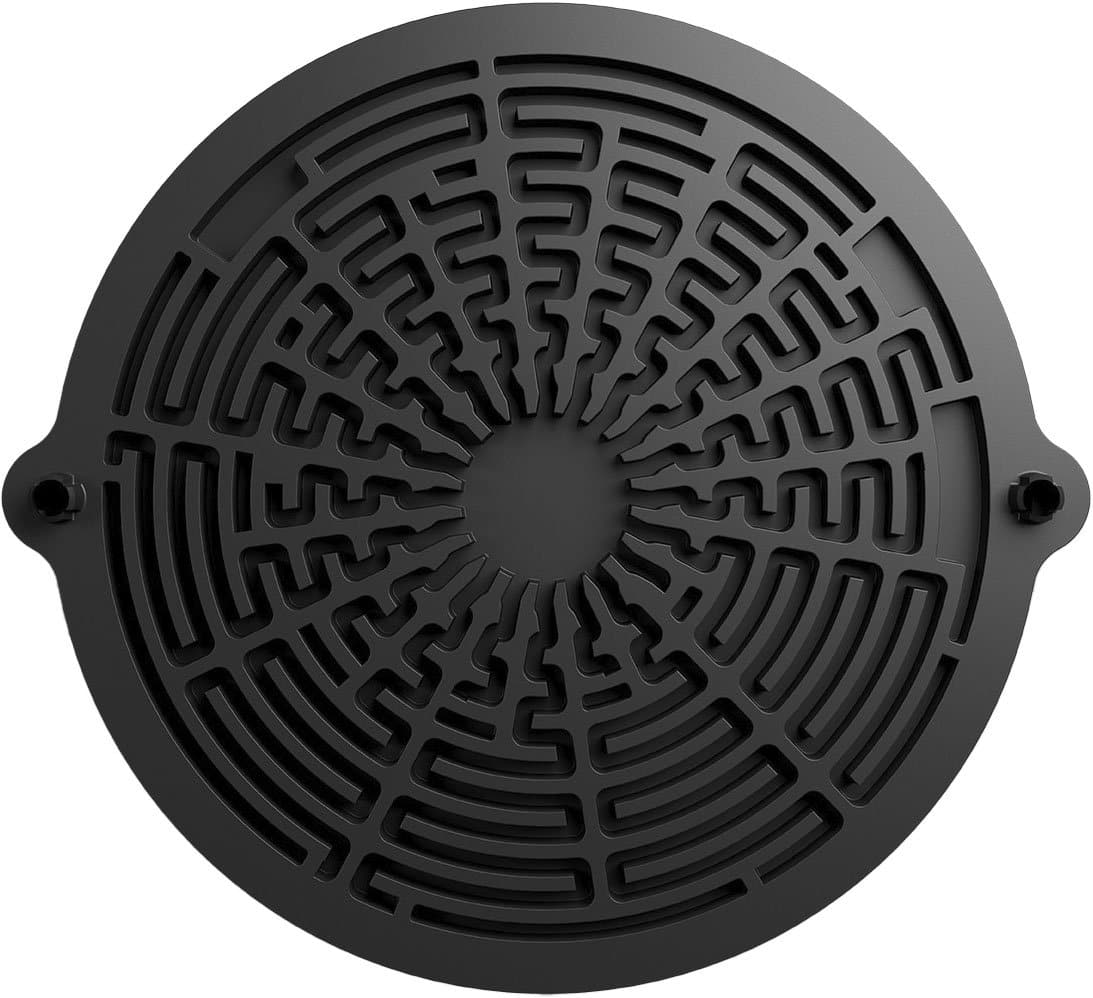
The Q1 Meta, released in 2023, introduces some significant advances over the Q150, which has been around since 2017:
In extended listening tests, both speakers showcase KEF's expertise in creating detailed, room-filling sound. Here's how they differ:
Both speakers work wonderfully in home theater setups, but there are some considerations:
I've spent considerable time with both speakers, and here's what stands out in daily use:
The Q1 Meta shows its advantages most clearly with high-resolution audio sources and well-recorded acoustic music. If you're streaming lossless audio from services like Apple Music or Tidal, or playing vinyl through a good turntable, you'll appreciate the extra clarity and precision.
The Q150 remains impressive, especially considering its price point. It's more forgiving with lower-quality recordings and still delivers the key benefits of KEF's design philosophy. For most listeners, especially in mixed-use scenarios (music, movies, gaming), the Q150 provides remarkable performance for the money.
Let's talk about bang for your buck:
Consider these factors when making your choice:
For most people, the KEF Q150 remains the smarter choice. It delivers 90% of the Q1 Meta's performance at roughly 60% of the cost. The money saved could go toward a good subwoofer, amplifier, or room treatment – all of which might have a bigger impact on overall sound quality.
Choose the Q1 Meta if:
Choose the Q150 if:
Remember, both speakers represent KEF's commitment to quality and will provide years of enjoyable listening. The choice ultimately comes down to your specific needs, budget, and how you plan to use them.
| KEF Q1 Meta ($899) | KEF Q150 ($599) |
|---|---|
| Driver Technology - The core component that creates the sound | |
| 12th Gen Uni-Q with MAT | Uni-Q (earlier generation, no MAT) |
| Power Handling - Determines compatibility with your amplifier | |
| 10-150W | 10-100W |
| Frequency Response - Indicates how deep the bass goes and overall tonal range | |
| 51Hz - 20kHz (±3dB) | 51Hz - 28kHz (±3dB) |
| Sensitivity - How efficiently the speaker converts power to volume | |
| 86dB | 86dB |
| Crossover Frequency - Lower usually means better integration between drivers | |
| 2.1kHz (newer design) | 2.5kHz (traditional design) |
| Maximum Output - Important for larger rooms or high volume listening | |
| 108dB | 106dB |
| Key Technology Features - Latest tech usually means better sound quality | |
| MAT, Shadow Flare, latest gen drivers | CFD port design, standard Uni-Q |
| Build Quality - Impacts longevity and sound quality | |
| Premium materials, enhanced bracing | Good materials, standard bracing |
| Typical Street Price - Consider if the upgrade is worth the difference | |
| $899 (rarely discounted) | $599 (often on sale for $350-400) |
| Best Use Case - Which scenarios each speaker excels in | |
| Critical listening, high-end systems | Excellent all-rounder, great value |
The KEF Q1 Meta typically costs $899, while the KEF Q150 lists at $599 but frequently goes on sale for $350-400, making it a more budget-friendly option.
Both have similar bass extension to 51Hz, but the Q1 Meta offers slightly tighter bass control. However, both speakers should be paired with a subwoofer for home theater use.
We've done our best to create useful and informative comparisons to help you decide what product to buy. Our research uses advanced automated methods to create this comparison and perfection is not possible - please contact us for corrections or questions. These are the sites we've researched in the creation of this article: musicdirect.com - us.kef.com - audiosciencereview.com - crutchfield.com - headphones.com - mx.kef.com - youtube.com - skybygramophone.com - us.kef.com - bestbuy.com - gearadical.com - us.kef.com - digitaltrends.com - crutchfield.com - audiosciencereview.com - ooberpad.com - bestbuy.com%20-%20Satin%20Black/5913623) - youtube.com - international.kef.com - youtube.com

Privacy Policy
Terms and Conditions - Affiliate Policy
Home Security
© Copyright 2008-2026.
11816 Inwood Rd #1211, Dallas, TX 75244