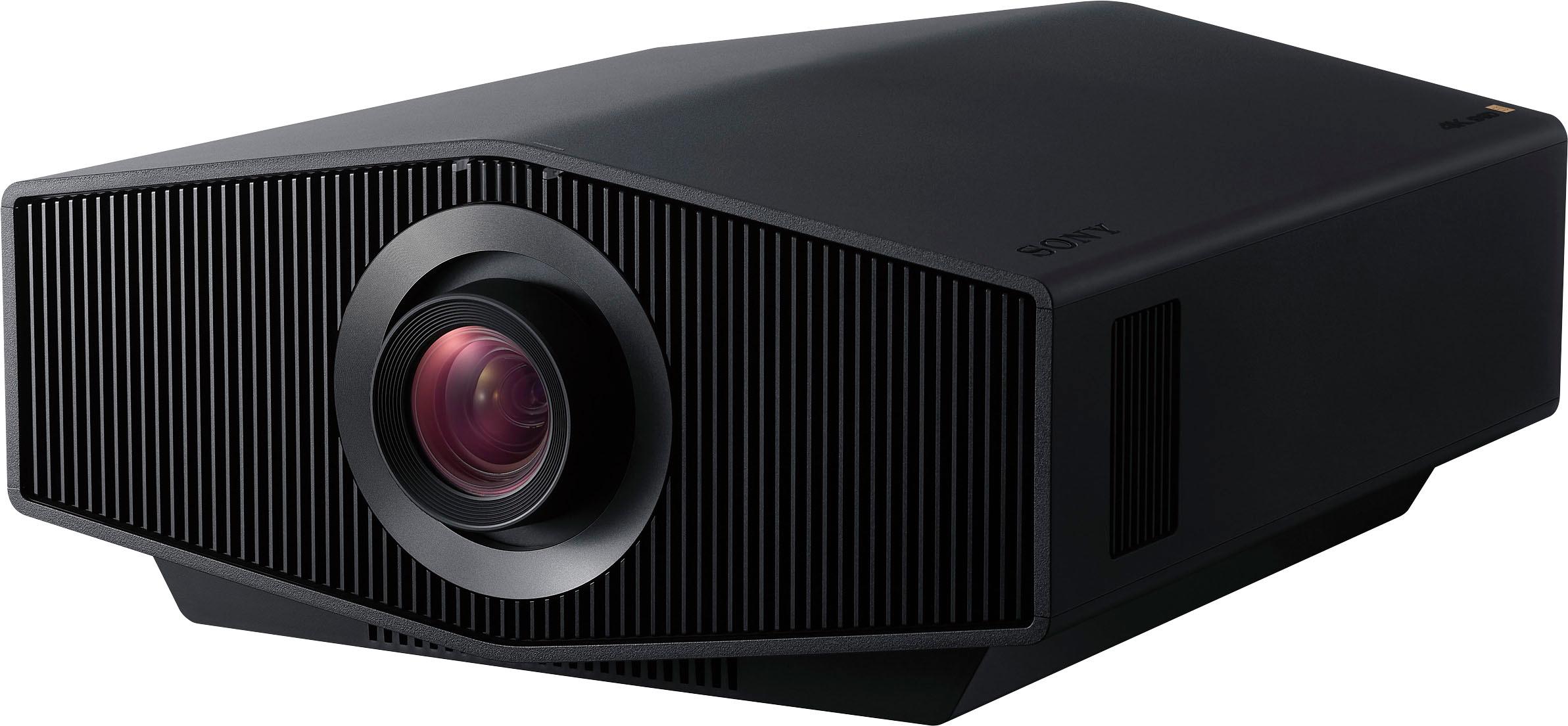
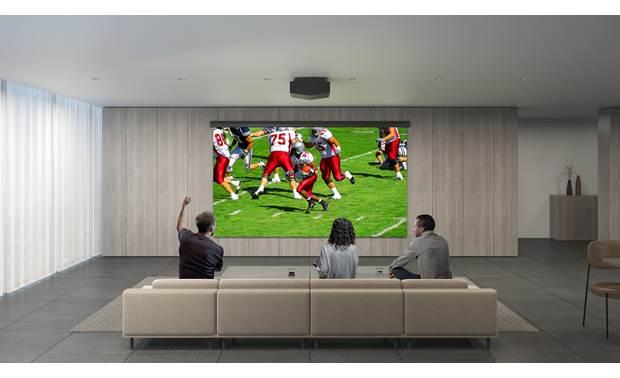
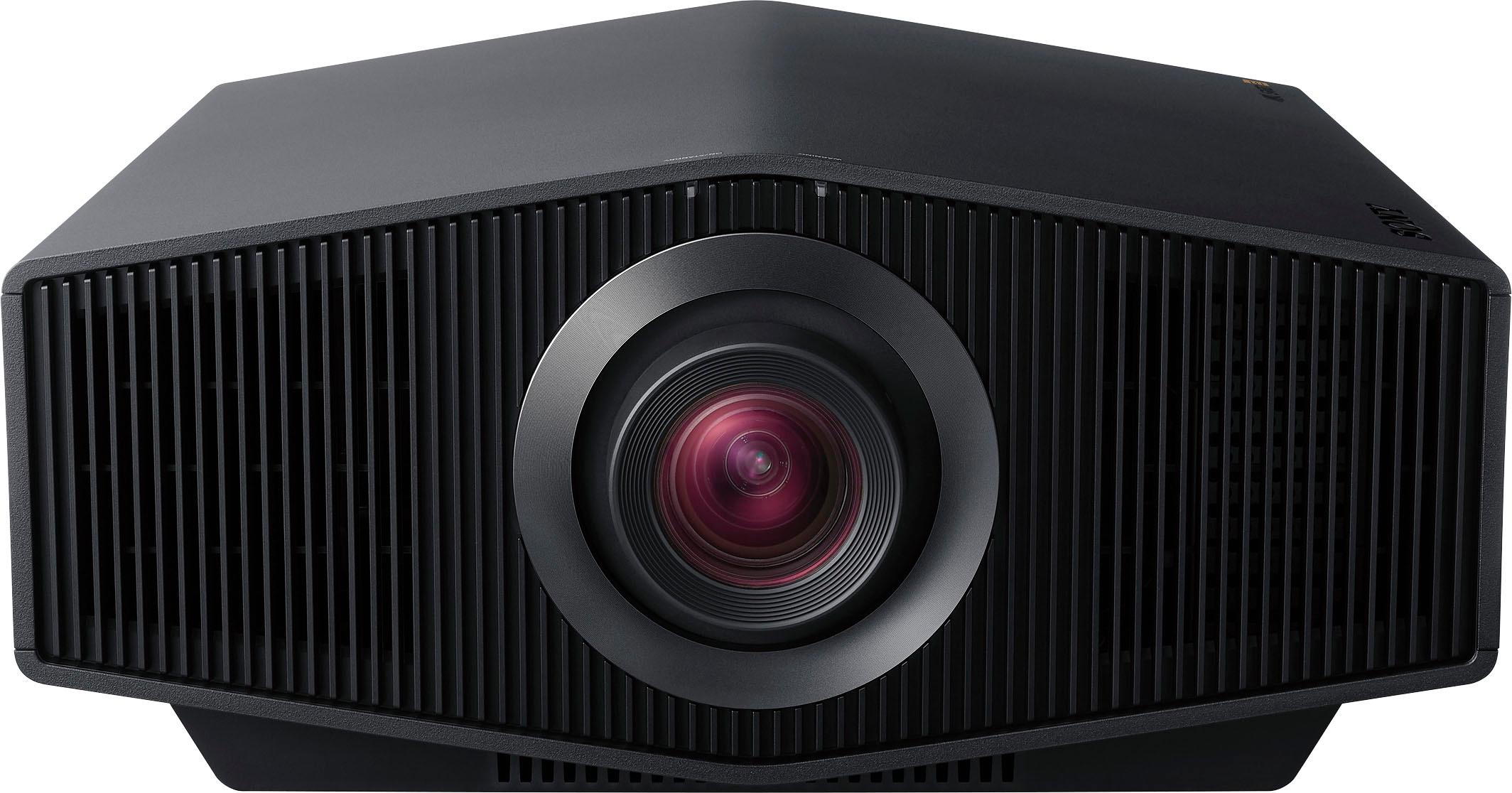
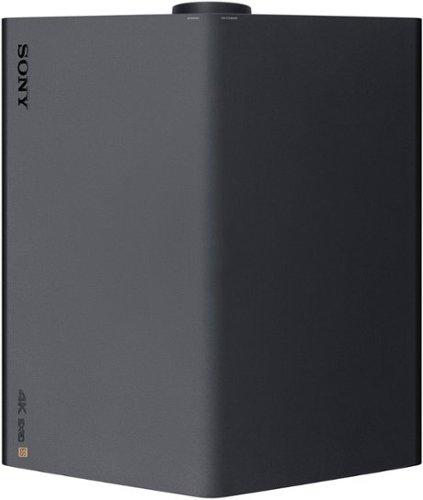
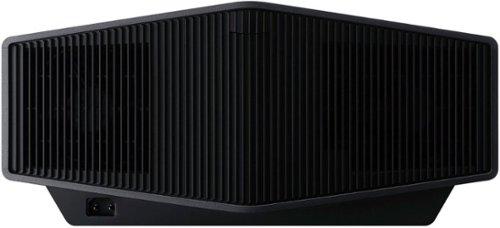
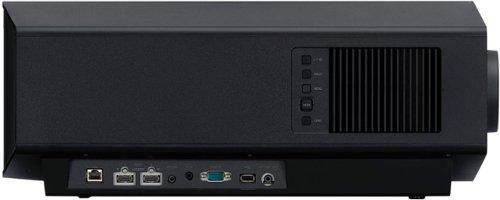
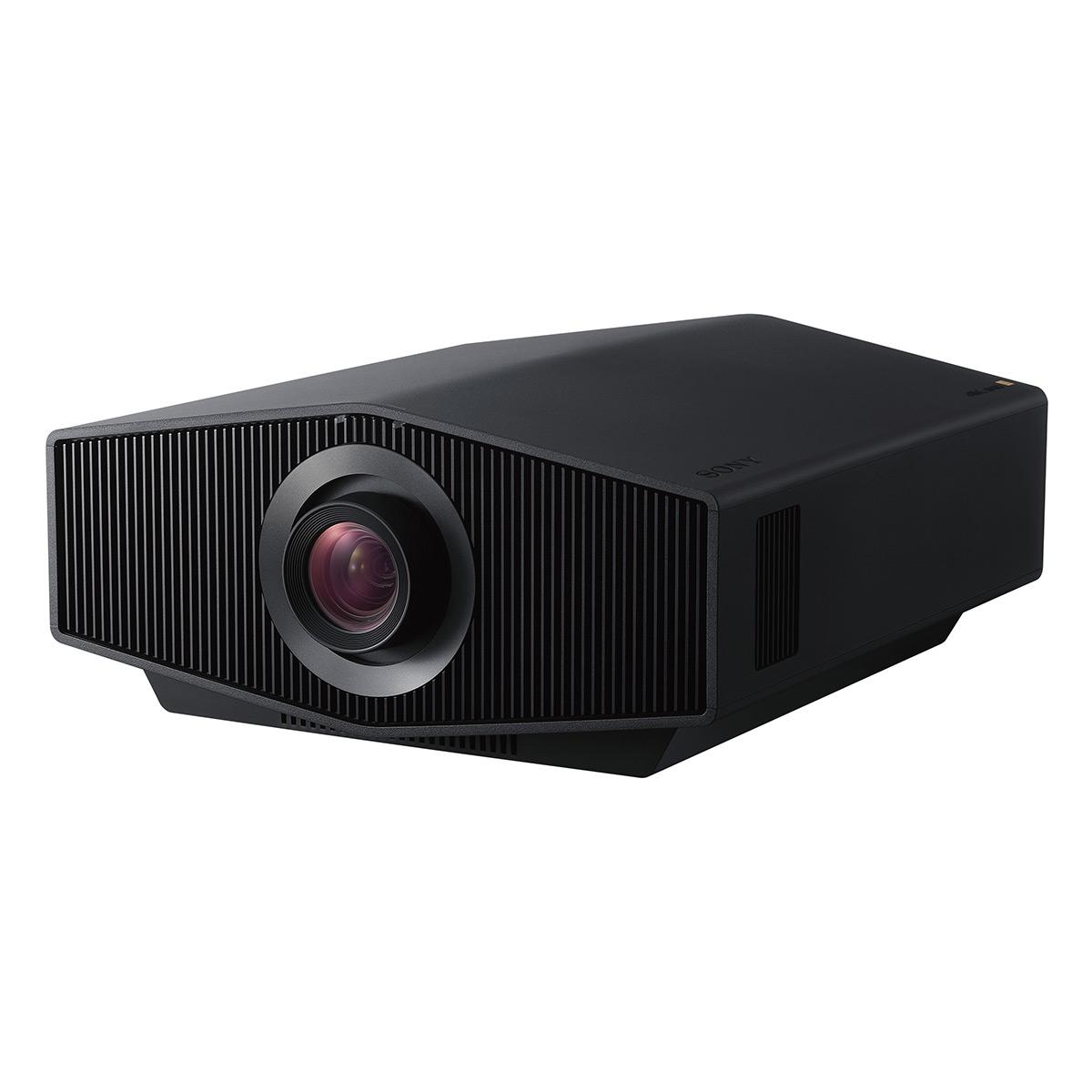
There's something magical about a proper home theater setup - that moment when you dim the lights and fire up a 100+ inch screen that rivals or surpasses your local cinema. Today we're comparing two of the most capable home theater projectors available: the JVC DLA-NX9 ($17,999) and Sony VPL-XW7000ES ($27,999). Let's explore how these flagship models stack up and help you decide which better suits your needs.
Home theater projectors at this level aren't just bigger and brighter - they're engineering marvels designed to deliver reference-quality images that approach theoretical limits of current display technology. We're talking about devices that can reproduce billions of colors with pinpoint accuracy, achieve extremely high contrast ratios, and display images at sizes that make your local multiplex jealous.
The JVC NX9 launched in late 2018 as JVC's flagship consumer projector, while the Sony XW7000ES debuted in 2022. Despite the age gap, both remain highly competitive, each with distinct advantages. Let's dive into what makes each special.
The JVC features native 4K resolution (4096 x 2160) with their innovative e-shift technology that simulates 8K by rapidly shifting pixels diagonally. While this isn't "true" 8K, it provides noticeably increased detail with 4K content. The processor analyses each frame to optimize this upscaling.
Sony's newer projector sticks with native 4K but incorporates their latest X1 Ultimate processor, originally developed for their high-end TVs. This chip provides exceptional real-time analysis and enhancement of 4K content, with particular strength in handling HDR material.
Real-world impact? Both produce extraordinarily sharp images, with the JVC having a slight edge in perceived detail on larger screens (120"+ diagonal). However, Sony's superior HDR processing often results in more dynamic-looking images with current content.
This is where things get interesting. The JVC NX9 uses their latest D-ILA technology (similar to LCOS) combined with a sophisticated iris system to achieve a measured native contrast ratio around 37,000:1. In practical terms, this means inky blacks and shadow details that make dark scenes look incredibly realistic.
The Sony employs their SXRD technology (Sony's version of LCOS) and while specific contrast measurements aren't published, real-world testing suggests native contrast around 20,000:1. Still excellent, but the JVC noticeably outperforms it in dark room conditions.
Here's where the newer Sony XW7000ES takes the lead. Its laser light source outputs 3,200 lumens compared to the JVC's 2,200 lumens. This difference is significant - it means the Sony can better handle rooms with ambient light and can drive larger screens while maintaining brilliant HDR highlights.
The laser source also means essentially zero maintenance for 20,000 hours, while the JVC's lamp will need replacement every 3,500-4,500 hours depending on usage mode.
Both projectors excel here, but in slightly different ways. The JVC covers 99.8% of the DCI-P3 color space (the standard for digital cinema), while the Sony manages 95%. However, Sony's latest color processing tends to produce more natural skin tones out of the box.
After professional calibration, both can achieve essentially perfect color accuracy. The JVC's wider gamut gives it a slight advantage with certain HDR content, but the difference is subtle.
If gaming is important to you, this comparison becomes clearer. The Sony was designed with gaming in mind, achieving just 21ms input lag at 4K/60Hz and supporting 4K/120Hz signals. The JVC's input lag is notably higher (around 40ms), making it less ideal for competitive gaming.
Both projectors offer powered lens shift, zoom, and focus with memory positions. The JVC provides slightly more lens shift range (±43% horizontal, ±100% vertical vs Sony's ±36% horizontal, ±85% vertical), making it more flexible for challenging installations.
The Sony's more compact size and lighter weight can make installation easier, especially in smaller rooms. Both projectors offer extensive calibration controls and support professional calibration software.
Despite being older, the JVC NX9 remains competitive and offers compelling value at $18,000. Its 8K e-shift capability provides some future-proofing, and its contrast performance remains unmatched in this price range.
The Sony XW7000ES asks a significant premium at $28,000 but justifies it with newer technology, maintenance-free operation, higher brightness, and better gaming support. The laser light source alone can save several thousand dollars in lamp replacements over the projector's lifetime.
Choose the JVC if:
Choose the Sony if:
Having spent time with both projectors, I can share some practical observations. The JVC's superior contrast is immediately noticeable in dark scenes - star fields look more realistic, and shadow details pop with remarkable dimensionality. However, the Sony's higher brightness and excellent HDR processing make bright scenes more impactful, especially in rooms that aren't completely dark.
For movie enthusiasts with dedicated theater rooms, the JVC's contrast advantage might be worth prioritizing. For mixed-use spaces or scenarios where gaming is important, the Sony's versatility makes it more compelling despite the higher price.
Both projectors represent the pinnacle of home theater technology, and either can deliver a truly cinema-quality experience. The choice ultimately comes down to your specific needs, room conditions, and budget considerations.
| JVC DLA-NX9 ($17,999) | Sony VPL-XW7000ES ($27,999) |
|---|---|
| Resolution & Processing - Determines image clarity and detail | |
| 4K native with 8K e-shift (8192 x 4320) | Native 4K (3840 x 2160) with X1 Ultimate processor |
| Brightness - Critical for screen size and ambient light handling | |
| 2,200 lumens (lamp-based) | 3,200 lumens (laser-based) |
| Contrast Ratio - Affects black levels and image depth | |
| 37,000:1 native, 1,000,000:1 dynamic | ~20,000:1 native (estimated), ∞:1 dynamic claimed |
| Color Coverage - Determines color vibrancy and accuracy | |
| 99.8% DCI-P3 | 95% DCI-P3 |
| Light Source Lifespan - Impacts long-term ownership costs | |
| 3,500-4,500 hours (replaceable lamp) | 20,000 hours (maintenance-free laser) |
| Gaming Performance - Important for interactive content | |
| ~40ms input lag at 4K/60Hz | 21ms input lag at 4K/60Hz, 13ms at 2K/120Hz |
| Lens Shift Range - Affects installation flexibility | |
| Horizontal ±43%, Vertical ±100% | Horizontal ±36%, Vertical ±85% |
| HDR Support - Crucial for latest content | |
| HDR10, HDR10+ with Frame Adapt | HDR10 with Dynamic HDR Enhancer |
| Special Features - Unique capabilities | |
| 8K e-shift technology, THX certification | IMAX Enhanced, Object-based HDR remaster |
| Size and Weight - Installation considerations | |
| 24 x 50 x 52 cm, 21.8 kg | 20% smaller volume, 30% lighter |
| Cooling Noise - Affects viewing experience | |
| 31dB (High lamp mode) | 26dB (Standard mode) |
For dedicated home theaters, the JVC DLA-NX9 ($17,999) has superior contrast and black levels, making it ideal for dark room viewing. However, the Sony VPL-XW7000ES ($27,999) offers better brightness and gaming performance, making it more versatile for mixed-use spaces.
The JVC NX9 costs $17,999, while the Sony XW7000ES is priced at $27,999, a $10,000 difference. The price gap reflects the Sony's newer technology and laser light source.
Both offer exceptional image quality, but in different ways. The JVC NX9 provides better contrast and 8K e-shift technology, while the Sony XW7000ES delivers higher brightness and superior HDR processing.
The Sony XW7000ES is significantly better for gaming with 21ms input lag at 4K/60Hz, compared to the JVC NX9's approximately 40ms input lag.
The Sony XW7000ES uses a laser light source rated for 20,000 hours of maintenance-free operation. The JVC NX9 uses a replaceable lamp lasting 3,500-4,500 hours.
The Sony XW7000ES with 3,200 lumens performs better in rooms with ambient light compared to the JVC NX9's 2,200 lumens.
Both projectors work well with high-quality home theater screens, but the Sony XW7000ES might perform better with ambient light rejecting screens due to its higher brightness.
Both offer excellent color accuracy after calibration, but the JVC NX9 covers slightly more of the DCI-P3 color space (99.8% vs 95%).
Both offer powered lens shift and zoom, but the JVC NX9 has a wider adjustment range. The Sony XW7000ES is physically smaller and lighter, potentially making installation easier.
Yes, both support 4K content, with the JVC NX9 offering additional 8K e-shift technology, while the Sony XW7000ES focuses on superior 4K processing.
The Sony XW7000ES operates at 26dB in standard mode, while the JVC NX9 runs at 31dB in high lamp mode, making the Sony slightly quieter.
The Sony XW7000ES requires minimal maintenance with its laser light source. The JVC NX9 needs lamp replacements every 3,500-4,500 hours, costing several hundred dollars each time.
We've done our best to create useful and informative comparisons to help you decide what product to buy. Our research uses advanced automated methods to create this comparison and perfection is not possible - please contact us for corrections or questions. These are the sites we've researched in the creation of this article: avnirvana.com - crutchfield.com - htmarket.com - youtube.com - soundandvision.com - projectorcentral.com - jvc.com - projectorscreen.com - projectorcentral.com - jvc.com - highdefdigest.com - eu.jvc.com - whathifi.com - electronics.sony.com - us.puretheatre.com - pro.sony - stereonet.com - pro.sony - valueelectronics.com - projectorreviews.com - pro.sony - leisuretheory.com


Privacy Policy
Terms and Conditions - Affiliate Policy
Home Security
© Copyright 2008-2026.
11816 Inwood Rd #1211, Dallas, TX 75244