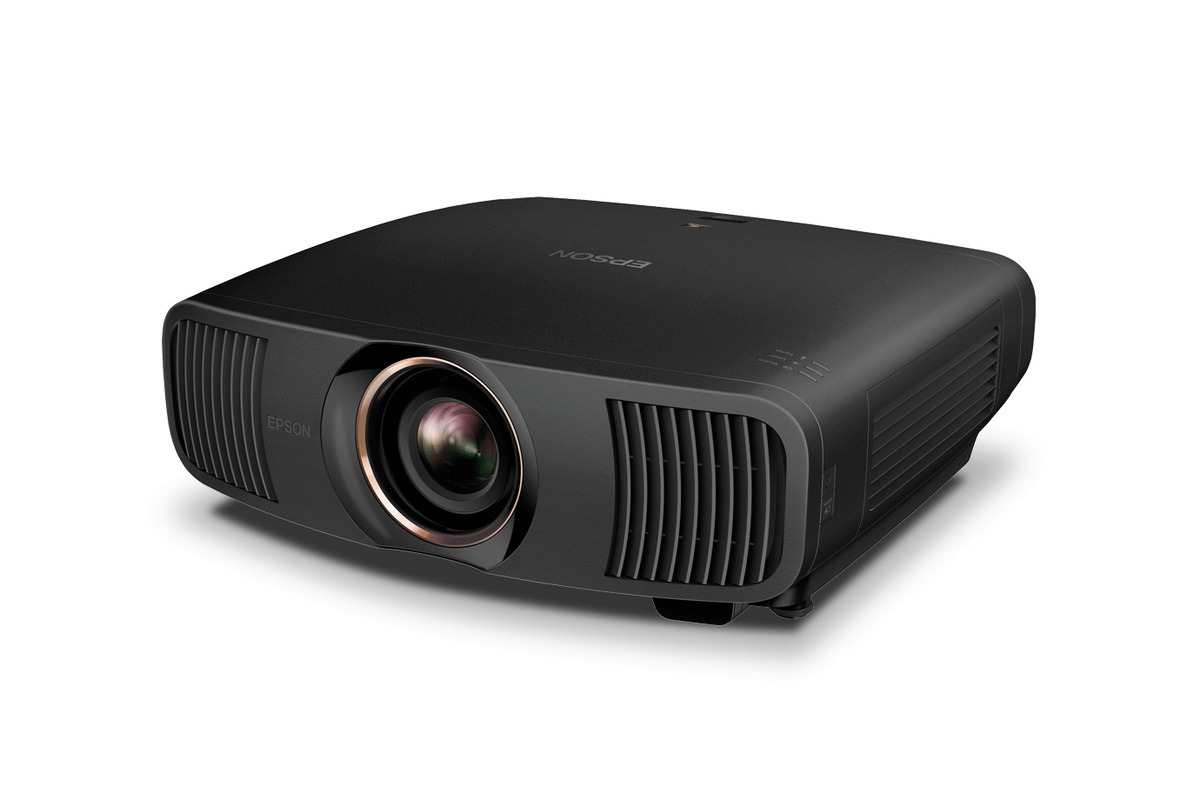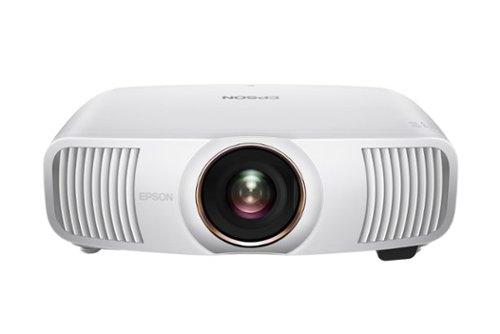
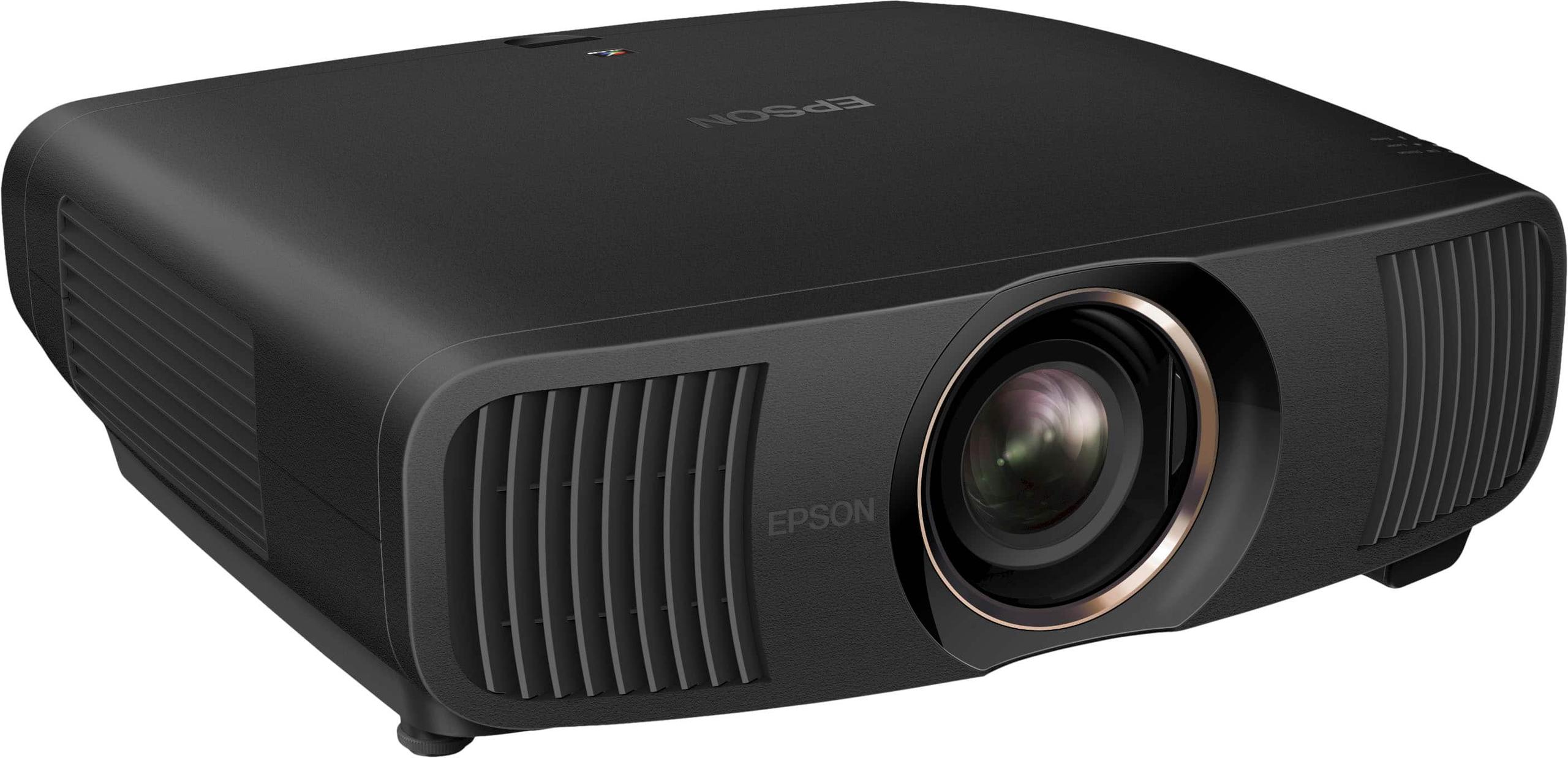

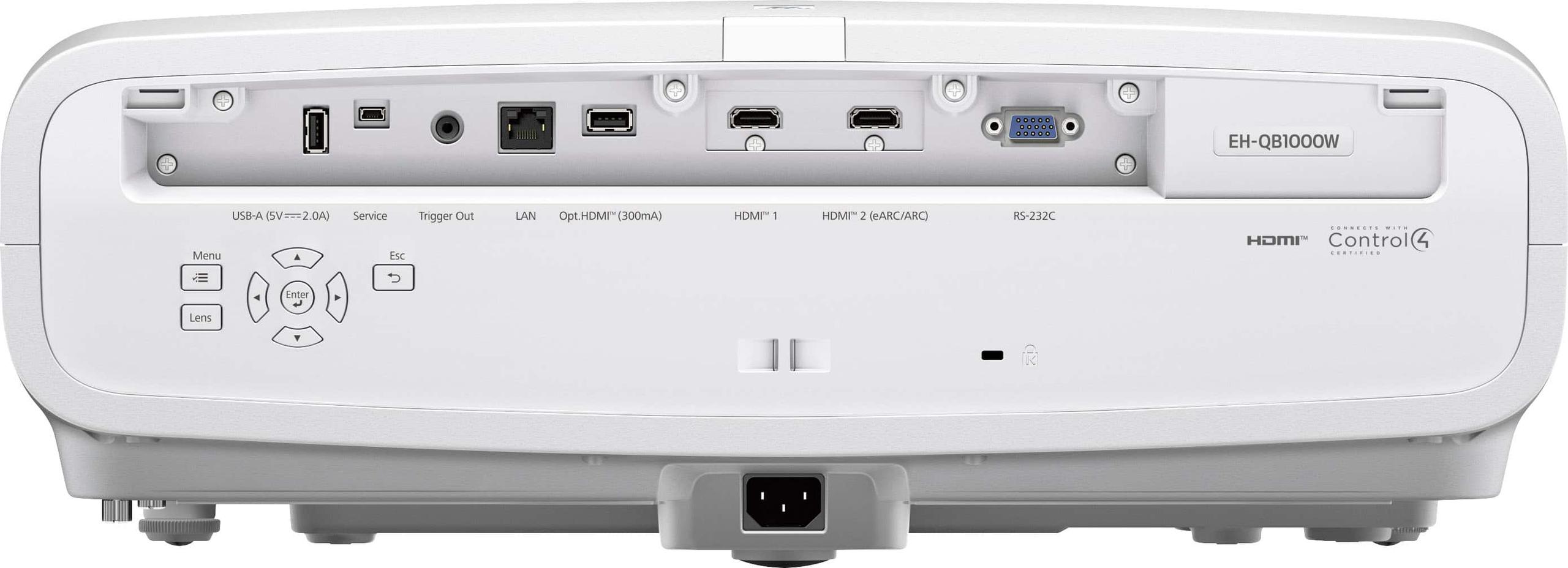
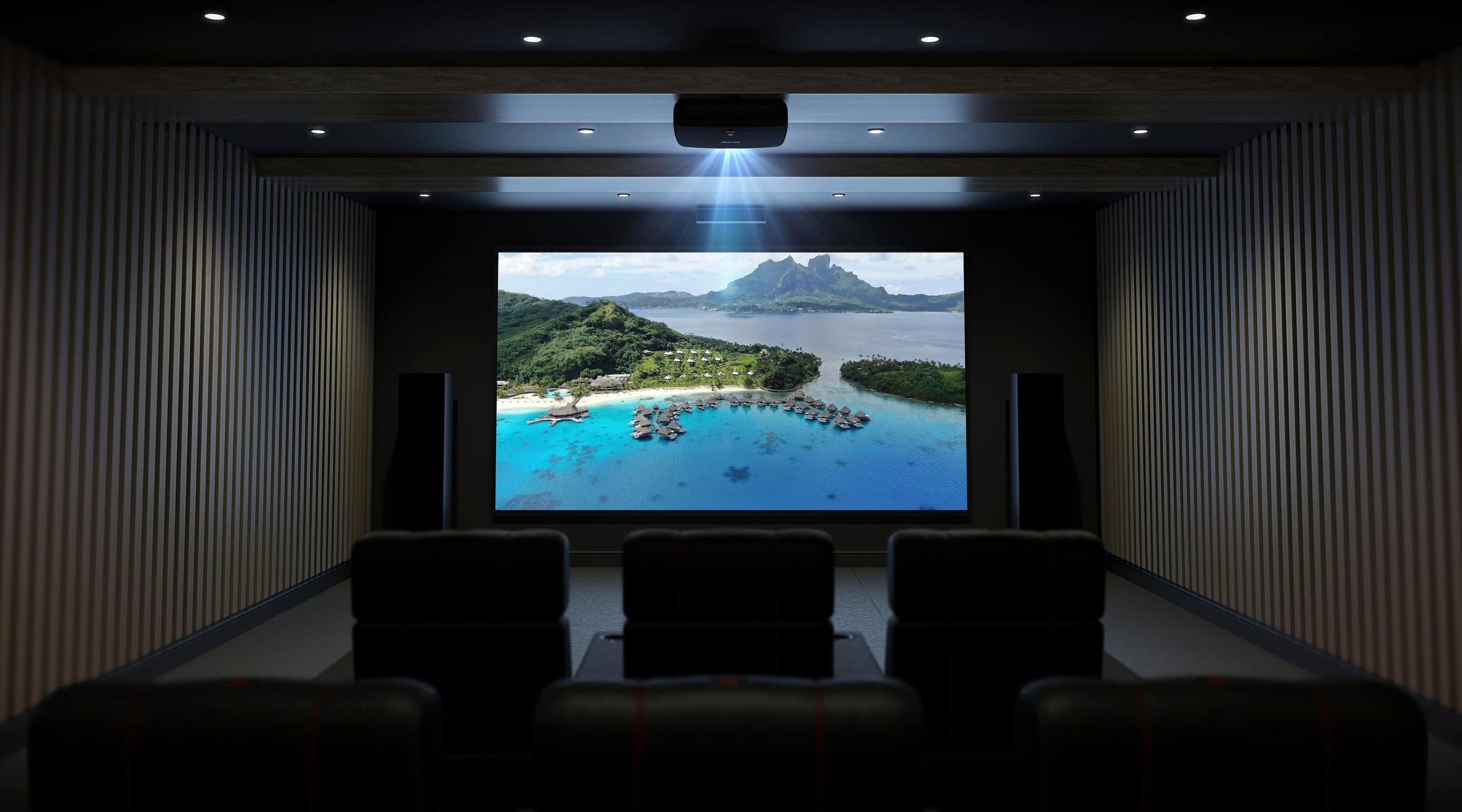
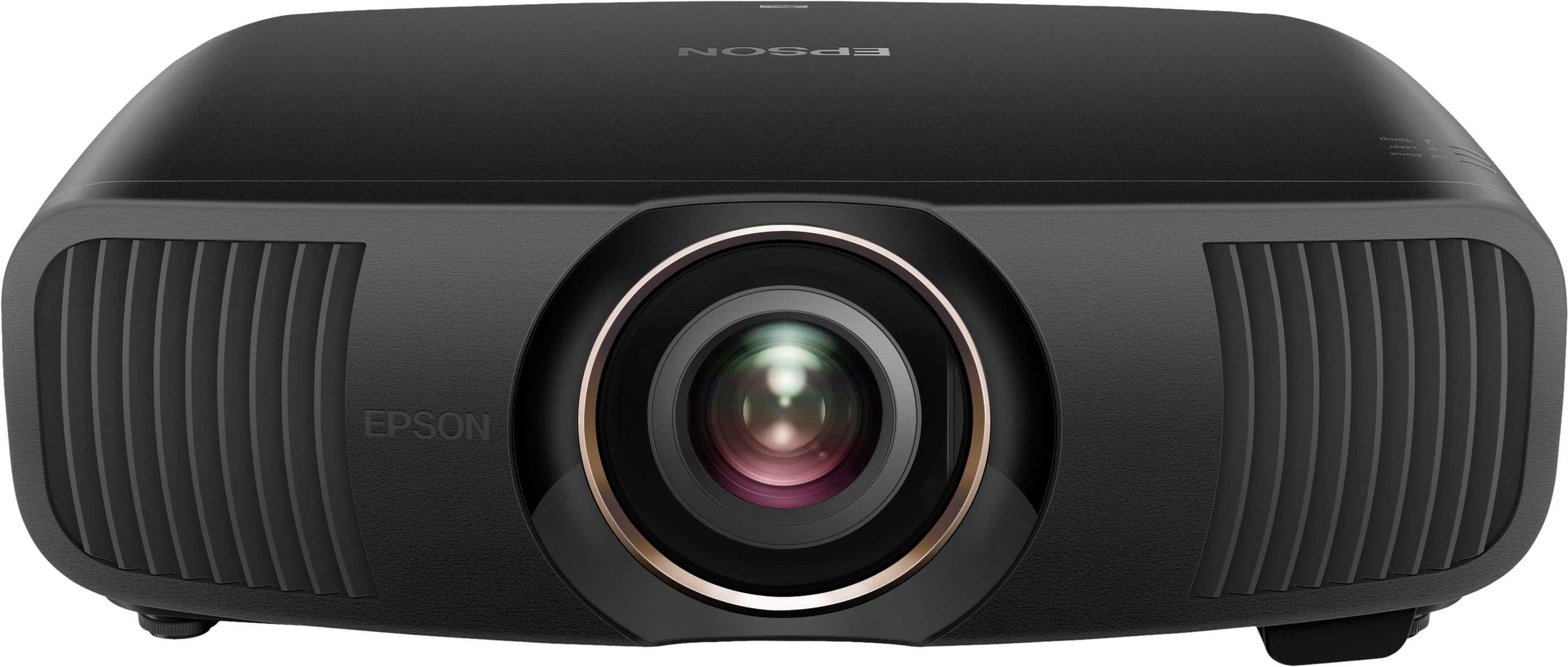
When you're ready to build a serious home theater setup, few decisions matter more than choosing the right projector. Today we're comparing two high-end options: the JVC DLA-NX9 ($17,999) and the Epson QB1000 ($7,999). These projectors represent different approaches to achieving stunning home theater performance, each with distinct advantages.
Home theater technology has evolved dramatically in recent years. While 4K resolution was once the gold standard, we're now seeing 8K capabilities and advanced HDR (High Dynamic Range) processing that can deliver incredibly lifelike images. The key factors that separate premium projectors from mid-range options are:
The JVC DLA-NX9, released in 2018, uses JVC's proprietary D-ILA technology (their version of LCoS - Liquid Crystal on Silicon) combined with an innovative 8K e-shift system. This system physically shifts pixels diagonally by half a pixel to quadruple the effective resolution. While it can't accept native 8K input, it creates an incredibly sharp image from 4K sources.
The newer Epson QB1000 takes a different approach, using a 3LCD system with a laser light source. The 3LCD technology splits light into three primary colors, each getting its own LCD panel, before recombining them. This eliminates the "rainbow effect" sometimes seen in single-chip projectors and provides consistent color brightness.
The NX9's 8K e-shift technology is impressive, but in real-world viewing, the difference between it and the QB1000's native 4K isn't as dramatic as the numbers might suggest. What matters more is how each handles the content we actually watch today:
This is where the NX9 really shines. Its native contrast ratio exceeds 100,000:1, with dynamic contrast reaching 1,000,000:1. In practical terms, this means:
The QB1000, while still excellent, can't quite match these numbers. However, its laser light source provides more consistent contrast over time compared to the NX9's lamp-based system.
The QB1000 takes the lead in brightness, offering 3,300 lumens compared to the NX9's 2,200. This makes the Epson more versatile for:
Color performance is outstanding on both units, but they achieve it differently:
High Dynamic Range content has become increasingly important, and both projectors handle it well:
The NX9 features:
The QB1000 offers:
In a controlled, dark environment, the JVC NX9 delivers a truly reference-quality experience. Its superior contrast and black levels create an image that rivals high-end commercial theaters. The e-shift technology, combined with JVC's excellent optics, produces incredibly sharp images without any visible pixel structure, even on large screens.
The Epson QB1000 proves more versatile in less-than-ideal conditions. Its higher brightness and laser light source make it better suited for:
While both projectors can handle gaming, the QB1000's newer HDMI 2.1 support and lower input lag make it the better choice for serious gamers. It supports:
The technology gap between these projectors' release dates shows in their maintenance requirements:
NX9:
QB1000:
The decision between these projectors largely comes down to your specific needs and environment:
Choose the JVC NX9 if:
Choose the Epson QB1000 if:
Both projectors represent excellent choices in their respective price brackets. The NX9 remains the image quality champion, particularly in optimal conditions, while the QB1000 offers tremendous value and more practical features for many users.
Remember that your room conditions and viewing habits should heavily influence your choice. The best projector is the one that works best in your specific situation, not necessarily the one with the highest specifications.
| JVC DLA-NX9 ($17,999) | Epson QB1000 ($7,999) |
|---|---|
| Resolution - Impacts overall image clarity and detail | |
| 8K with e-shift (4K native upscaled) | Native 4K (3840 x 2160) |
| Light Source - Affects maintenance and longevity | |
| 265W NSH lamp (3,500-4,500 hour life) | Laser array (20,000 hour life) |
| Brightness - Critical for room versatility | |
| 2,200 lumens (best for dedicated theaters) | 3,300 lumens (works in varied lighting) |
| Contrast Ratio - Determines black level performance | |
| 1,000,000:1 dynamic (industry-leading) | Not specified (estimated 200,000:1) |
| HDR Support - Impacts color and dynamic range | |
| HDR10, HLG with Frame Adapt HDR | HDR10+, Dolby Vision compatible |
| Color Processing - Affects color accuracy | |
| 100% DCI-P3 with cinema filter | 3LCD system with wide color gamut |
| Gaming Features - Important for responsiveness | |
| Basic 4K/60Hz support | 4K/120Hz, ALLM, <20ms input lag |
| Lens System - Affects installation flexibility | |
| 100mm all-glass lens (±43% H, ±100% V shift) | Powered lens (±47% H, ±96% V shift) |
| Technology Platform - Core projection method | |
| D-ILA (3-chip) with 8K e-shift | 3LCD with laser array |
| Operating Cost - Long-term ownership expense | |
| Lamp replacements needed ($400-500 each) | Maintenance-free laser source |
| Best Use Case - Primary application | |
| Dedicated home theaters, critical viewing | Versatile spaces, gaming, bright rooms |
The JVC DLA-NX9 ($17,999) offers superior contrast and black levels, making it better for dedicated home theaters. However, the Epson QB1000 ($7,999) provides excellent performance at less than half the price and may be sufficient for most users.
The main difference is their light source and resolution technology. The JVC NX9 uses a lamp with 8K e-shift technology, while the Epson QB1000 features a maintenance-free laser source with native 4K resolution.
The Epson QB1000 is brighter with 3,300 lumens compared to the JVC NX9's 2,200 lumens, making it better for rooms with ambient light.
For most users, the difference between the JVC NX9's 8K e-shift and the Epson QB1000's 4K resolution isn't significant enough to justify the price difference, especially since most content is still 4K or lower.
The Epson QB1000 has a 20,000-hour laser light source requiring no maintenance, while the JVC NX9 needs lamp replacement every 3,500-4,500 hours.
The Epson QB1000 is better for gaming with 4K/120Hz support and lower input lag, while the JVC NX9 is limited to 4K/60Hz.
The JVC NX9 performs best in a dark, dedicated theater room, while the Epson QB1000 works well in both dark and moderately lit rooms.
Both offer excellent color, but the JVC NX9 has slightly better color accuracy with 100% DCI-P3 coverage, while the Epson QB1000 provides consistently bright colors through its 3LCD system.
Both projectors offer powered lens shift and zoom, but the Epson QB1000 is generally easier to maintain due to its laser light source compared to the JVC NX9's lamp system.
The JVC NX9 offers superior HDR performance due to its higher contrast ratio, though the Epson QB1000 supports more HDR formats including HDR10+.
The Epson QB1000 has virtually no maintenance costs, while the JVC NX9 requires lamp replacements costing $400-500 every few years.
The Epson QB1000 offers better value for most users with its laser source and modern features, while the JVC NX9 is for enthusiasts who demand the absolute best image quality regardless of cost.
We've done our best to create useful and informative comparisons to help you decide what product to buy. Our research uses advanced automated methods to create this comparison and perfection is not possible - please contact us for corrections or questions. These are the sites we've researched in the creation of this article: avnirvana.com - crutchfield.com - htmarket.com - youtube.com - soundandvision.com - projectorcentral.com - jvc.com - projectorscreen.com - projectorcentral.com - jvc.com - highdefdigest.com - eu.jvc.com - bestbuy.com - news.epson.com - projectorcentral.com - avscience.com - projectorscreen.com - epson.com - dreamediaav.com - epson.ca - epson.com - bestbuy.com - hifiheaven.net - bjorns.com - thepowercentre.ca - audiogeneral.com


Privacy Policy
Terms and Conditions - Affiliate Policy
Home Security
© Copyright 2008-2026.
11816 Inwood Rd #1211, Dallas, TX 75244