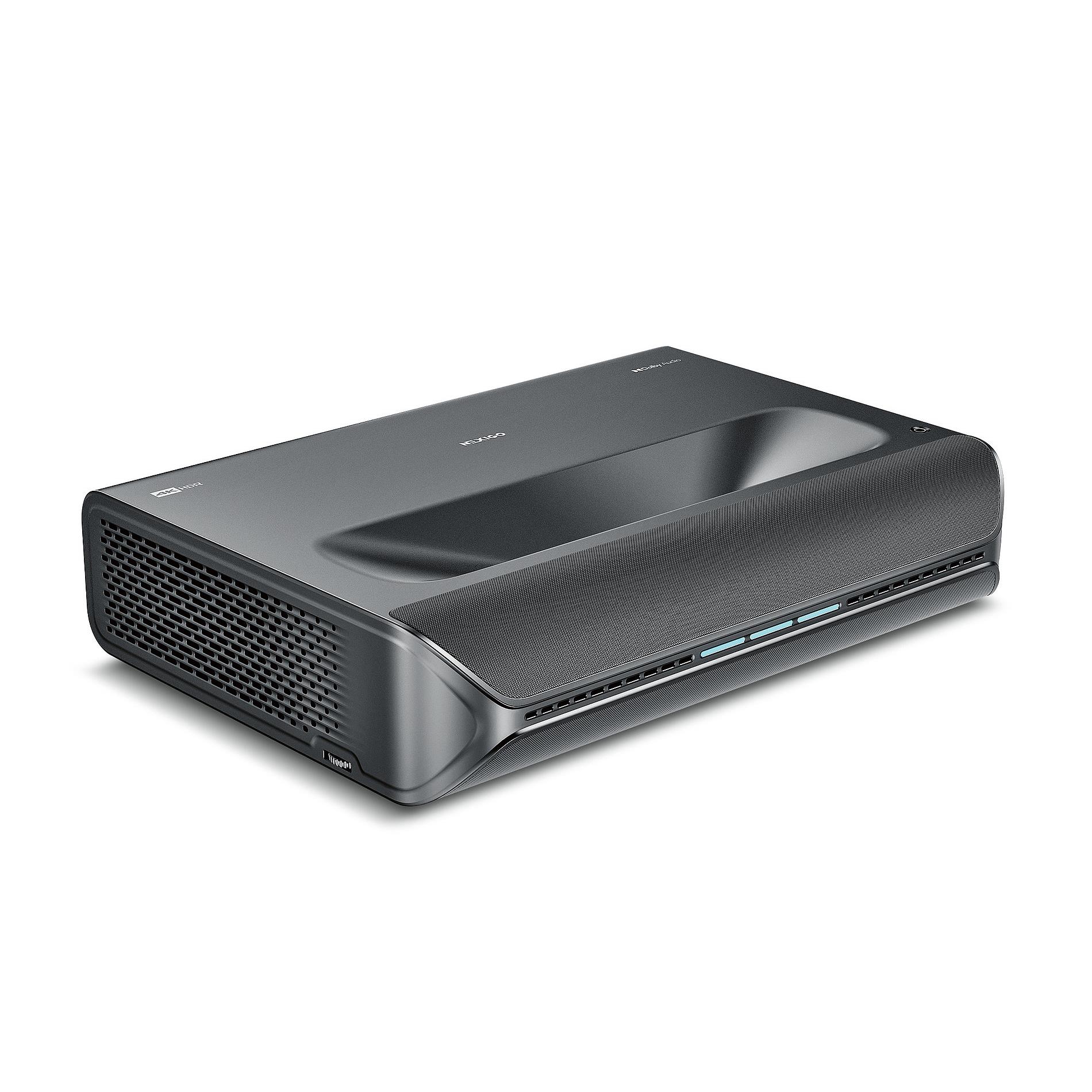
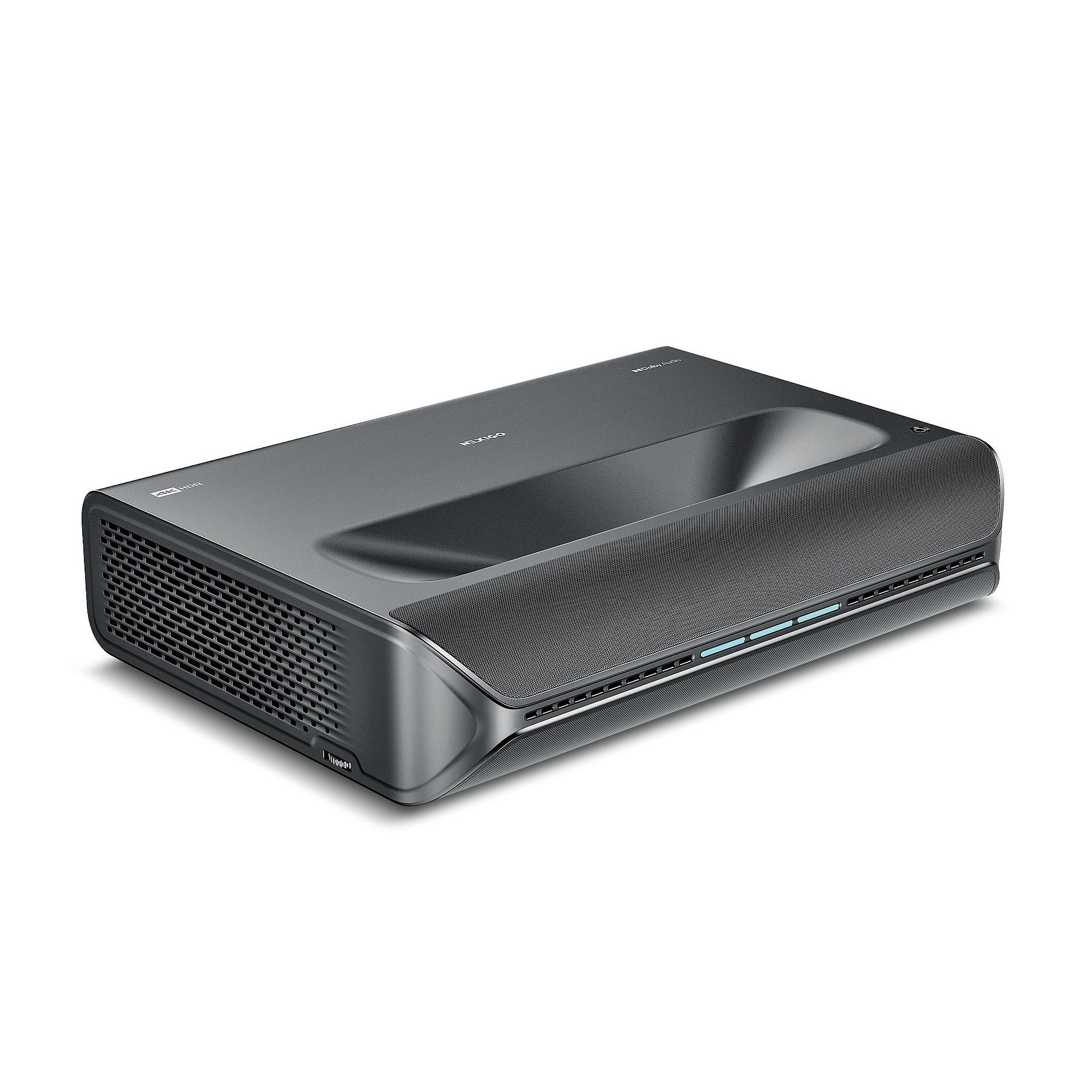
When it comes to creating a theater-like experience at home, Ultra Short Throw (UST) projectors have revolutionized what's possible. Today, we're comparing two leading options: the Formovie Theater ($2,999) and the NexiGo Aurora Pro ($2,999), both representing the cutting edge of home projection technology.
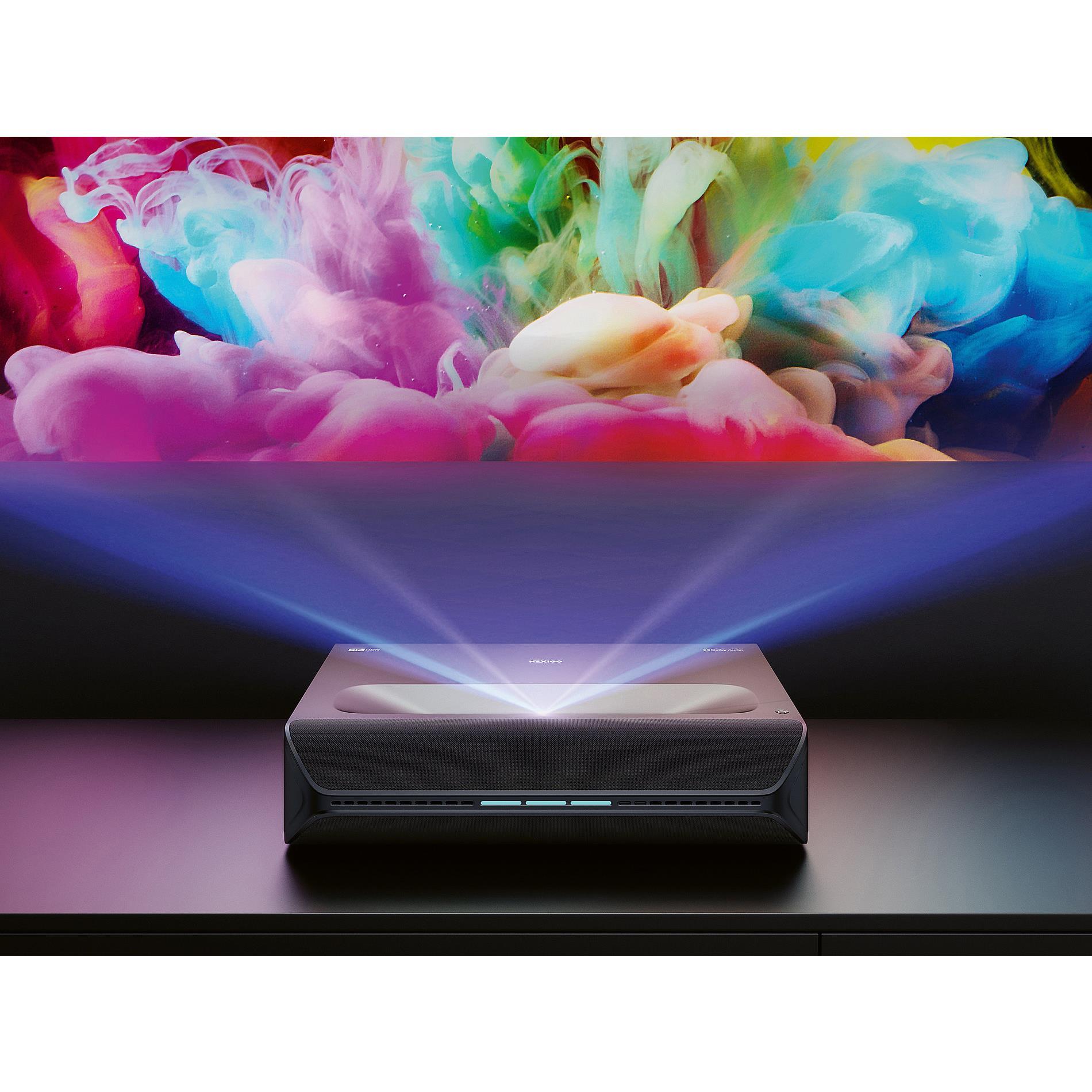
Unlike traditional projectors that need significant distance from the screen, UST projectors sit just inches from your wall. This technological advancement has made it possible to replace large TVs with massive 100"+ screens without reorganizing your entire room. Both projectors we're examining use triple laser technology (instead of traditional lamps), which provides superior color accuracy and eliminates the need for regular bulb replacements.
The Formovie Theater and NexiGo Aurora Pro both deliver impressive image quality, but they take slightly different approaches. The Formovie uses ALPD 4.0 technology with 1800 ISO lumens, while the NexiGo pushes brightness higher with 2400 ANSI lumens. What does this mean in real-world use? The NexiGo handles bright room viewing better, but the Formovie delivers more accurate colors out of the box.
Both projectors support HDR10+ and Dolby Vision, which enhance contrast and color in supported content. HDR (High Dynamic Range) makes bright areas brighter and dark areas darker, creating a more lifelike image. In testing, the Formovie shows slightly better black levels in dark scenes, while the NexiGo delivers more punch in bright scenes.
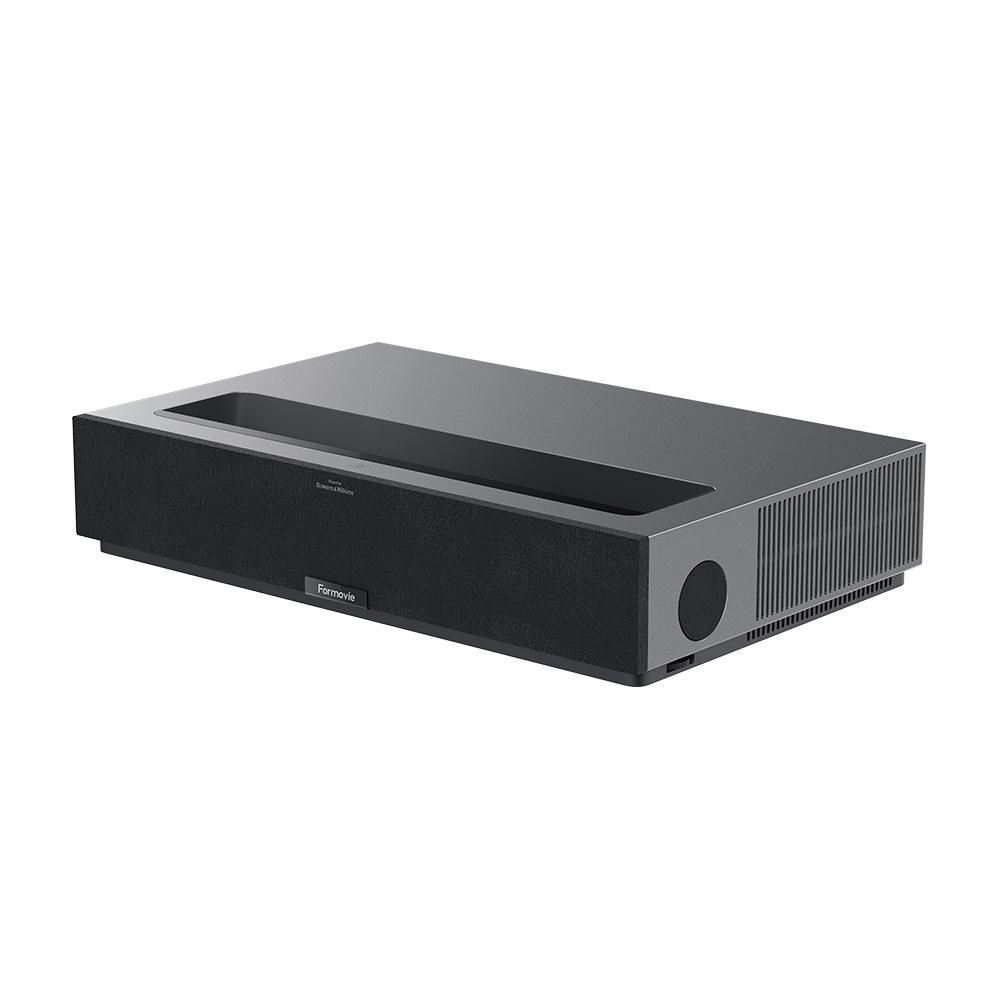
Color coverage is impressive on both units, with each hitting 107% of the BT.2020 color space. This means they can display more colors than even high-end TVs, though the Formovie's color accuracy is notably better after professional calibration.
Here's where we see a significant difference. The NexiGo Aurora Pro is clearly designed with gamers in mind, offering:
The Formovie Theater, while excellent for movies, shows its limitations with:

For competitive gamers or anyone sensitive to input lag (the delay between pressing a button and seeing the action on screen), the NexiGo is the clear choice. The difference is particularly noticeable in fast-paced games like first-person shooters or racing games.
Sound quality often gets overlooked in projector comparisons, but it's crucial for the overall experience. The Formovie partners with renowned audio company Bowers & Wilkins for its speaker system, delivering 30W of refined, balanced sound. The NexiGo counters with a more powerful 60W system that gets louder but lacks the same refinement.
In practical terms:
For serious home theater enthusiasts, you'll likely want to pair either projector with a dedicated sound system, but the Formovie's built-in audio is more satisfying for casual viewing.

Both projectors run Android TV, providing access to most streaming services and apps. However, Netflix requires some workarounds on both units - a common issue with projectors. The interfaces are similar, though the Formovie's implementation feels more polished and responsive.
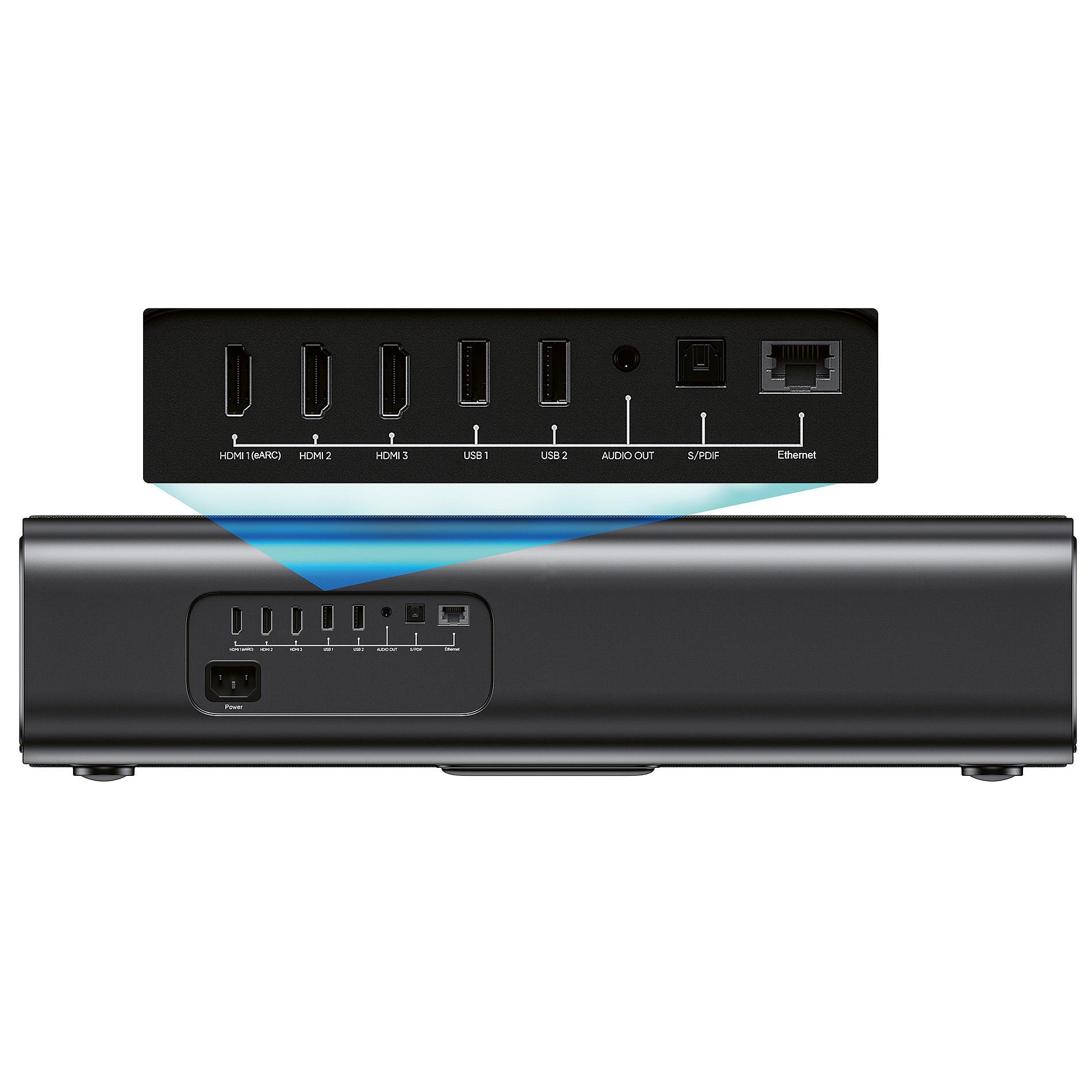
Connectivity options include:
The NexiGo's HDMI 2.1 ports future-proof it for upcoming gaming consoles and high-bandwidth content.

At identical price points ($2,999), choosing between these projectors comes down to use case rather than budget. The Formovie, released in mid-2022, has established itself as a reliable performer with superior picture quality. The newer NexiGo brings updated gaming features and higher brightness but sacrifices some refinement in color accuracy and audio quality.
In a dedicated home theater setting, the Formovie Theater edges ahead with its superior color accuracy and better contrast in dark scenes. However, in a bright living room or mixed-use space, the NexiGo Aurora Pro's additional brightness proves valuable.
For gaming setups, the NexiGo's lower input lag and higher refresh rate support make it the obvious choice. The difference in responsiveness is immediately noticeable, especially in competitive games.
Consider your primary use case:
For Movie Enthusiasts:
For Gamers:
For Bright Room Use:
For Home Theater Purists:
Since the Formovie's release in 2022, we've seen improvements in gaming features and brightness levels, which the NexiGo incorporates. However, the Formovie's core strength in image quality remains competitive, showing how well-engineered its original design was.
Both projectors represent excellent value in the UST market, but they target slightly different users. The Formovie Theater excels as a dedicated home theater projector with superior image quality and refined audio. The NexiGo Aurora Pro offers more versatility with its gaming features and brighter image, making it better suited for multi-purpose rooms.
For most users focused on movie watching in controlled lighting, the Formovie remains the top choice. However, if gaming is a priority or you need extra brightness for daytime viewing, the NexiGo's modern features make it the better option. Both represent significant improvements over previous UST generations and deliver impressive performance for their price point.
| Formovie Theater ($2,999) | NexiGo Aurora Pro ($2,999) |
|---|---|
| Brightness - Critical for room flexibility and daytime viewing | |
| 1,800 ISO lumens (best in controlled lighting) | 2,400 ANSI lumens (better bright room performance) |
| Contrast Ratio - Determines black level depth and image pop | |
| 3,000:1 native (excellent dark room performance) | 3,000:1 native, 6,000:1 dynamic (superior bright/dark scene handling) |
| Gaming Performance - Important for responsive gameplay | |
| 43ms input lag at 4K/60Hz (adequate for casual gaming) | 17.8ms at 4K/60Hz, 9ms at 1080p/240Hz (excellent for competitive gaming) |
| Color Gamut - Affects color richness and accuracy | |
| 107% BT.2020 (superior out-of-box accuracy) | 107% BT.2020 (requires more calibration) |
| Sound System - Built-in audio quality | |
| 30W Bowers & Wilkins (premium audio quality) | 60W system (louder but less refined) |
| HDR Support - Enhances contrast and color in supported content | |
| Dolby Vision, HDR10, HDR10+ (excellent processing) | Dolby Vision, HDR10, HDR10+, HLG (comparable performance) |
| Connectivity - Determines future compatibility | |
| 3x HDMI 2.0, eARC (current standard) | 3x HDMI 2.1, eARC (future-proof) |
| Smart Features - Affects ease of use | |
| Android TV 11.0 (stable, refined interface) | Android TV (newer but less polished) |
| Special Features - Additional capabilities | |
| Superior color accuracy, premium audio | 3D support, higher refresh rates, better gaming features |
| Recommended Use Case - Best application | |
| Dedicated home theater, movie enthusiasts | Multi-purpose rooms, gaming setups, bright environments |
The Formovie Theater ($2,999) is better for movies due to superior color accuracy and contrast performance. While the NexiGo Aurora Pro ($2,999) is also capable, the Formovie's better black levels and premium Bowers & Wilkins sound system make it the preferred choice for film enthusiasts.
The NexiGo Aurora Pro is brighter with 2,400 ANSI lumens compared to the Formovie Theater's 1,800 ISO lumens. This makes the NexiGo better suited for rooms with ambient light.
The NexiGo Aurora Pro is significantly better for gaming with 17.8ms input lag at 4K/60Hz and support for 1080p/240Hz. The Formovie Theater has higher input lag (43ms) and doesn't support high refresh rates.
Yes, both the Formovie Theater and NexiGo Aurora Pro support true 4K resolution (3840 x 2160) using DLP technology.
Both run Android TV, but the Formovie Theater has a more polished implementation. The NexiGo Aurora Pro offers similar features but with a less refined interface.
Both projectors are priced at $2,999, making the decision more about features and use case rather than budget.
Yes, both the Formovie Theater and NexiGo Aurora Pro support HDR10, HDR10+, and Dolby Vision formats.
The Formovie Theater has superior audio quality with its Bowers & Wilkins speaker system, though the NexiGo Aurora Pro has higher power output (60W vs 30W).
Both projectors can display a 100-inch image from approximately 8-9 inches from the wall, making them true ultra-short throw projectors.
While both work on white walls, they perform best with ALR (Ambient Light Rejecting) screens designed for UST projectors.
Both the Formovie Theater and NexiGo Aurora Pro use laser light sources rated for 25,000+ hours, equivalent to over 10 years of typical use.
The NexiGo Aurora Pro is better for living rooms due to higher brightness, while the Formovie Theater is better suited for dedicated home theater spaces with controlled lighting.
We've done our best to create useful and informative comparisons to help you decide what product to buy. Our research uses advanced automated methods to create this comparison and perfection is not possible - please contact us for corrections or questions. These are the sites we've researched in the creation of this article: rtings.com - formovie.com - projectorscreen.com - projectorcentral.com - formovie.com - formovie.com - projectorcentral.com - bmcav.com.au - formovie.ca - projectorcentral.com - formovie.com - projectorreviews.com - thesmarthomehookup.com - nexigo.com - projectorscreen.com - avsforum.com - rtings.com - projectorcentral.com - youtube.com - rtings.com - avsforum.com - avsforum.com


Privacy Policy
Terms and Conditions - Affiliate Policy
Home Security
© Copyright 2008-2026.
11816 Inwood Rd #1211, Dallas, TX 75244