

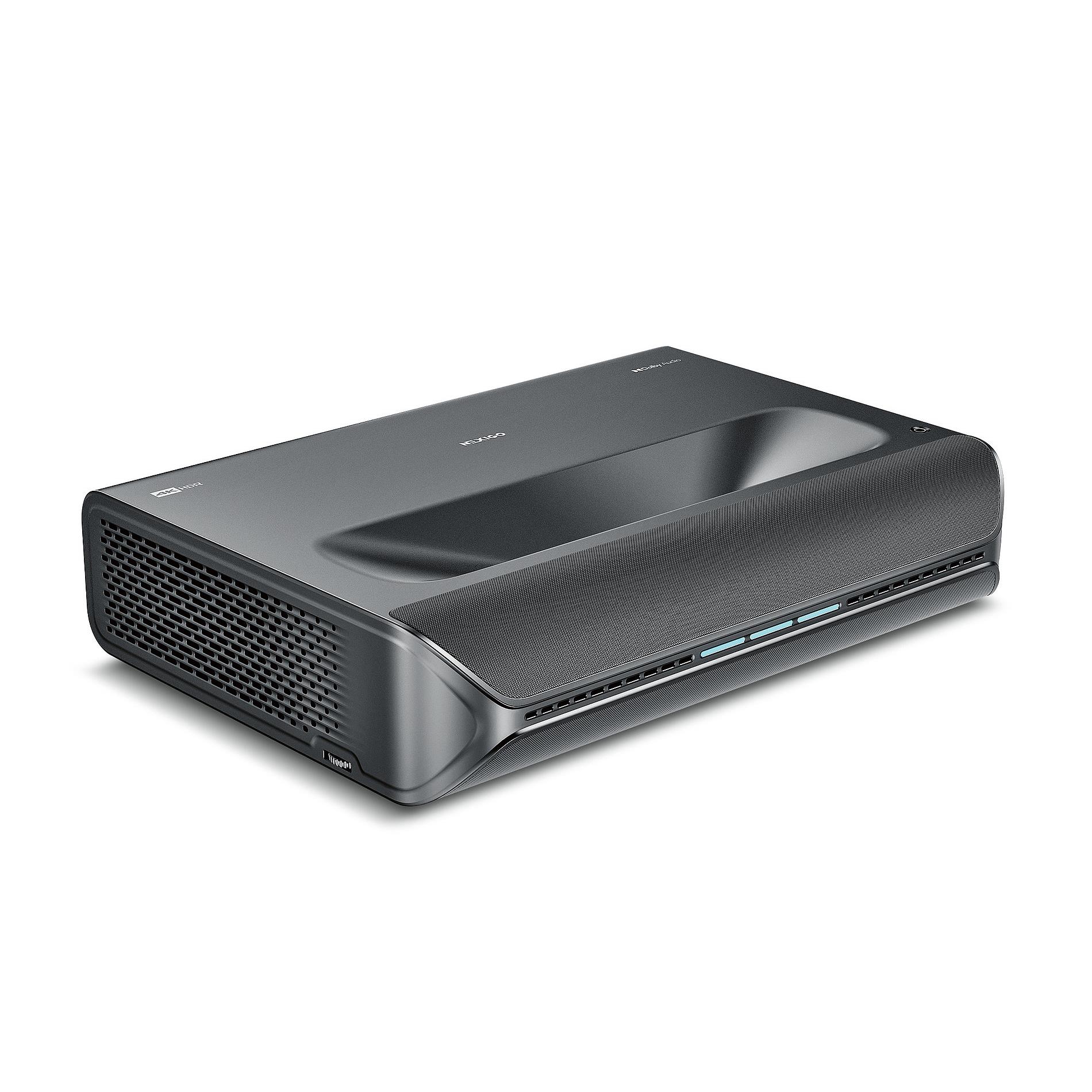
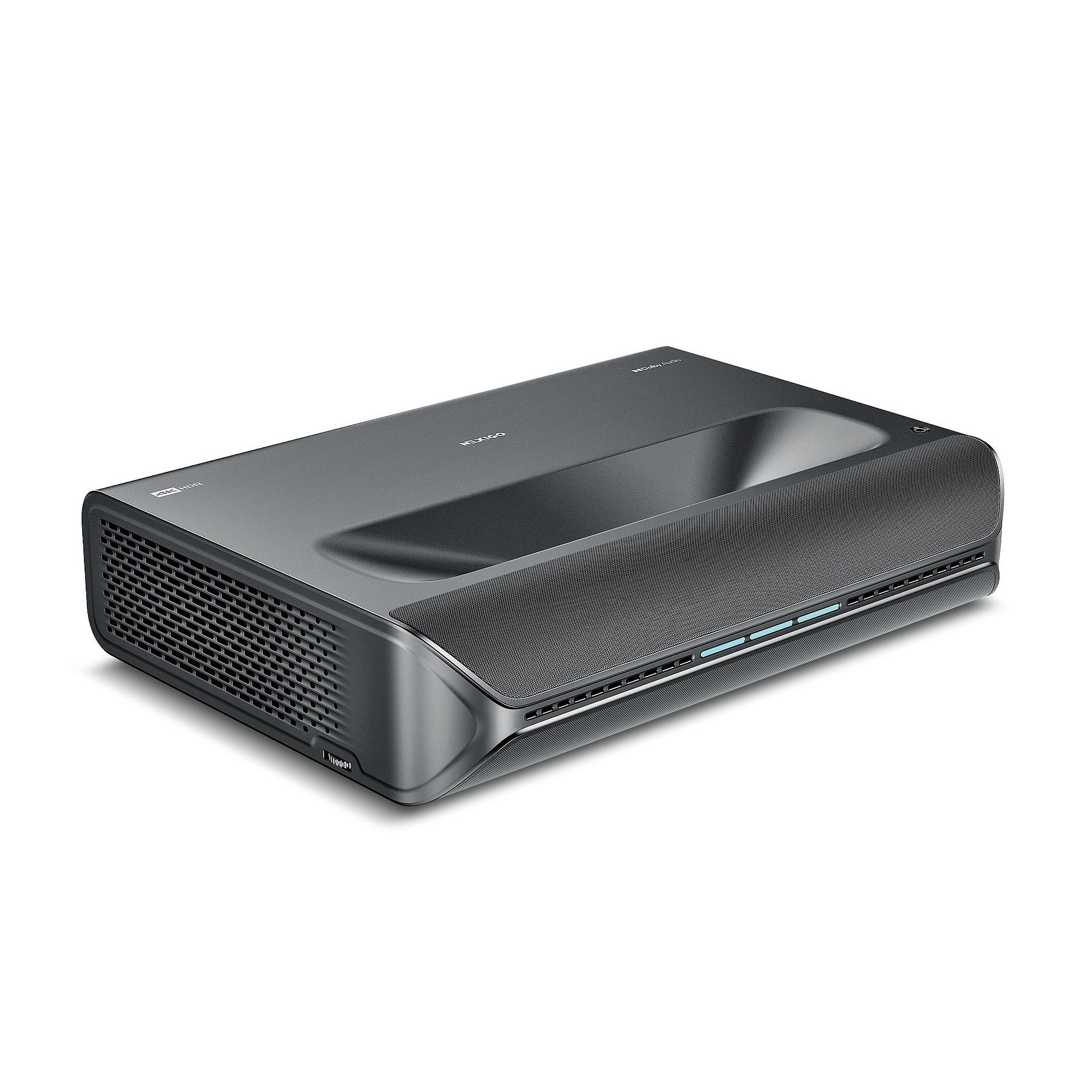
The home theater landscape has changed dramatically in recent years, with ultra short throw (UST) projectors emerging as an exciting alternative to traditional long-throw projectors and large TVs. Two notable contenders in this space are the BenQ V5010i and the NexiGo Aurora Pro, each offering distinct advantages for different types of users.
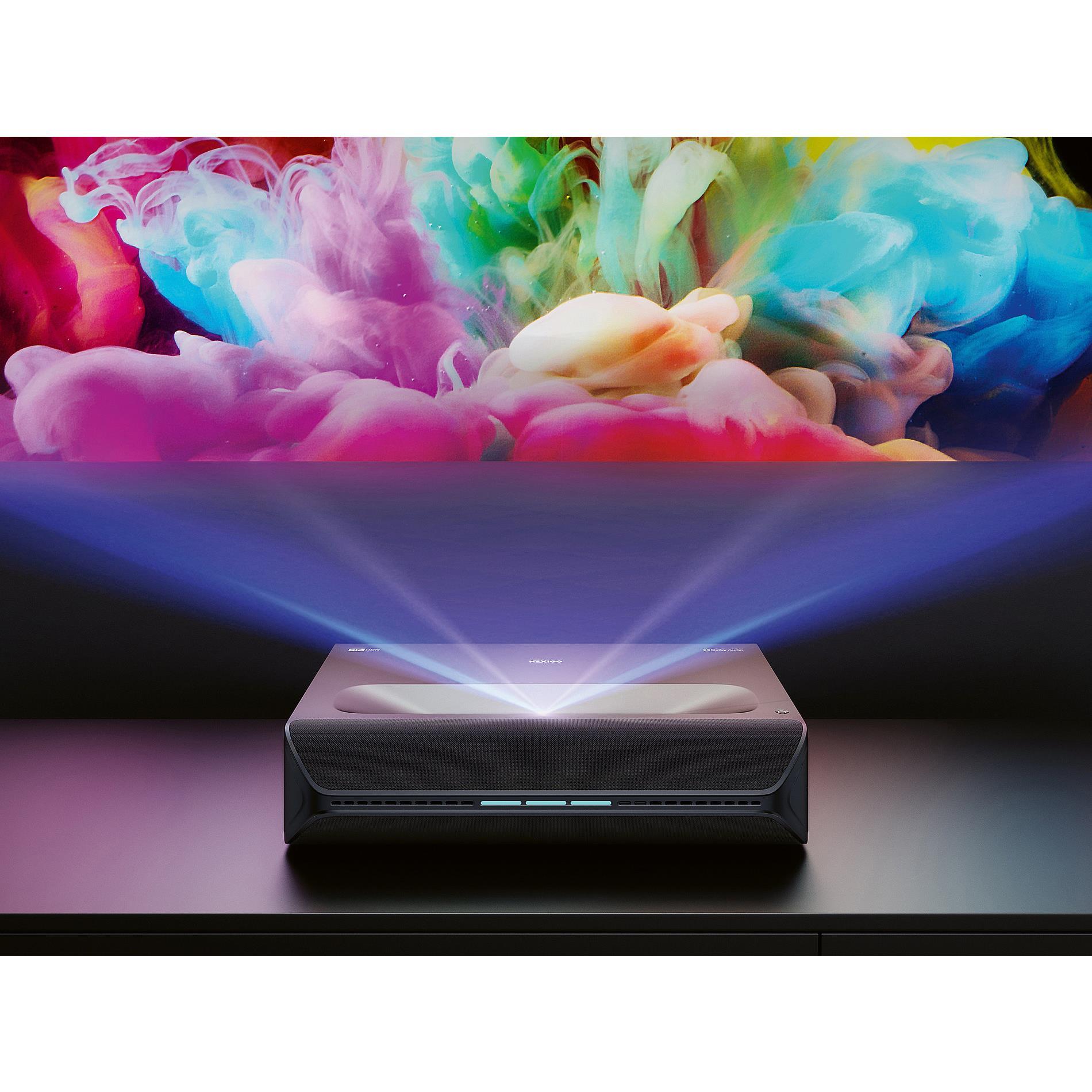
Ultra short throw projectors can create massive images while sitting just inches from your wall or screen. Unlike traditional projectors that need to be mounted far back in a room, these units use advanced optical engineering to project upward at an extreme angle, making them perfect for living rooms and media spaces where long throws aren't practical.
Both the BenQ V5010i and NexiGo Aurora Pro represent the latest generation of this technology, using advanced laser light sources instead of traditional lamps. This means instant on/off capability, consistent brightness over their lifetime, and typically 20,000+ hours of use before any significant degradation.

Both projectors deliver impressive brightness, with the BenQ offering 2500 ANSI lumens and the NexiGo close behind at 2400. In practical terms, this 100-lumen difference is barely noticeable. What matters more is how they use this brightness.
The BenQ employs advanced HDR-PRO technology that dynamically adjusts the image based on content, which proves especially valuable in rooms with some ambient light. The NexiGo counters with Dynamic Laser Dimming, which helps preserve black levels while maintaining brightness in brighter scenes.
This is where we see significant differences. The BenQ's 2,500,000:1 dynamic contrast ratio (achieved through sophisticated processing and laser dimming) delivers noticeably better performance in dark scenes compared to the NexiGo's 3,000:1 native and 6,000:1 dynamic contrast.
What does this mean in real-world viewing? During dark scenes in movies like "Dune" or "The Batman," the BenQ maintains better shadow detail and deeper blacks. However, the NexiGo's performance is still respectable for its price point, especially in rooms with some ambient light where perfect black levels are less critical.
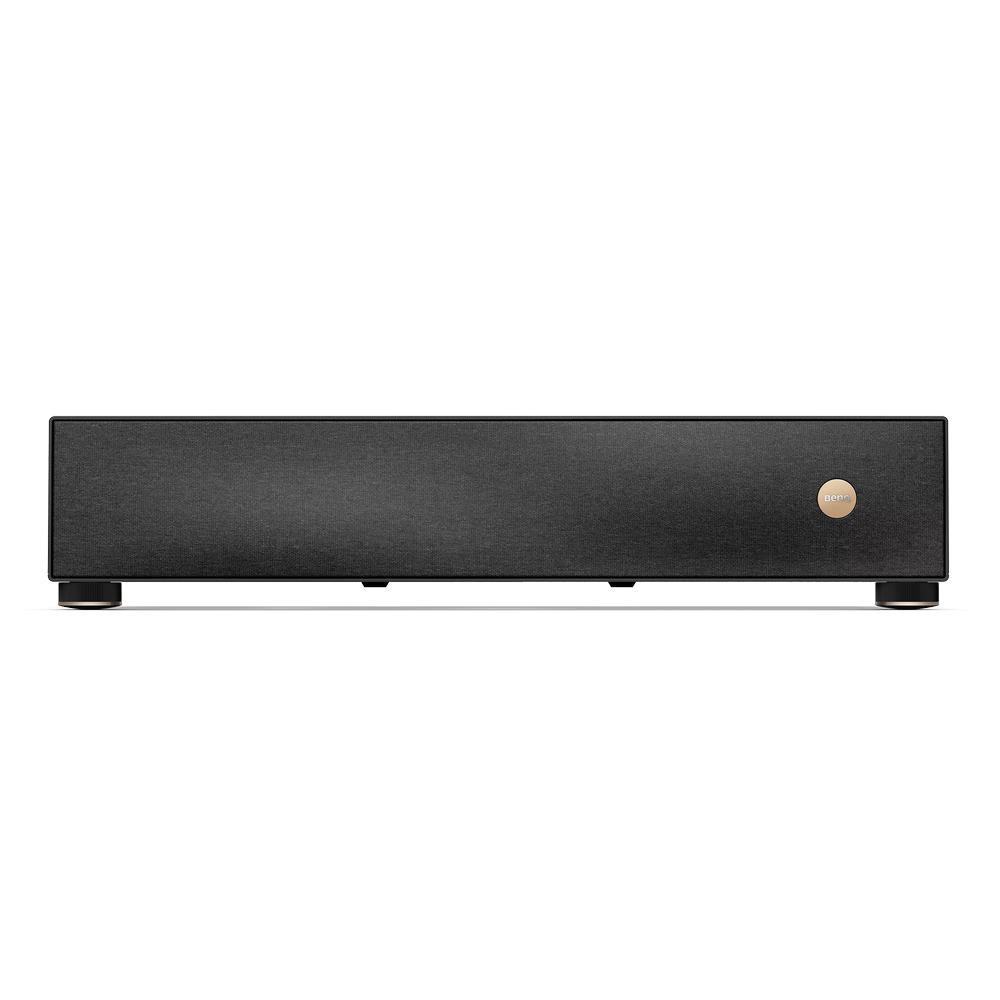
Here's where things get interesting. The NexiGo boasts 107% coverage of the BT.2020 color space, while the BenQ covers 95% BT.2020 and 98% DCI-P3. While the NexiGo's numbers look better on paper, the BenQ's color accuracy out of the box is superior, requiring less calibration for optimal performance.
Both projectors support HDR content, but the BenQ's implementation of HDR10 and HLG, combined with its HDR-PRO technology, provides more nuanced tone mapping. The NexiGo counters with support for Dolby Vision, which can provide better HDR performance with compatible content.
If gaming is a priority, the NexiGo Aurora Pro has a clear advantage. Its HDMI 2.1 ports support 4K/120Hz input (though displayed at 60Hz) and impressive input lag numbers:
The BenQ includes Auto Low Latency Mode (ALLM) but doesn't specify input lag numbers, suggesting it's not optimized for competitive gaming. For casual gaming, both projectors will perform well, but serious gamers should lean toward the NexiGo.
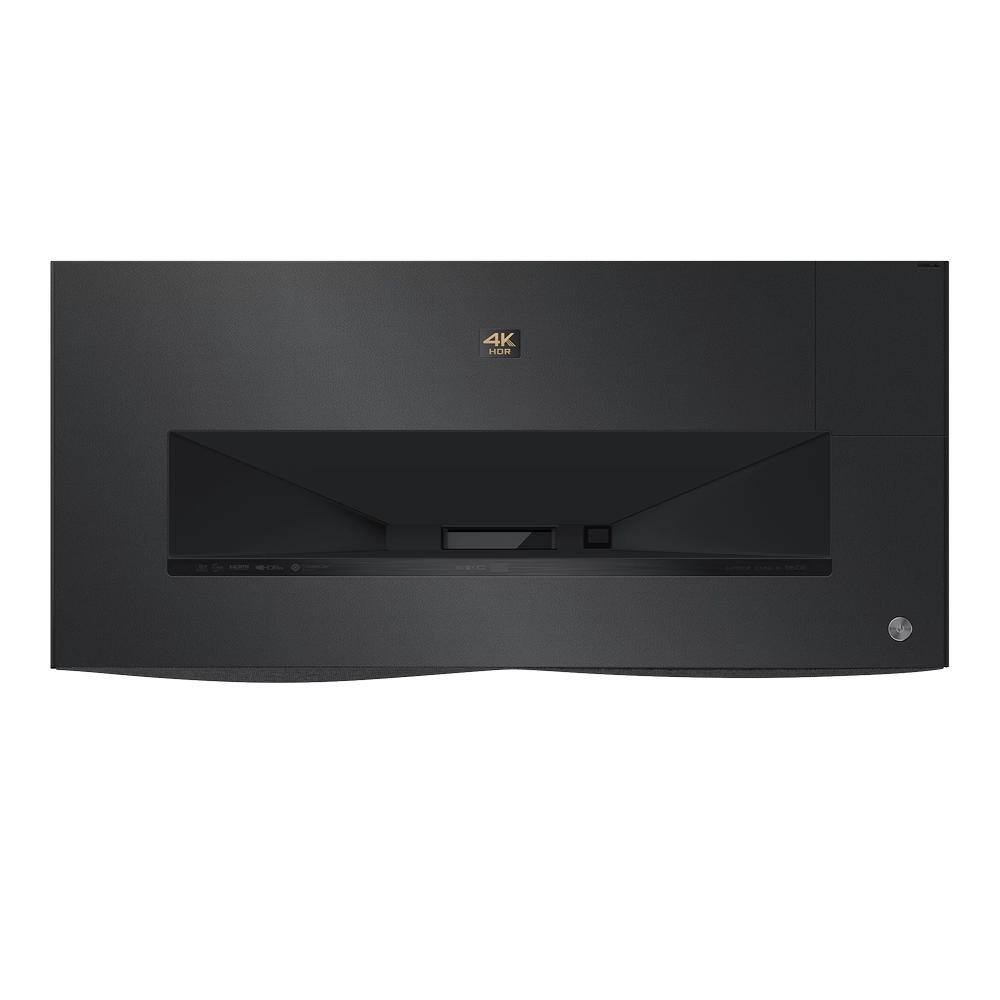
The NexiGo shows its more recent vintage here, offering:
The BenQ's smart features are more basic, though it supports Android TV through an external dongle. Both projectors offer eARC for advanced audio setups, but the NexiGo's implementation of Dolby Atmos and more modern HDMI standard gives it an edge for complex home theater setups.
Both projectors feature impressive built-in audio systems:
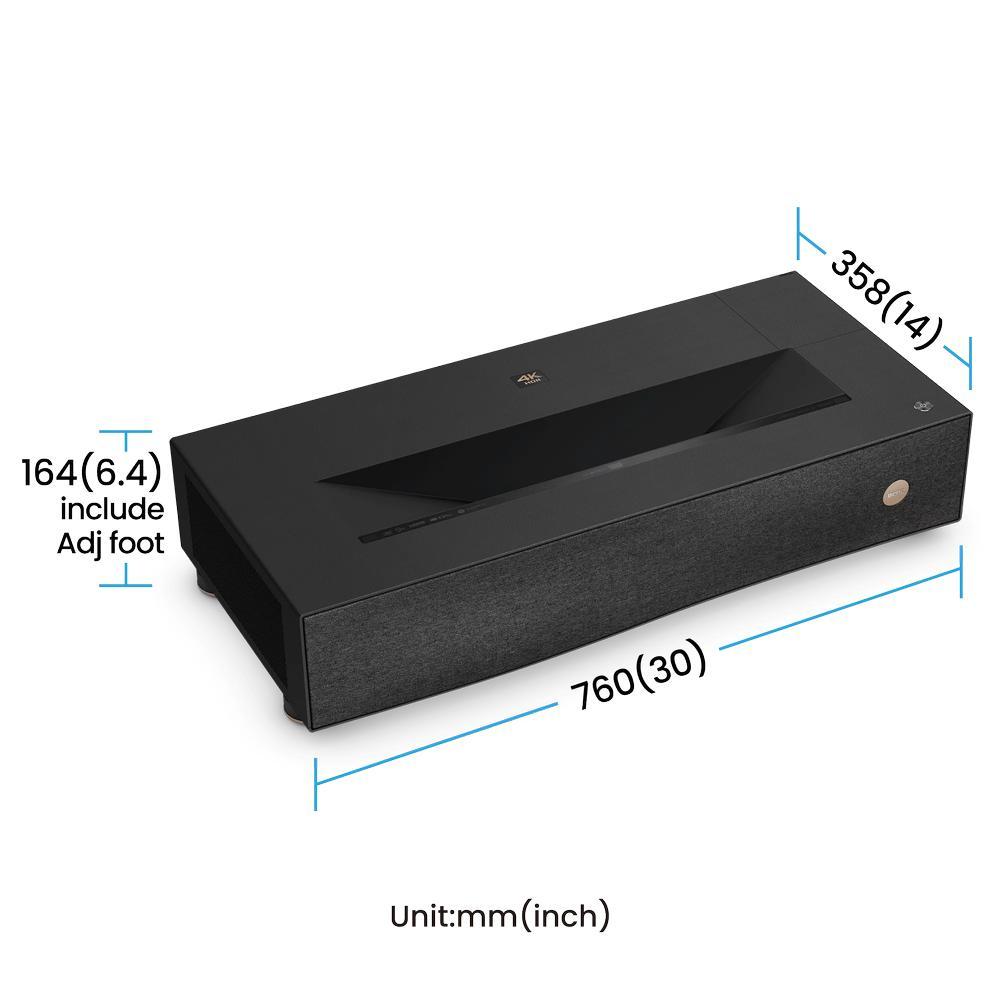
While the NexiGo's system is more powerful on paper, the BenQ's audio tuning provides excellent clarity for dialogue. However, for a proper home theater setup, you'll want to use external speakers with either projector.
Both projectors offer similar throw ratios around 0.25:1, meaning they can project a 100-inch image from roughly 8-9 inches from the wall. The BenQ includes more sophisticated automatic alignment features, making initial setup easier for less technical users.
The NexiGo Aurora Pro typically sells for around $2,699, positioning it as a strong value given its feature set and performance. The BenQ V5010i commands a premium price but justifies it with superior contrast performance and better out-of-box calibration.
Since these projectors' releases, we've seen improvements in:
The NexiGo, being newer, incorporates more recent advances in gaming features and connectivity, while the BenQ focuses on core image quality performance.
Both projectors excel in their respective areas. The BenQ V5010i is the choice for home theater enthusiasts who prioritize image quality above all else and have the environment to take advantage of its superior contrast. The NexiGo Aurora Pro offers better value for most users, especially those who want a versatile unit for both gaming and movies in a typical living room setting.
Remember that proper screen selection and room setup are crucial for either projector to perform its best. A high-quality ALR (Ambient Light Rejecting) screen can significantly improve performance, especially in rooms with ambient light.
Whether you choose the BenQ's premium image quality or the NexiGo's versatility and value, both represent impressive achievements in UST projection technology and can serve as the centerpiece of an excellent home entertainment system.
| BenQ V5010i 4K Laser Projector | NexiGo Aurora Pro 4K Ultra Short Throw Projector |
|---|---|
| Brightness - Critical for rooms with ambient light | |
| 2,500 ANSI lumens | 2,400 ANSI lumens |
| Contrast Ratio - Determines black level performance and image depth | |
| 2,500,000:1 dynamic | 3,000:1 native, 6,000:1 dynamic |
| Color Gamut - Affects color vibrancy and accuracy | |
| 95% BT.2020, 98% DCI-P3 | 107% BT.2020 |
| HDR Support - Impacts dynamic range and color in HDR content | |
| HDR10, HLG with HDR-PRO processing | HDR10, HDR10+, HLG, Dolby Vision |
| Gaming Performance - Critical for responsive gameplay | |
| ALLM support, input lag not specified | 9ms@1080p/240Hz, 17.8ms@4K/60Hz |
| Audio System - Built-in sound quality | |
| 40W total (5Wx2 tweeters + 15Wx2 woofers) | 60W total (15Wx2 tweeters + 15Wx2 woofers) |
| Smart Features - Affects content access and convenience | |
| Basic Android TV support via dongle | Built-in Android TV, Miracast, AirPlay |
| Connectivity - Important for system integration | |
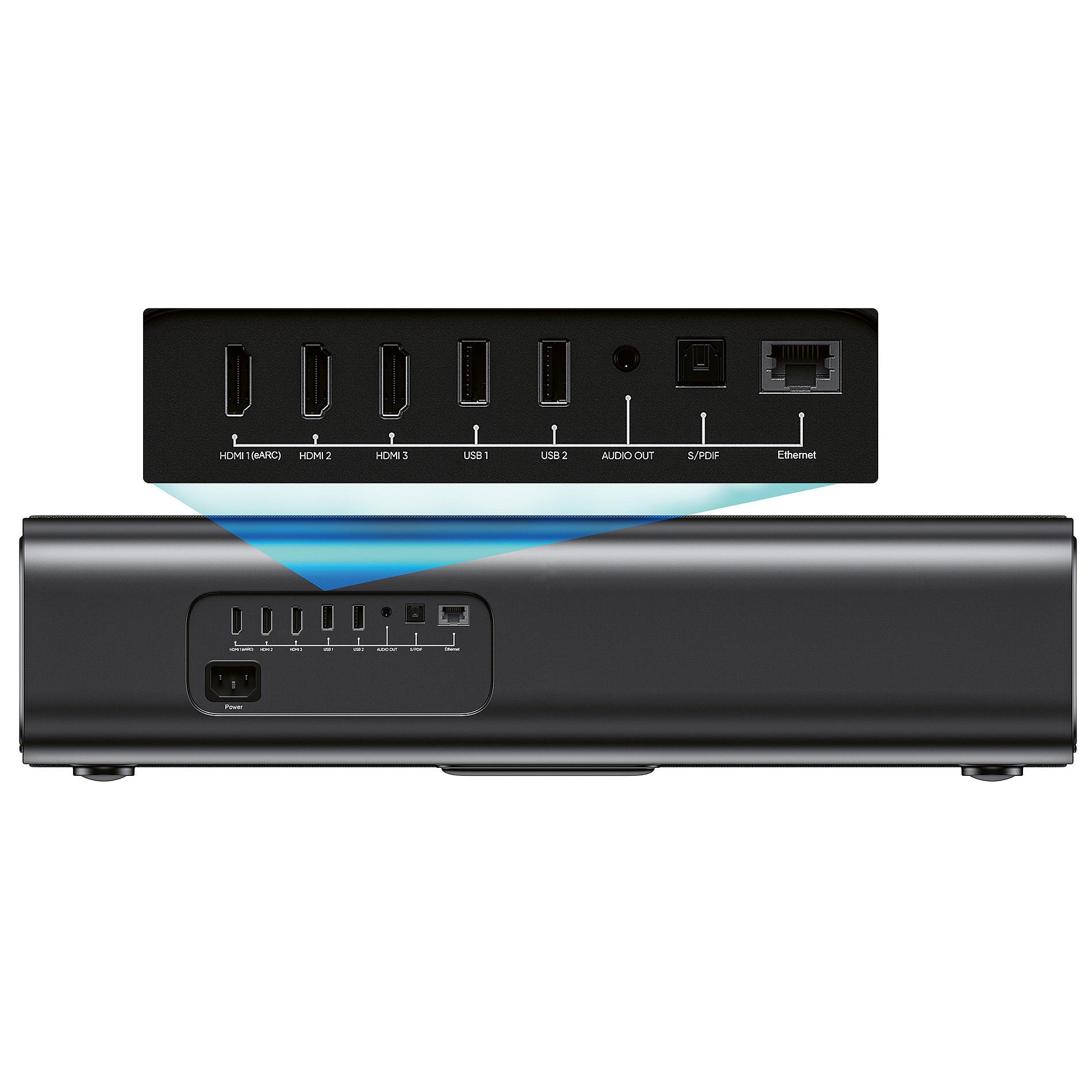
| HDMI 2.0b, eARC, SPDIF | HDMI 2.1, eARC, WiFi 6, Bluetooth 5.2 |
| Laser Life - Long-term ownership consideration | |
| 20,000 hours | 25,000 hours |
| Price - Value proposition | |
| Premium price tier | $2,699 (better value for features) |
| Warranty - Purchase protection | |
| 2 years | 1 year limited |
The BenQ V5010i has superior contrast performance and better black levels, making it the better choice for dedicated movie watching. However, the NexiGo Aurora Pro offers comparable performance for most viewers, especially in rooms with some ambient light.
The NexiGo Aurora Pro is significantly better for gaming, with low input lag (9ms at 1080p/240Hz) and HDMI 2.1 support. The BenQ V5010i only offers basic gaming features like ALLM.
The NexiGo Aurora Pro is priced at $2,699, offering better value for its features. The BenQ V5010i is positioned in a premium price tier, reflecting its focus on image quality.
Both projectors have similar brightness (2400-2500 ANSI lumens), making them suitable for moderate ambient light. For best results, both benefit from light control or an ALR screen.
The NexiGo Aurora Pro has built-in Android TV, streaming apps, and modern wireless connectivity. The BenQ V5010i requires an external device for smart features.
Both projectors have similar ultra-short throw ratios (around 0.25:1), requiring approximately 8-9 inches from the wall for a 100-inch image.
The NexiGo Aurora Pro supports more HDR formats, including Dolby Vision. The BenQ V5010i offers HDR10 and HLG with proprietary HDR-PRO processing.
While both can project onto a white wall, an ALR (Ambient Light Rejecting) screen is recommended for optimal performance, especially in rooms with ambient light.
The NexiGo Aurora Pro offers 25,000 hours of laser life, while the BenQ V5010i provides 20,000 hours. Both should last many years under normal use.
The NexiGo Aurora Pro has a more powerful 60W system, while the BenQ V5010i has a 40W system. Both are good for casual viewing but can't replace a dedicated sound system.
The NexiGo Aurora Pro fully supports modern consoles with HDMI 2.1 and high refresh rates. The BenQ V5010i works with current consoles but doesn't offer advanced gaming features.
The BenQ V5010i offers a 2-year warranty, while the NexiGo Aurora Pro comes with a 1-year limited warranty.
We've done our best to create useful and informative comparisons to help you decide what product to buy. Our research uses advanced automated methods to create this comparison and perfection is not possible - please contact us for corrections or questions. These are the sites we've researched in the creation of this article: lbtechreviews.com - benq.com - benq.com - projectorcentral.com - projectorscreenstore.com - ooberpad.com - projectorscreen.com - benq.eu - tvsproslc.com - timesofindia.indiatimes.com - images.visunextgroup.com - projectorreviews.com - thesmarthomehookup.com - nexigo.com - projectorscreen.com - avsforum.com - rtings.com - projectorcentral.com - youtube.com - rtings.com - avsforum.com - avsforum.com

Privacy Policy
Terms and Conditions - Affiliate Policy
Home Security
© Copyright 2008-2026.
11816 Inwood Rd #1211, Dallas, TX 75244