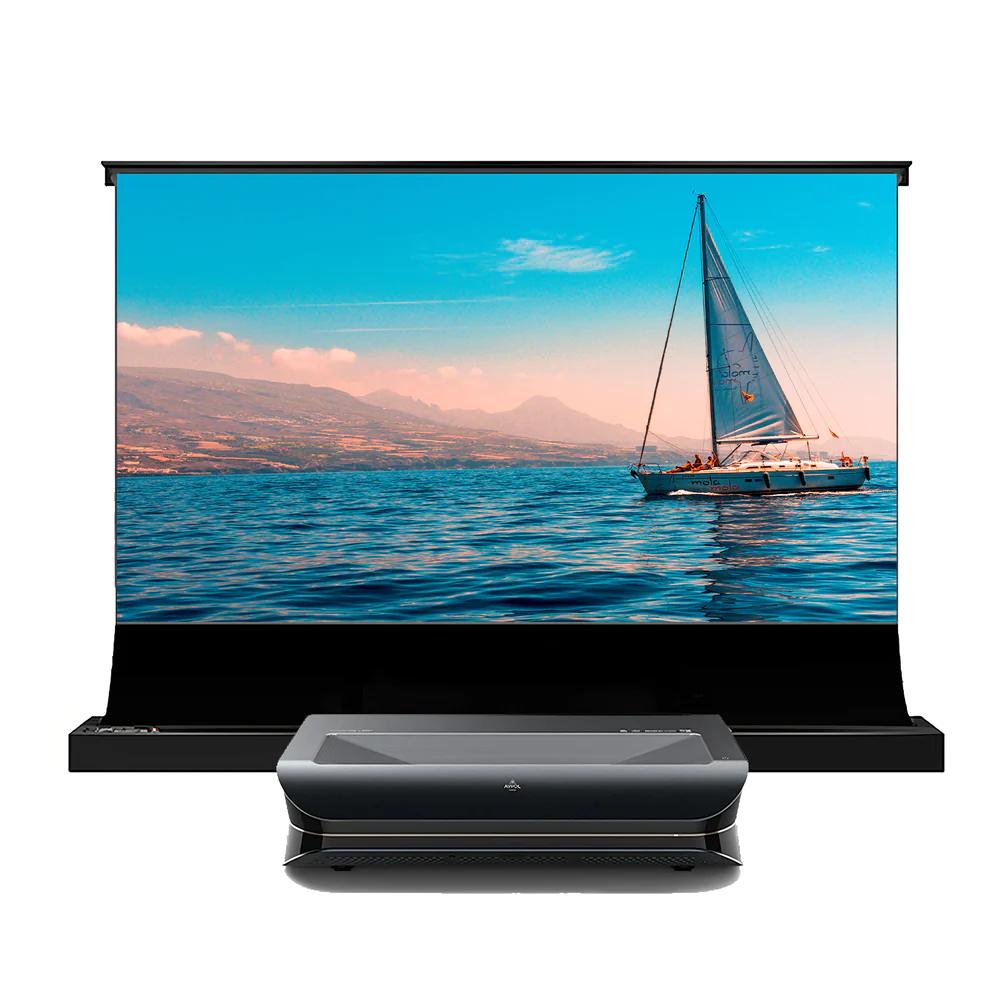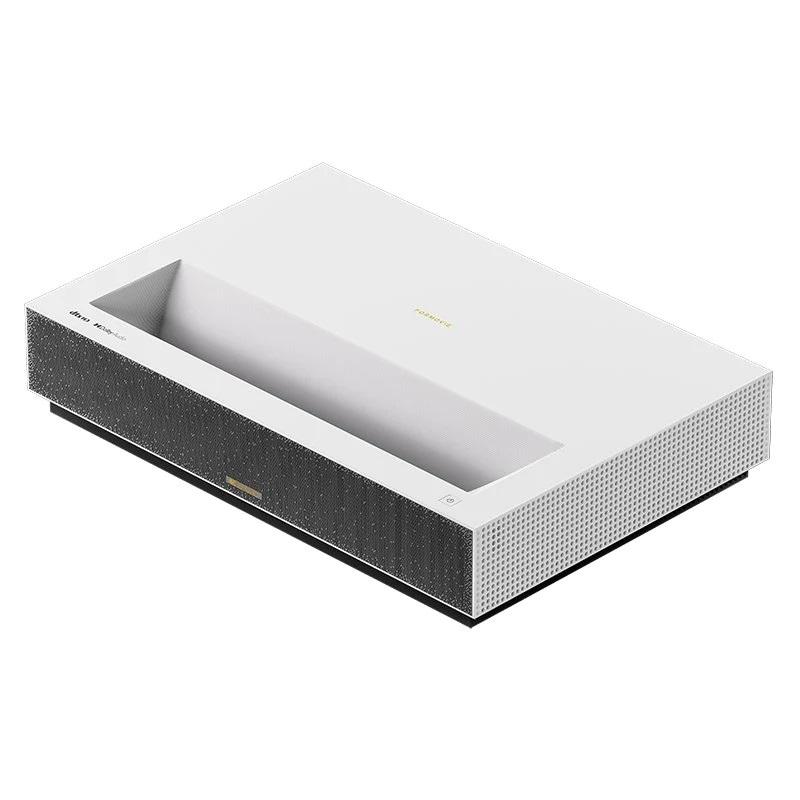
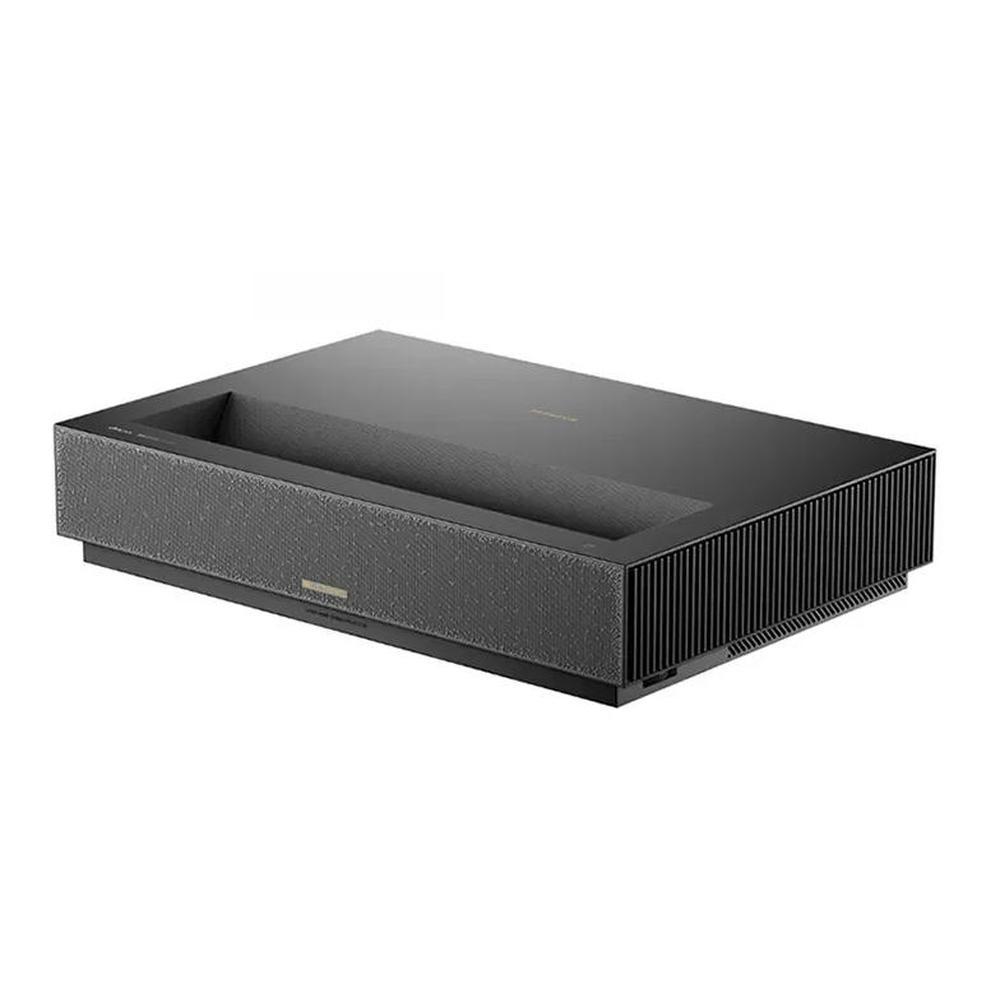
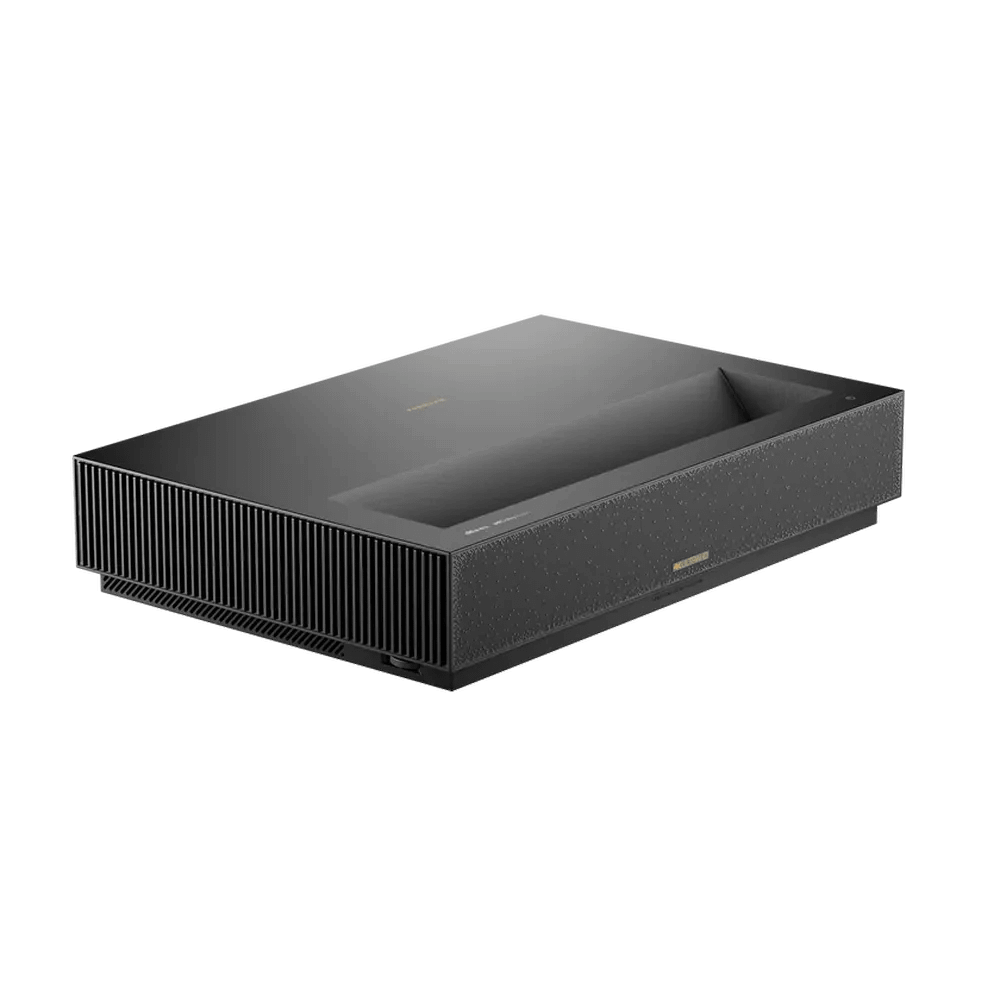
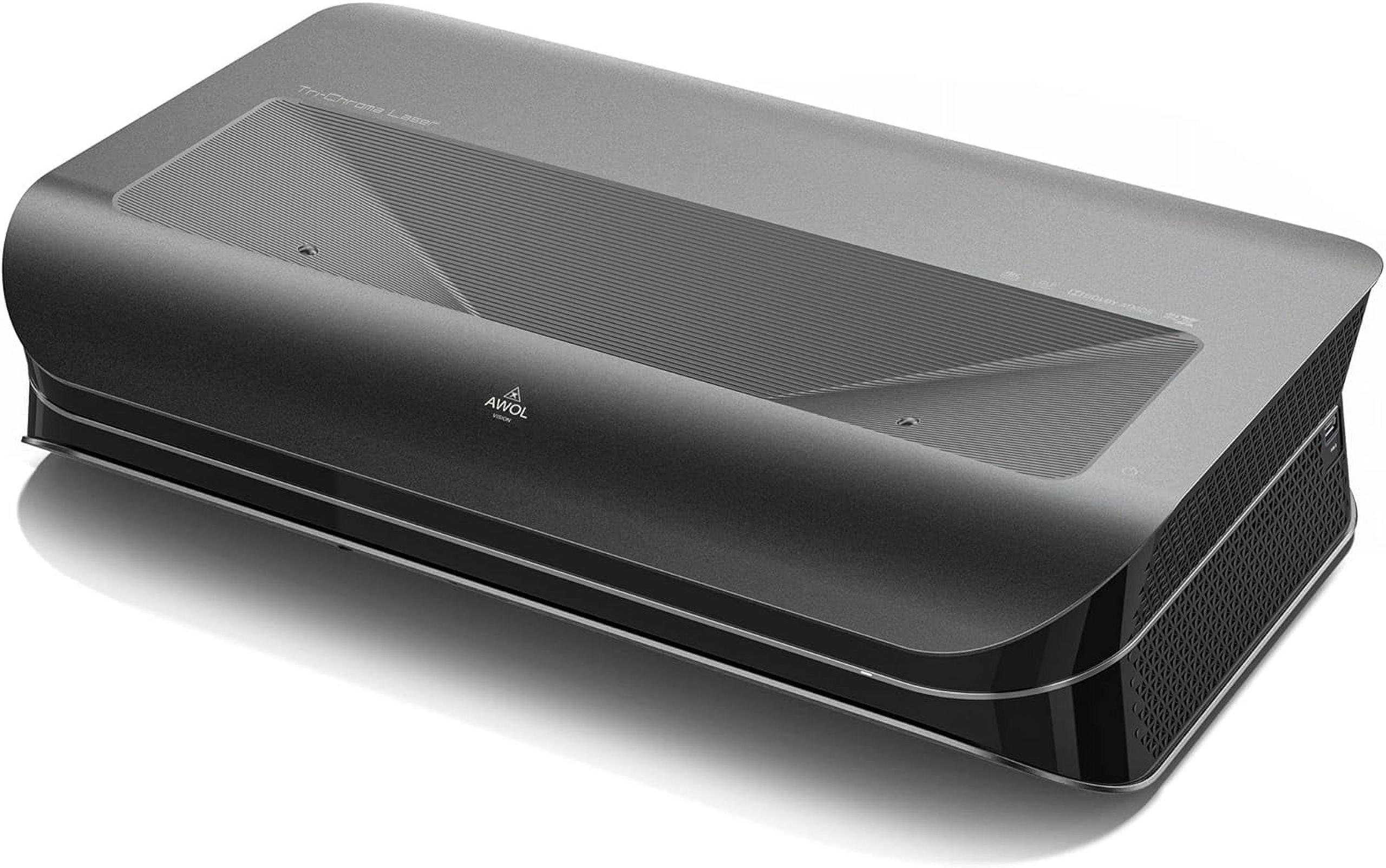
Ultra short throw (UST) projectors have revolutionized home theater by allowing massive screens in smaller spaces. Unlike traditional projectors that need significant distance, USTs can create a 100-inch display from just inches away from your wall. The AWOL Vision LTV-2500 ($2,999) and the Formovie C3 ($1,899) represent two compelling but different approaches to this technology.
Both projectors use laser light sources, but their implementations differ significantly. The AWOL LTV-2500 employs a triple laser system (using separate red, green, and blue lasers) while the Formovie C3 uses a single laser with color wheel technology. This fundamental difference affects everything from color accuracy to brightness consistency.
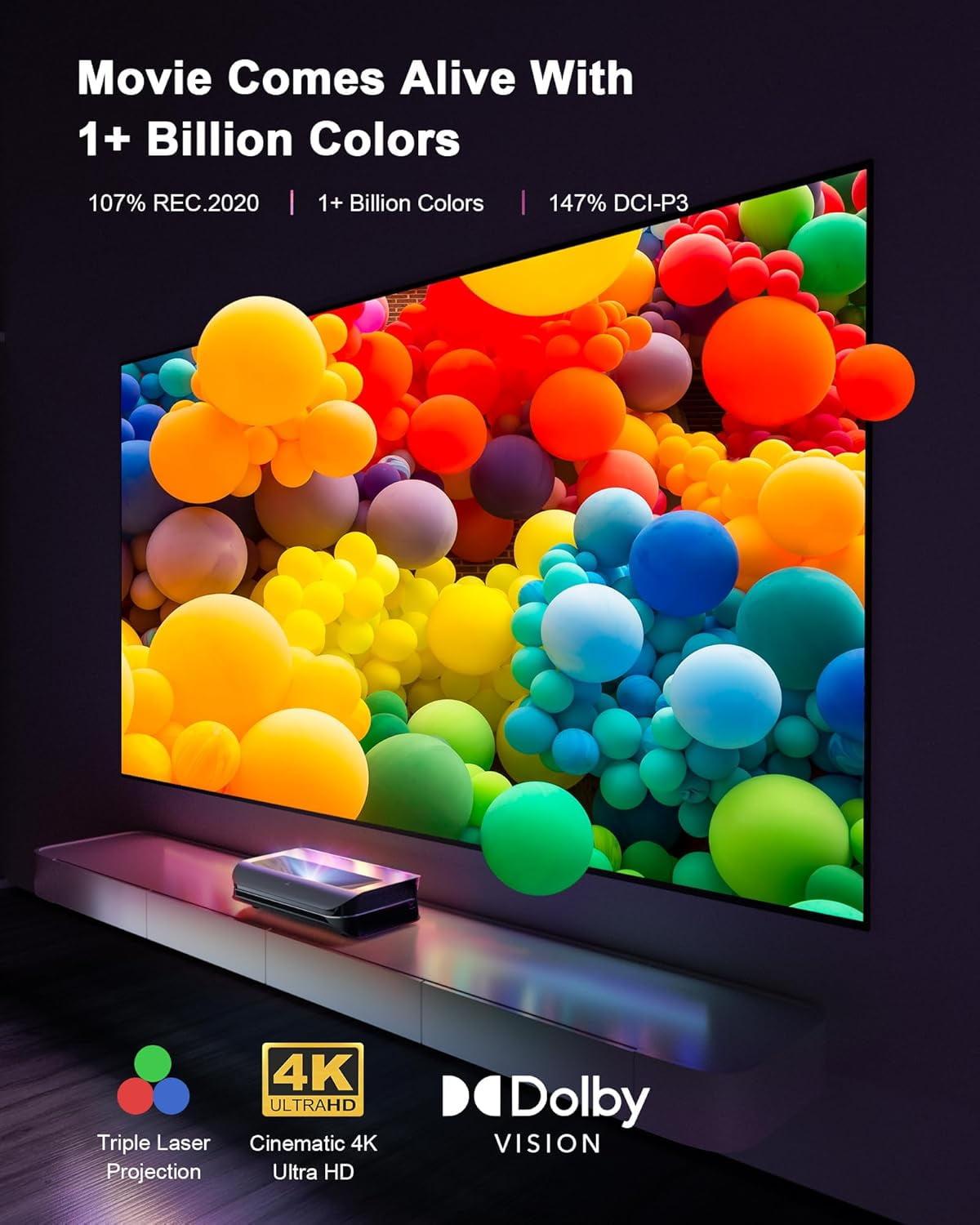
The triple laser system in the AWOL LTV-2500 provides more precise color control and better coverage of wider color spaces. Think of it like having three precision paint brushes versus one brush you need to keep dipping in different colors. This results in the AWOL achieving 107% of the BT.2020 color space - essentially meaning it can display more colors than most TVs.
Both projectors output 4K resolution (3840x2160 pixels), but how they get there differs. The AWOL uses pixel-shifting technology with a 1080p chip, rapidly moving the image four times per frame to create a 4K image. The Formovie C3 uses similar technology but with slightly different timing.
In real-world viewing:
This is where we see major differences. The AWOL LTV-2500 outputs 1,700 lumens, while the Formovie C3 manages about 1,290 lumens after calibration. In practical terms:
AWOL LTV-2500:
Formovie C3:
The AWOL Vision has made gaming a priority, offering:

The Formovie C3's gaming performance is adequate but not exceptional. For casual gaming it's fine, but competitive gamers will notice the difference.
The AWOL runs Android 9.0, providing:
The Formovie C3's FengOS is problematic for US users:
Both offer multiple HDMI ports, but the AWOL's HDMI 2.1 support provides more future-proofing.
Neither projector will replace a dedicated home theater audio system, but both offer serviceable built-in sound:
AWOL LTV-2500:
Formovie C3:
When considering value, it's important to look beyond the price difference. The AWOL LTV-2500 costs $1,100 more than the Formovie C3, but offers:
The Formovie C3 provides:
In actual use, these differences manifest in specific ways:
Movie Watching:
Sports Viewing:
Gaming:
Since their releases:
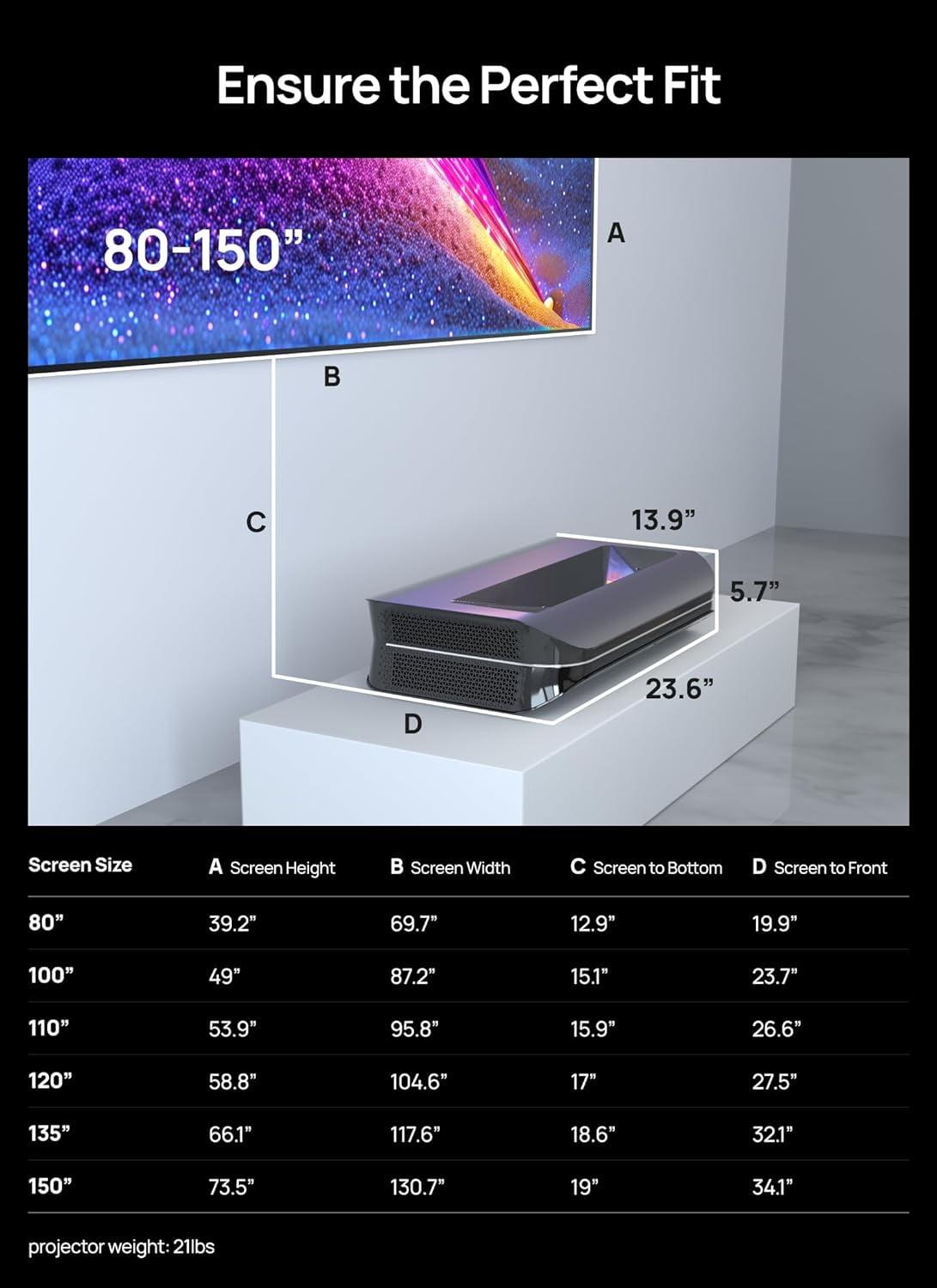
Both projectors require careful placement for optimal performance:
The AWOL's automatic geometric correction is more refined, while the Formovie requires more manual adjustment.
Choose the AWOL Vision LTV-2500 if:
Choose the Formovie C3 if:
Both projectors represent different value propositions in the UST market. The AWOL LTV-2500 is the more capable performer with better versatility, while the Formovie C3 offers strong core performance at a lower price point. Your choice should ultimately depend on your specific use case, room conditions, and budget constraints.
For a dedicated home theater room where light control isn't an issue, the Formovie C3 provides excellent value. However, for mixed-use spaces or when gaming is important, the AWOL LTV-2500's additional capabilities justify its higher price tag.
| AWOL Vision LTV-2500 4K Triple Laser Projector | Formovie C3 Ultra Short Throw Laser Projector |
|---|---|
| Price - Base investment required | |
| $2,999 | $1,899 |
| Light Source - Impacts color accuracy and longevity | |
| Triple RGB laser system with NICHA diodes | Single ALPD laser with color wheel |
| Brightness - Critical for ambient light performance | |
| 1,700 ANSI lumens (handles moderate ambient light) | 1,290 ANSI lumens calibrated (needs darker conditions) |
| Color Gamut - Determines color range and vibrancy | |
| 107% BT.2020, 147% DCI-P3 | 109% Rec.709, 80% DCI-P3 |
| Gaming Performance - Important for responsive gameplay | |
| 15ms@4K/60Hz, 8ms@1080p/120Hz | >30ms input lag, no specific gaming features |
| Contrast Ratio - Affects image depth and black levels | |
| 2,500:1 native | 3,000:1 native (2,085:1 after calibration) |
| Operating System - Impacts ease of use | |
| Android 9.0 with native streaming apps | FengOS (requires external streaming device for US) |
| HDR Support - Enhances dynamic range | |
| HDR10, HDR10+, HLG, Dolby Vision | HDR10, HLG |
| Sound System - Built-in audio quality | |
| 18W × 2 speakers, Dolby Atmos support | 15W × 2 speakers with dual tweeters |
| Throw Ratio - Determines placement distance | |
| 0.25:1 (100" from 7.2" away) | 0.23:1 (100" from 5.7" away) |
| Image Size Range - Installation flexibility | |
| 80" - 150" diagonal | 80" - 200" diagonal |
| Laser Life - Long-term durability | |
| 25,000 hours | 20,000 hours |
| Power Consumption - Operating costs | |
| 175W typical | 300W maximum |
| Connectivity - Device compatibility | |
| 3x HDMI 2.1, USB, LAN, optical audio | 3x HDMI 2.1 (1 eARC), 2x USB 2.0, audio out |
The AWOL Vision LTV-2500 performs better in bright rooms with its 1,700 ANSI lumens compared to the Formovie C3's 1,290 lumens. If you have windows or ambient light, the AWOL LTV-2500 is the better choice.
The Formovie C3 is more affordable at $1,899, while the AWOL Vision LTV-2500 costs $2,999. The price difference is significant at $1,100.
The AWOL Vision LTV-2500 is significantly better for gaming with 15ms input lag at 4K/60Hz and 8ms at 1080p/120Hz. The Formovie C3 has higher input lag and lacks specific gaming features.
Yes, both projectors work best with an ALR (ambient light rejecting) screen. This is essential for maintaining picture quality and contrast, especially for the Formovie C3 which is more sensitive to ambient light.
The AWOL Vision LTV-2500 has superior color performance with its triple laser system, covering 107% BT.2020 color space. The Formovie C3 offers good but more limited color with 109% Rec.709 coverage.
Both are ultra-short throw projectors that can be placed very close to the wall. The Formovie C3 has a 0.23:1 throw ratio (slightly closer) compared to the AWOL's 0.25:1 ratio. Both can project a 100-inch image from just inches away.
The AWOL Vision LTV-2500 has Android 9.0 with native streaming apps. The Formovie C3 uses FengOS, which requires an external streaming device for U.S. users.
The AWOL Vision LTV-2500 has a slightly longer rated laser life of 25,000 hours compared to the Formovie C3's 20,000 hours.
The AWOL Vision LTV-2500 can run Netflix through its Android system, while the Formovie C3 requires an external streaming device like a Roku or Fire TV Stick for Netflix access.
Both projectors handle movies well, but the AWOL Vision LTV-2500 has an edge with better HDR support (including Dolby Vision) and superior color performance. The Formovie C3 offers slightly better contrast for dark scenes.
The Formovie C3 performs best in a dark room, while the AWOL Vision LTV-2500 can handle some ambient light. Neither will perform optimally in very bright conditions.
The AWOL Vision LTV-2500 has more powerful 18W×2 speakers with Dolby Atmos support, while the Formovie C3 has 15W×2 speakers. However, for the best experience, both should be paired with an external sound system.
We've done our best to create useful and informative comparisons to help you decide what product to buy. Our research uses advanced automated methods to create this comparison and perfection is not possible - please contact us for corrections or questions. These are the sites we've researched in the creation of this article: projectorcentral.com - valueelectronics.com - awolvisionpro.com - youtube.com - dreamediaav.com - projectorcentral.com - projectorjunkies.com - vividstorm.us - en.heimkinowelten.de - projectorreviews.com - youtube.com - projectorcentral.com - projectorcentral.com - rtings.com - formovie.com - projectorsg.com - projector.com.bd - formovie.in - avsforum.com - projector.my - aytexcel.com - nothingprojector.com


Privacy Policy
Terms and Conditions - Affiliate Policy
Home Security
© Copyright 2008-2026.
11816 Inwood Rd #1211, Dallas, TX 75244