
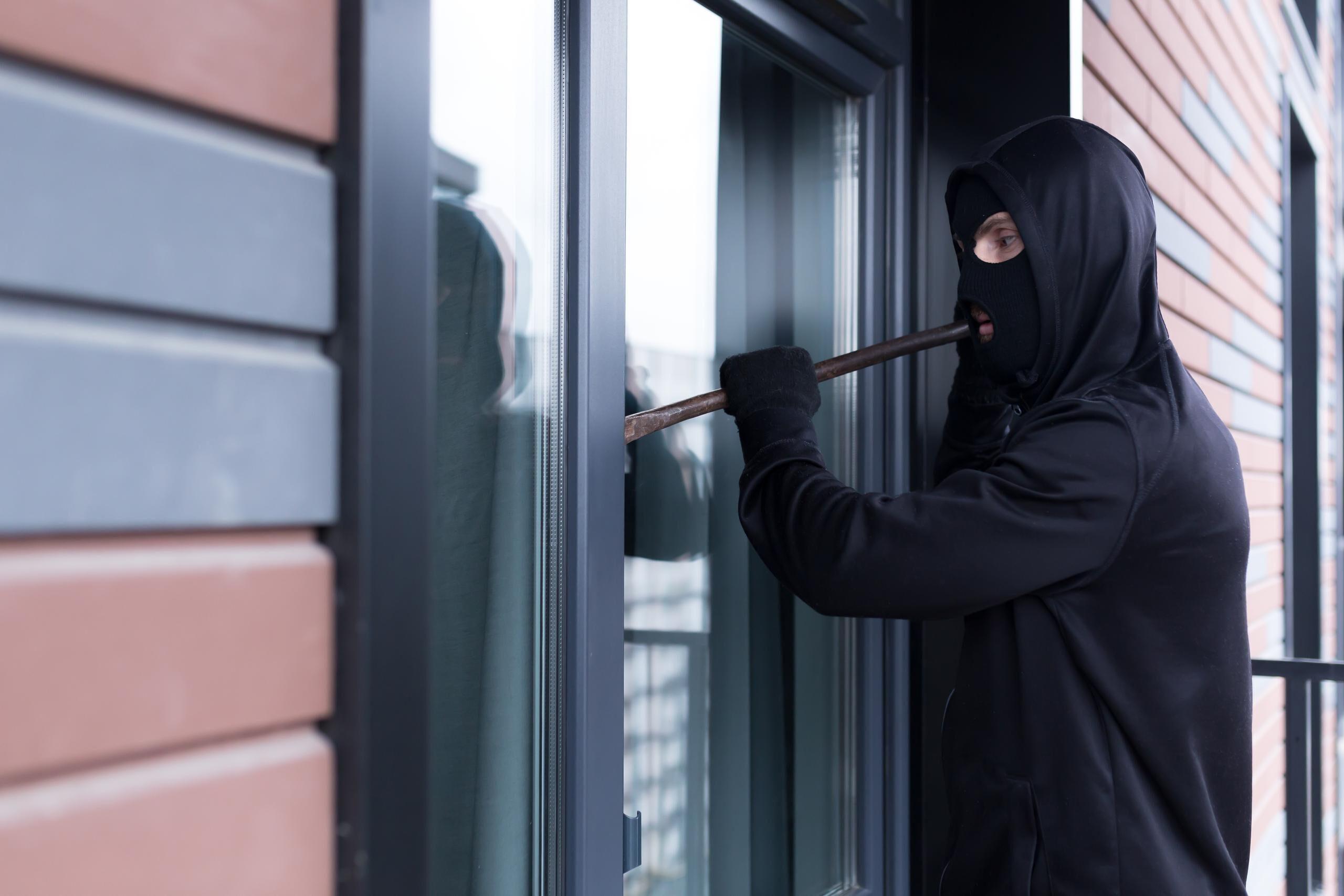
Have you ever jolted awake at 3 AM, convinced you heard something downstairs, only to lie there wondering if your home's security would actually protect you in a real emergency? I have, and it's why I've spent the last year testing home security systems in Victorville.
Nestled at the edge of the Mojave Desert with stunning mountain views, Victorville offers residents that perfect blend of desert beauty and suburban convenience. But beneath the picturesque landscape lies a concerning reality: while property crime sits 19% below the national average (good news!), violent crime rates soar at 127% above the national average (definitely not good news).
After having five different security systems professionally installed in the same house, I've seen firsthand how the right system can make all the difference. In 2025, security technology has evolved dramatically, but so have the marketing tactics designed to confuse consumers. Let me cut through the hype and help you make an informed decision based on what actually matters.
When it comes to home security, the cheapest option is rarely the best. However, the most expensive system isn't necessarily superior either. What matters is finding that sweet spot where reliability meets reasonable cost.
From my testing, systems in the $30-50 monthly monitoring range typically offer the best balance. Below that, you often sacrifice essential features; above that, you're paying for bells and whistles you'll rarely use.
After testing dozens of security gadgets, I've found that certain features transform from luxuries into necessities once you've experienced them:
Both ADT (through their Google Nest partnership) and Vivint excel in these areas, offering seamless integration that actually works reliably—something that wasn't always true even a few years ago.
A proper security system isn't just about preventing break-ins—it's about comprehensive home safety. Modern systems now integrate fire and carbon monoxide detection, water leak sensors, and even medical alert capabilities. When professionally installed, they create a safety net that protects your family from multiple threats.
Security technology has made impressive leaps forward in 2025. AI-powered cameras can now distinguish between a prowler and your neighbor's cat with remarkable accuracy. Mobile apps have become incredibly intuitive, allowing granular control over your entire system.
However, some aspects of security remain timeless:
The most significant advancement has been the integration of these traditional elements with smart home technology. Systems that once operated in isolation now work in concert with your entire home ecosystem.
ADT operates through a network of six monitoring centers across the country, providing redundancy that ensures someone is always watching your system. Their business model relies heavily on authorized dealers like SafeStreets, who sell and install ADT-branded equipment while adhering to ADT's strict standards.
When you sign up with SafeStreets, you're getting ADT monitoring with installation from a company that specializes in that specific aspect of the business. Your contract is ultimately with ADT, which provides consistency in monitoring quality.
Vivint takes a different approach, handling everything in-house from sales to installation to monitoring. This vertical integration allows them to control the entire customer experience and rapidly deploy new technology. Their focus on smart home integration makes them particularly appealing to tech-savvy homeowners who want a system that does more than just security.
Here's something most security companies won't tell you: many of them use the same underlying monitoring platforms. Alarm.com powers numerous local and regional providers, while ADT uses its proprietary system. This means the actual alert processing when your alarm triggers may be remarkably similar across different brands.
After watching professionals install five different systems in my home, I can confidently say this: even as a tech journalist who builds computers for fun, I would never attempt to DIY my home security.
Professional installers know crucial details that most homeowners miss:
I've seen DIY installations with motion sensors pointing at heating vents (hello, false alarms), window sensors with gaps large enough to trigger only after the window is fully open, and cameras positioned with massive blind spots. These mistakes don't just reduce effectiveness—they create a false sense of security that could be more dangerous than having no system at all.
With Victorville's crime grade of 0 (on a scale where higher is better), security isn't optional—it's essential. The 127% higher-than-average violent crime rate makes comprehensive security particularly important.
For the 55.7% of residents who rent, portable security options that can move with you make sense, but shouldn't sacrifice quality. Renters face the same security concerns as homeowners but often have fewer options for hardwired systems.
After extensive testing and living with multiple systems, here's my honest assessment: while local companies may offer competitive pricing and personalized service, the stability, consistency, and technological edge provided by established national installers like SafeStreets and Vivint typically justifies their slightly higher cost.
Local companies can provide excellent service, but they're often limited by their size when it comes to keeping up with rapidly evolving security technology and maintaining 24/7 monitoring infrastructure.
Whatever you choose, please don't cut corners on professional installation. The peace of mind that comes from knowing your system was properly installed by trained professionals is worth every penny—especially at 3 AM when you hear that bump in the night and need to know your security system has your back.

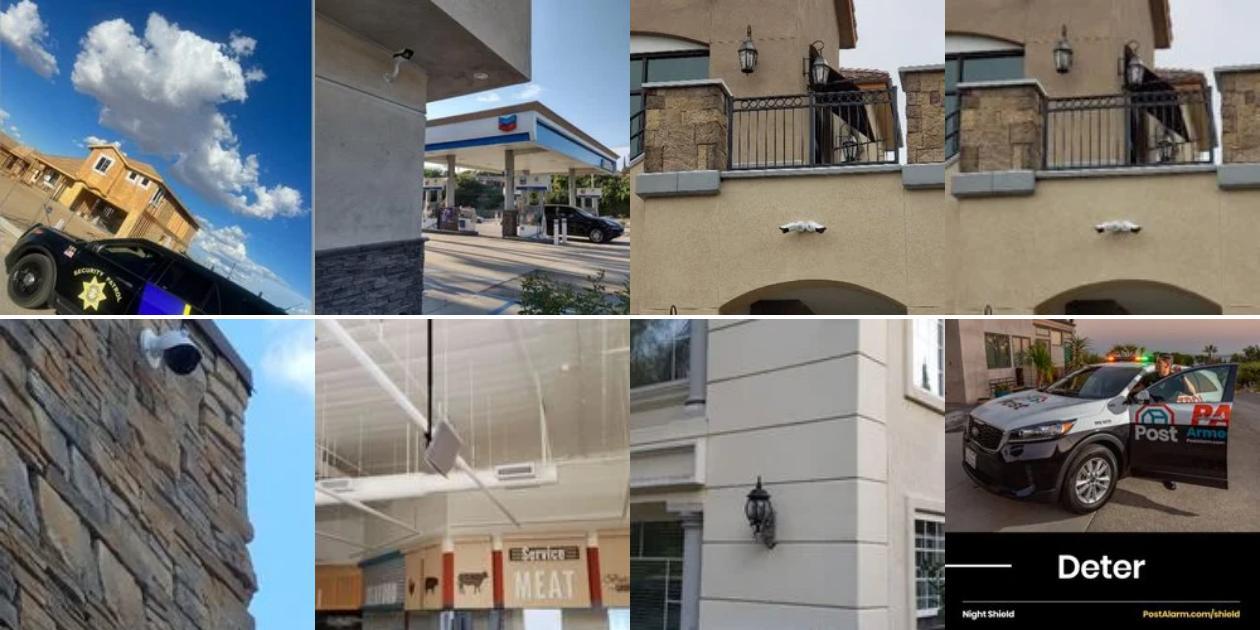
Victorville has a population of 350,275 and is located in San Bernardino County. According to recent ACS data from the U.S. Census Bureau, the median household income is $55,155. Median home value is $229,699, and the median rent is $1,298/month. With a median age of 31.9 years old, 10.8% of residents over the age of 24 have at least some college education, with 21.6% having an income over $100,000. 43.3% of households are married.
According to the 2020 Decennial Census, the racial breakdown was as follows:
Home security is more than just cameras that capture bad actors committing crimes. Smart home features such as automated lighting are underrated features that can prevent thefts before they happen.
Professional monitoring is a must, and the choice generally comes down to a balance between the latest technology, overall price, and the service you receive for installation and on-going maintenance.
Our pick for the best home security system is ADT, with its exceptional reputation for customer satisfaction and professional installation, followed closely by Vivint which while slightly more expensive, has the most advanced security technology for your home.
SimpliSafe is our home security system recommendation for renters with its great balance of features and value, while offering minimal installation effort and reasonably priced professional monitoring.

Privacy Policy
Terms and Conditions - Affiliate Policy
Home Security
© Copyright 2008-2026.
11816 Inwood Rd #1211, Dallas, TX 75244