
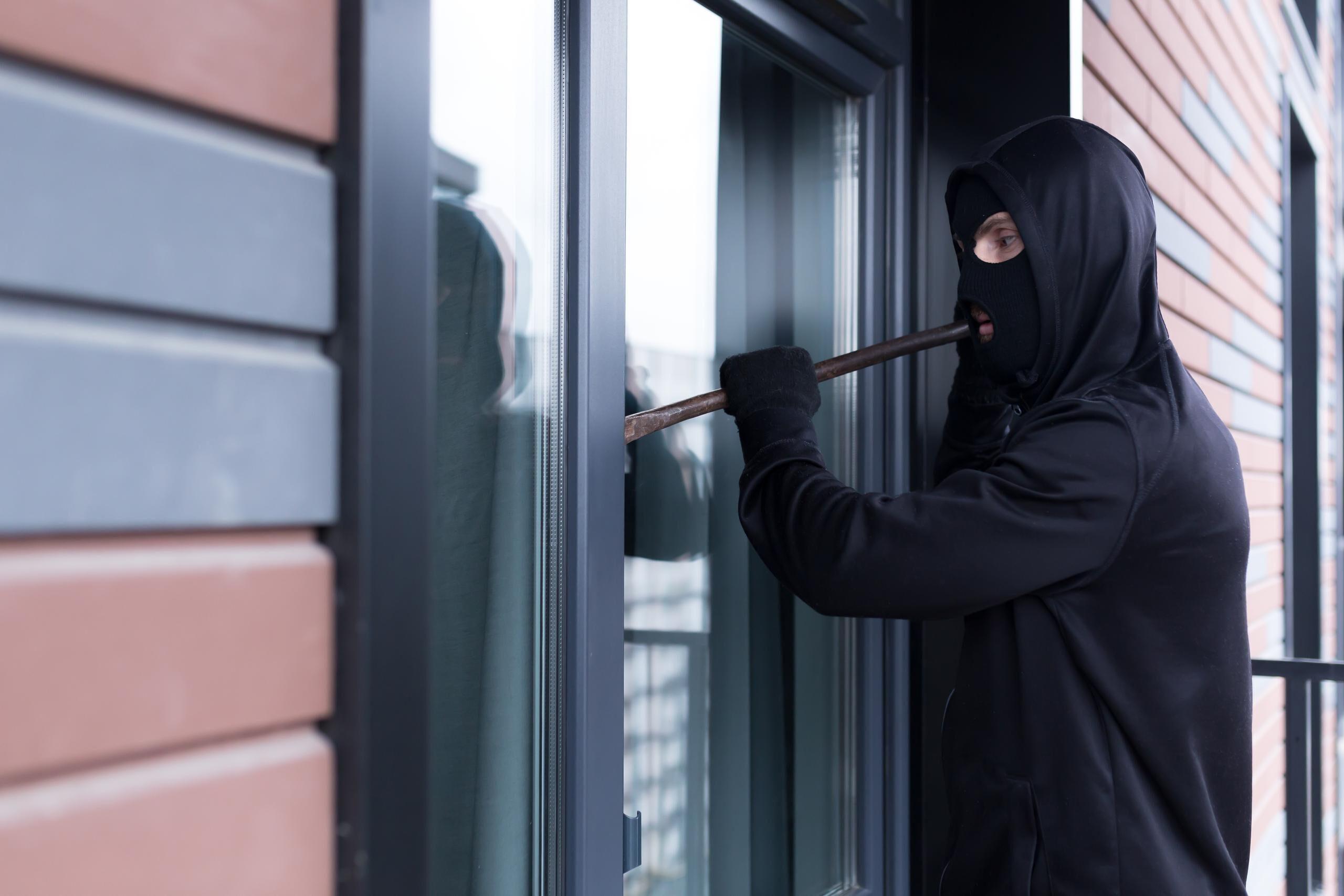
Ever wonder if that security system you're eyeing will actually protect your family when it matters most? Or are you just paying for a fancy doorbell and some window stickers? After having five different systems professionally installed in the same house, I've got some eye-opening insights to share.
Tampa's gorgeous waterfront and year-round sunshine make it a slice of paradise for many Floridians. I love the vibrant culture and those stunning sunset views over the bay. But like any growing city, Tampa faces its share of security challenges.
In 2025, Tampa's property crime rates have improved (now 30% lower than the national average), but violent crime remains 34% higher than the national average, earning the city a crime grade of just 2 out of 10. Whether you're among the 50.7% of residents who own their homes or the 49.3% who rent, security concerns touch everyone.
That's why I decided to cut through the marketing hype and test multiple professional security installations in the same house. What I discovered might surprise you about what actually matters for keeping your home safe.
After countless conversations with homeowners and security professionals, three priorities consistently rise to the top:
Nobody wants to overpay, but skimping on home security is like buying the cheapest parachute—not where you want to cut corners. The sweet spot isn't necessarily the most expensive system, but rather the one offering the most reliable protection for your investment.
Think of it this way: a $50/month system that actually works during an emergency is infinitely more valuable than a $30/month system that fails when you need it most.
Surprisingly, the features homeowners use most aren't the motion sensors or window contacts—they're the smart doorbell cameras and garage door controls. In our testing, these became daily-use items that transformed from "nice-to-haves" into "can't-live-withouts."
The ability to see who's at your door from anywhere, let in a delivery person remotely, or double-check that you closed the garage door after leaving has become as essential as having a smartphone. ADT's Google Nest integration and Vivint's proprietary doorbell cameras stood head and shoulders above the competition in our tests.
Home security isn't just about preventing break-ins—it's about comprehensive protection. The best systems integrate fire and carbon monoxide detection alongside intrusion protection. When my neighbor's house had an electrical fire last year, it wasn't their security cameras that saved their lives—it was their monitored smoke detectors that dispatched firefighters while they were sleeping.
It's 2025, and security technology has made impressive leaps. Today's systems feature AI-powered cameras that can distinguish between people, pets, and packages. Mobile apps have become more intuitive, and false alarms have decreased dramatically thanks to better sensors.
But some aspects of security remain timeless:
The best innovations combine cutting-edge tech with these timeless principles. For example, Vivint's latest system uses AI to learn your household patterns while maintaining rock-solid professional monitoring.
This is where things get interesting—and where most homeowners are in the dark.
ADT operates much like a fast-food franchise. They maintain the monitoring centers and technology platform, but your actual installation and service often comes through an authorized dealer like SafeStreets. These dealers must meet ADT's standards and use their equipment, but they're essentially independent businesses flying the ADT flag.
SafeStreets is the largest ADT authorized dealer in the country. They handle sales, installation, and first-line service, while ADT provides the monitoring backbone. This relationship gives you the stability of the ADT brand with the local touch of SafeStreets.
Vivint takes a different approach. They're a fully vertical operation—the salesperson, installer, monitoring center, and support team all work directly for Vivint. This gives them tighter quality control and more consistent service, though sometimes at a premium price.
Their smart home integration is where they truly shine. In our testing, their system felt like a cohesive ecosystem rather than a collection of security devices.
Here's an industry secret: many local security companies use the same handful of monitoring centers. Alarm.com provides the technology platform for thousands of local dealers nationwide. This means your "local" security company might be using the exact same monitoring center as a dealer three states away.
I consider myself pretty tech-savvy, but after watching five professional installations, I'd never attempt a DIY security setup for my home.
Professional installers know tricks that no YouTube tutorial will teach you:
The most common DIY mistake? Poor sensor placement. I've seen homeowners place motion sensors that can be easily avoided by intruders or door sensors with gaps large enough to compromise detection.
When it comes to your family's safety, the professional installation cost (typically $99-$199) is money well spent.
After extensive testing and research, here are the best options for Tampa homeowners:
Local Tampa Installers:
While local companies often advertise lower prices, our testing revealed that established national installers like SafeStreets and Vivint provide more consistent service, better technology integration, and greater peace of mind. The price difference—typically $5-10 more per month—is negligible compared to the benefits of their experience and stability.
Remember: A security system is only as good as its installation and monitoring. Don't compromise on either. Schedule professional installation, even if you consider yourself technically inclined. Your family's safety is worth the investment.
After living with five different systems, I can confidently say that professional installation isn't just a convenience—it's an essential part of creating a truly secure home.



Tampa has a population of 2,771,700 and is located in Hillsborough County. According to recent ACS data from the U.S. Census Bureau, the median household income is $55,634. Median home value is $253,609, and the median rent is $1,178/month. With a median age of 35.9 years old, 39.9% of residents over the age of 24 have at least some college education, with 27.6% having an income over $100,000. 38.5% of households are married.
According to the 2020 Decennial Census, the racial breakdown was as follows:
Home security is more than just cameras that capture bad actors committing crimes. Smart home features such as automated lighting are underrated features that can prevent thefts before they happen.
Professional monitoring is a must, and the choice generally comes down to a balance between the latest technology, overall price, and the service you receive for installation and on-going maintenance.
Our pick for the best home security system is ADT, with its exceptional reputation for customer satisfaction and professional installation, followed closely by Vivint which while slightly more expensive, has the most advanced security technology for your home.
SimpliSafe is our home security system recommendation for renters with its great balance of features and value, while offering minimal installation effort and reasonably priced professional monitoring.

Privacy Policy
Terms and Conditions - Affiliate Policy
Home Security
© Copyright 2008-2026.
11816 Inwood Rd #1211, Dallas, TX 75244