
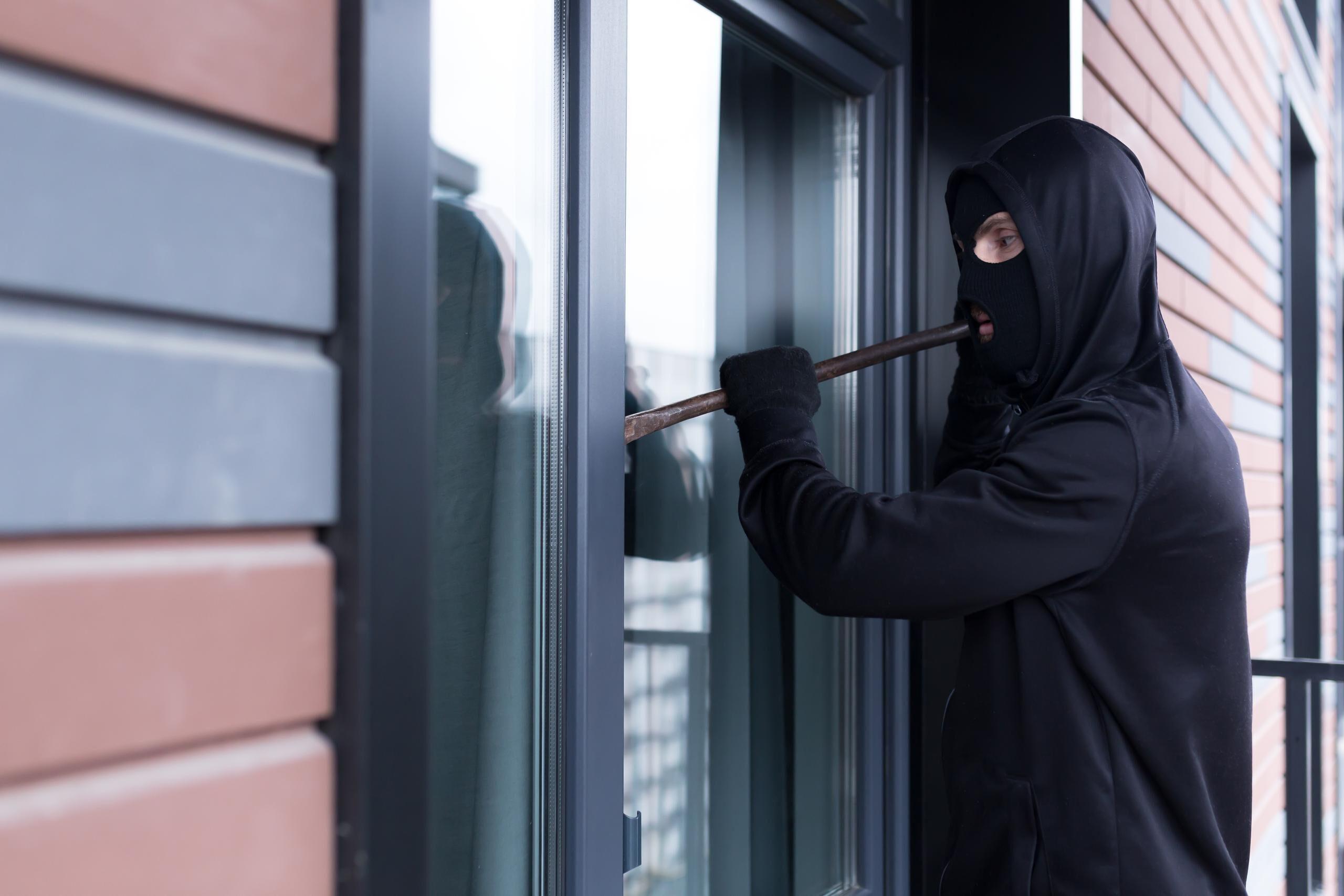
Have you ever laid awake at night wondering if that noise outside was just the wind, or something more concerning? I know I have, and that's exactly why I've spent the last year testing home security systems in my Scottsdale home.
Scottsdale is undeniably gorgeous - with its stunning desert landscapes, luxury resorts, and world-class golf courses. It's no wonder it's called "The West's Most Western Town." But even in this slice of Arizona paradise, security concerns exist.
While Scottsdale boasts impressive safety statistics (more on that later), no community is immune to security threats. That's why I took the somewhat extreme step of having five different security systems professionally installed in my home over the course of a year. Yes, my neighbors probably think I'm paranoid, but hey, it was for science!
I wanted to cut through the marketing hype and give you the real scoop on what works, what doesn't, and what you actually need to keep your home safe in 2025. Let's dive in!
After a year of living with various security setups, I've learned that homeowners care about three key things:
You don't necessarily need the most expensive system, but you do need one that works consistently. False alarms are more than just annoying—they can cost you in fines and credibility with local authorities. The sweet spot is finding a system that offers reliable protection without breaking the bank.
Surprisingly, the security features I ended up using most weren't the motion sensors or window contacts—they were the smart doorbell cameras and garage door controls. Being able to see who's at your door while you're lounging by the pool or remotely closing your garage when you can't remember if you left it open—these are game-changers for daily living. In 2025, these aren't luxuries anymore; they're must-haves.
At the end of the day, a security system is an investment in peace of mind. It's about doing the most reasonable thing possible to improve your family's safety. And don't forget fire safety—modern systems integrate smoke and carbon monoxide detection, which can be literal lifesavers.
It's 2025, and security technology has come a long way. AI-powered cameras can now distinguish between a prowler and your neighbor's cat with scary accuracy. Facial recognition lets your system know who belongs and who doesn't.
But some aspects of security are timeless. Solid doors, good locks, and properly positioned sensors will never go out of style. The best systems combine cutting-edge tech with these fundamental principles.
The integration between security and smart home features has reached new heights. ADT with their Google Nest partnership and Vivint are leading the pack with seamless integrations that make controlling your entire home as easy as saying "Hey Google" or tapping an app.
This is where things get interesting (and a bit confusing). Let me break down how these companies actually work:
ADT is the big blue name you know, but did you know they often don't install their own systems? Companies like SafeStreets are "ADT Authorized Dealers." They sell and install ADT equipment and connect you to ADT's monitoring centers. These monitoring centers are impressive operations—I toured one and saw rows of professionals handling emergency calls 24/7.
Vivint takes a different approach. They design, manufacture, install, and monitor their own equipment. Their direct sales model means the person selling you the system often works directly for Vivint, not a dealer. This vertical integration allows for some impressive smart home capabilities that felt more cohesive in my testing.
Here's an industry secret: many local security companies use the same central monitoring services. Alarm.com is a major platform that powers monitoring for countless local dealers nationwide. So when you're choosing between a national brand and a local installer, the actual emergency response might be coming from the same place!
As someone who builds computers for fun, I thought I'd be the perfect candidate for a DIY security system. I was wrong.
Professional installers know things you don't. They understand the optimal placement for motion sensors to avoid false alarms from pets or HVAC systems. They know how to position door sensors to prevent tampering. They've seen every type of window, door, and entry point and know the vulnerabilities of each.
During my testing, I had a professional evaluate my own DIY installation attempt. The results were humbling. I had placed motion sensors where they could be easily triggered by sunlight. My camera angles left blind spots a professional would have caught immediately. And I had completely overlooked tamper protection for my control panel.
When it comes to your family's safety, this isn't the place to cut corners or learn by trial and error.
After my year-long experiment, here's my rundown of the best security installers in Scottsdale:
Let's talk about why security matters in Scottsdale. The stats are actually encouraging: property crime is 4% lower than the national average, and violent crime is a whopping 54% lower. The city earns a crime grade of 8.5 out of 10.
But statistics don't tell the whole story. Even in safe communities, targeted property crimes occur. And for the 66.5% of Scottsdale residents who rent, security concerns can be different but equally important.
After a year of testing, here's my verdict: while local companies offer competitive pricing and personalized service, the stability and consistency provided by established national installers like SafeStreets and Vivint is worth the slightly higher cost for most homeowners.
The technology gap has narrowed significantly in 2025, with national providers offering much more user-friendly interfaces than they did just a few years ago. Their monitoring infrastructure is robust, and their staying power means your system won't be orphaned if a small company goes out of business.
Whatever you choose, please don't skimp on professional installation. The peace of mind that comes from knowing your system was installed correctly by someone who understands security fundamentals is invaluable.
Your home is your sanctuary. Protect it accordingly.



Scottsdale has a population of 254,995 and is located in Maricopa County. According to recent ACS data from the U.S. Census Bureau, the median household income is $91,042. Median home value is $494,172, and the median rent is $1,452/month. With a median age of 47.7 years old, 59.4% of residents over the age of 24 have at least some college education, with 46.3% having an income over $100,000. 50.7% of households are married.
According to the 2020 Decennial Census, the racial breakdown was as follows:
Home security is more than just cameras that capture bad actors committing crimes. Smart home features such as automated lighting are underrated features that can prevent thefts before they happen.
Professional monitoring is a must, and the choice generally comes down to a balance between the latest technology, overall price, and the service you receive for installation and on-going maintenance.
Our pick for the best home security system is ADT, with its exceptional reputation for customer satisfaction and professional installation, followed closely by Vivint which while slightly more expensive, has the most advanced security technology for your home.
SimpliSafe is our home security system recommendation for renters with its great balance of features and value, while offering minimal installation effort and reasonably priced professional monitoring.

Privacy Policy
Terms and Conditions - Affiliate Policy
Home Security
© Copyright 2008-2026.
11816 Inwood Rd #1211, Dallas, TX 75244