
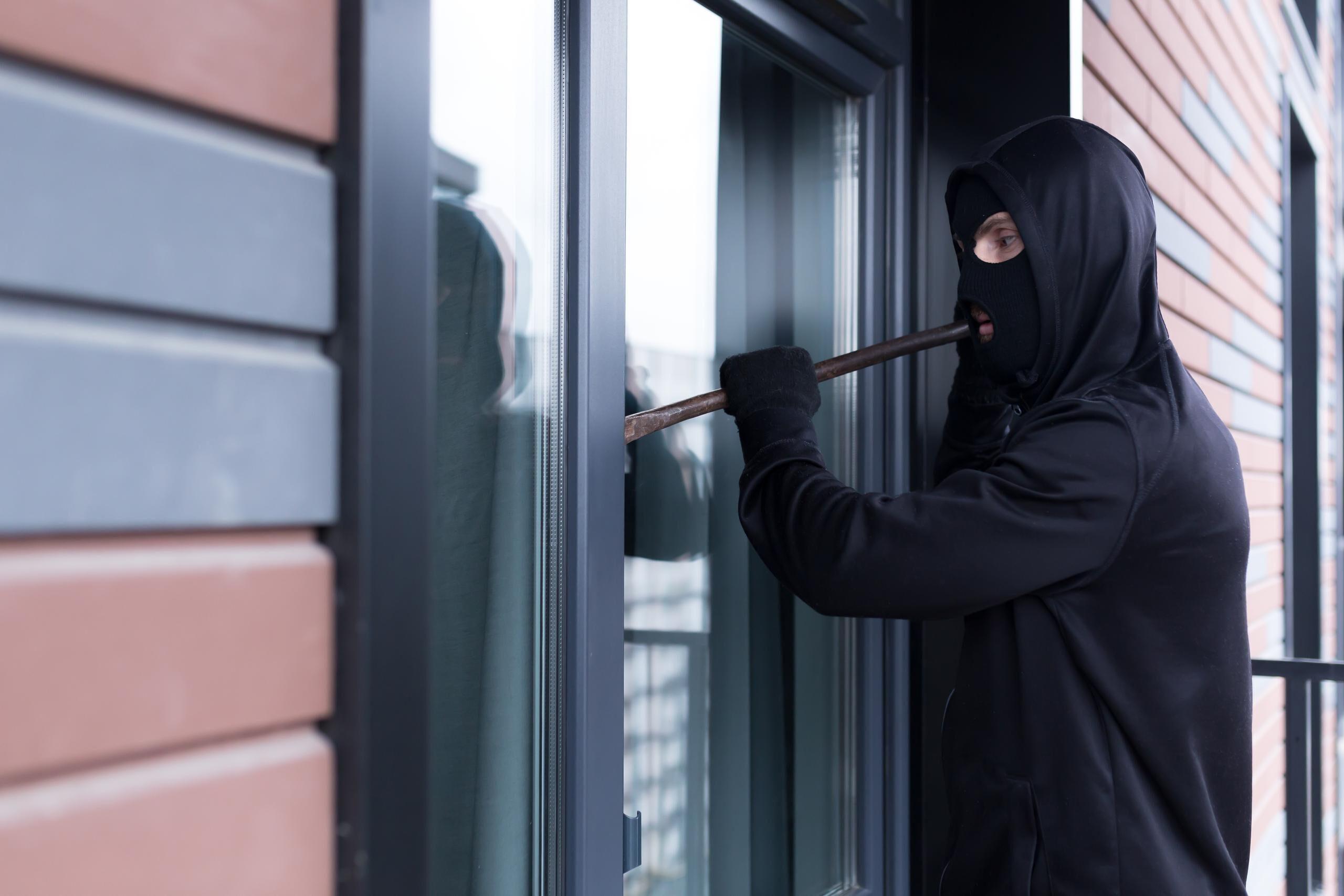
Have you ever wondered if your home security system is actually protecting you, or just giving you a false sense of security? After testing five different professionally installed systems in the same house, I discovered some shocking truths about what works and what doesn't.
Santa Cruz is a slice of California paradise, with stunning coastlines and that laid-back beach town vibe we all love. But paradise comes with a price tag – and I'm not just talking about the real estate market.
Despite its charm, Santa Cruz faces security challenges that residents can't ignore. After spending months testing various security systems in our test home, I've seen firsthand how the right setup can make all the difference. And in 2025, with technology advancing faster than ever, there's no excuse for settling for outdated security solutions.
Let's cut through the marketing hype and get to what really matters for your home.
When it comes to home security, the cheapest option is rarely the best. But that doesn't mean you need to break the bank either. What matters is finding that sweet spot where reliability meets reasonable cost.
In our testing, we found systems that were rock-solid during power outages and connectivity issues, while others failed at the first sign of trouble. The difference wasn't always price – it was smart engineering and backup systems.
Here's something the industry doesn't talk about enough: the features you'll use daily matter more than the ones you'll (hopefully) never need.
Video doorbells and garage control consistently ranked as the most-used features across all our test installations. In 2025, these aren't luxury add-ons – they're essentials. Being able to see who's at your door from anywhere or checking whether you closed the garage after leaving provides daily peace of mind.
Both ADT (through their Google Nest partnership) and Vivint have perfected these interfaces, making them intuitive enough for everyone in the household to use.
A proper security system isn't just about deterring break-ins – it's comprehensive protection. Fire detection, carbon monoxide monitoring, and flood sensors can save lives and prevent catastrophic property damage.
The most reasonable approach is layered security: deterrents visible from outside, reliable monitoring, and emergency response protocols that actually work when seconds count.
Security technology has made impressive leaps in recent years. AI-powered cameras can now distinguish between a prowler and a passing deer, reducing false alarms dramatically. Wireless sensors have become more reliable and battery life has improved from months to years.
But some principles remain timeless:
The best systems in 2025 combine cutting-edge tech with these proven principles.
ADT operates one of the largest networks of monitoring centers in the country. Their redundant facilities mean if one center goes offline, another picks up the slack instantly. This infrastructure isn't cheap to maintain, which explains part of their pricing structure.
SafeStreets is an ADT authorized dealer, meaning they sell and install ADT equipment and services, but operate as a separate business. The benefit? You get ADT's monitoring infrastructure with potentially more personalized installation service. The potential downside? An extra layer between you and the monitoring provider.
Vivint takes a different approach with their direct sales model. When you buy from Vivint, you're dealing with the same company that will monitor your system and provide service. Their smart home integration is among the most seamless I've tested, with everything designed to work together from the start.
Many local security companies in Santa Cruz actually operate as authorized dealers for larger networks. They're bound by the same standards and requirements, but may offer more personalized service since they know the local area.
Here's an industry secret: many security companies use the same central monitoring platforms. Alarm.com powers numerous local and regional providers, while ADT uses their proprietary monitoring infrastructure. This is why the real differentiator often isn't the monitoring itself, but the quality of installation and customer service.
As someone who's technically inclined, I initially thought DIY installation would be a breeze. I was wrong.
Professional installers know things you don't – like the fact that motion sensors shouldn't face windows (unless you want false alarms from passing cars), or that door sensors need specific positioning to avoid false triggers when the wind blows.
The most common DIY mistakes I've seen include:
When it comes to protecting your family and property, this isn't the place to cut corners. A professional installer will ensure your system works when you need it most – during an actual emergency.
The numbers don't lie: property crime in Santa Cruz is 76% higher than the national average, while violent crime exceeds the national average by 22%. With a crime grade of 0, security isn't optional – it's essential.
This affects everyone – homeowners protecting their investment and renters safeguarding their personal belongings. In a community where nearly half the residents rent, portable security solutions are just as important as permanent installations.
After living with systems from both national providers and local installers, here's my honest assessment:
While local companies often offer competitive pricing and personalized service, the stability, consistency, and technological advancement of established national installers like SafeStreets and Vivint typically justify their slightly higher costs.
Local knowledge is valuable, but security is ultimately about reliable technology and responsive monitoring – areas where the major players have invested billions.
Whatever you choose, don't compromise on professional installation. The peace of mind from knowing your system was set up correctly is worth every penny. Your family's safety deserves nothing less than expert implementation.
What's your next step toward better protecting your Santa Cruz home?



Santa Cruz has a population of 165,933 and is located in Santa Cruz County. According to recent ACS data from the U.S. Census Bureau, the median household income is $86,618. Median home value is $892,768, and the median rent is $2,038/month. With a median age of 28.1 years old, 54.4% of residents over the age of 24 have at least some college education, with 44.7% having an income over $100,000. 29.4% of households are married.
According to the 2020 Decennial Census, the racial breakdown was as follows:
Home security is more than just cameras that capture bad actors committing crimes. Smart home features such as automated lighting are underrated features that can prevent thefts before they happen.
Professional monitoring is a must, and the choice generally comes down to a balance between the latest technology, overall price, and the service you receive for installation and on-going maintenance.
Our pick for the best home security system is ADT, with its exceptional reputation for customer satisfaction and professional installation, followed closely by Vivint which while slightly more expensive, has the most advanced security technology for your home.
SimpliSafe is our home security system recommendation for renters with its great balance of features and value, while offering minimal installation effort and reasonably priced professional monitoring.

Privacy Policy
Terms and Conditions - Affiliate Policy
Home Security
© Copyright 2008-2026.
11816 Inwood Rd #1211, Dallas, TX 75244