
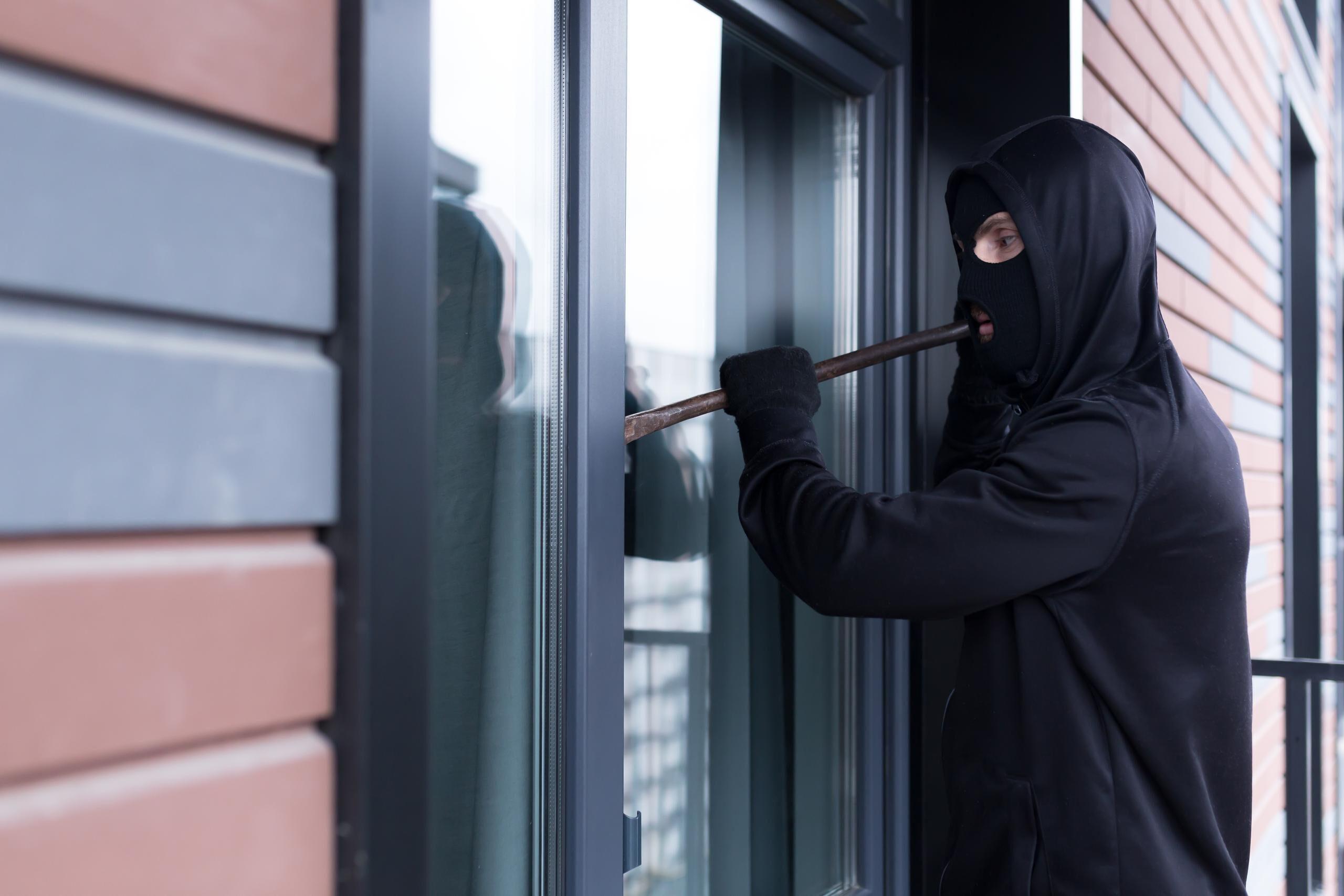
Have you ever woken up at 3 AM, convinced you heard something downstairs, only to spend the next hour debating whether to investigate or hide under the covers? I've been there, and it's precisely why I've spent the last year testing professional home security installations. What I discovered might surprise you.
Santa Clara, with its perfect blend of tech innovation and suburban charm, offers residents an enviable quality of life. The home of Intel, Nvidia, and Santa Clara University exudes a certain Silicon Valley optimism. But even in this thriving community, security concerns persist.
In 2025, property crime rates in Santa Clara remain 28% higher than the national average, even as violent crime stays remarkably low (60% below average). This unusual split creates a specific security challenge for homeowners and the 43.5% of residents who rent.
To truly understand what works in home security, my team and I took an extreme approach: we had five different professional security systems installed in the same house over the course of a year. We wanted to cut through the marketing hype and give you the unfiltered truth about what really protects your home—and what's just expensive window dressing.
After living with multiple systems, I've found that homeowners consistently prioritize three things:
Value-to-reliability ratio: The most expensive system isn't necessarily the best. What matters is consistent performance without false alarms or connectivity issues. A system that works 99% of the time but costs half as much as one that works 99.5% of the time is often the smarter choice for most homes.
Quality of life features: Surprisingly, the security components we used most weren't motion sensors or window contacts—they were video doorbells and garage controls. In 2025, these aren't luxury add-ons; they're essential daily tools. Checking who's at your door while in a meeting or opening your garage for a delivery person from your phone has become as routine as checking email.
Peace of mind investment: Security isn't just about preventing break-ins. It's about fire detection, carbon monoxide monitoring, and knowing your family is protected even when you're away. The most valuable systems provide comprehensive protection without requiring you to become a security expert.
Security technology has evolved dramatically, but some principles remain unchanged.
Today's cutting-edge systems feature AI-powered cameras that can distinguish between people, pets, and vehicles with remarkable accuracy. False alarms from neighborhood cats are finally a thing of the past. The SafeStreets Google Nest integration and Vivint smart home ecosystem lead the pack here.
Wireless technology has also matured. The clunky, unreliable wireless sensors of the 2010s have been replaced with ultra-reliable, battery-efficient components that can run for years without maintenance.
But what hasn't changed? The importance of proper sensor placement, quality monitoring, and rapid response. The fanciest equipment is worthless if it's poorly installed or if no one responds when your alarm triggers.
The security industry can be confusing, so let me break down how the major players work:
ADT operates their own UL-listed monitoring centers across the country, employing thousands of monitoring professionals. When your alarm triggers, these are the people who call you and dispatch police if needed. Their scale allows for redundancy—if one center goes offline, others take over seamlessly.
SafeStreets is an ADT authorized dealer. Think of them as the local face of ADT, handling sales and installation while ADT provides the monitoring backbone. They must meet ADT's strict standards but operate as independent businesses.
Vivint takes a different approach with their direct sales model. They handle everything in-house—from sales to installation to monitoring—giving them tighter control over the customer experience. Their smart home integration is particularly impressive in 2025, with seamless connections to everything from lighting to climate control.
Many local dealers actually operate as authorized dealers for larger companies. The "local" company you're considering might actually install ADT equipment and use ADT monitoring.
Industry secret: Many security companies use the same central monitoring platforms. Alarm.com powers many smaller providers, while ADT and Vivint maintain their own proprietary monitoring infrastructure.
After watching five professional installations and attempting my own DIY setup, I can confidently say: leave this to the pros.
Professional installers know tricks that aren't in any manual. They understand that a motion sensor placed too close to a heating vent will trigger false alarms. They know exactly how high to mount outdoor cameras to prevent tampering while maintaining good visibility.
The most common DIY mistakes I've seen include:
When it comes to your family's safety, the modest cost of professional installation is worth every penny. This isn't the place to cut corners or test your YouTube-acquired skills.
After extensive testing, here are the standout options for Santa Clara residents:
Local options include:
Santa Clara earns a crime grade of 7 (with 10 being safest), largely due to its property crime rate being 28% above the national average. The good news? Violent crime remains 60% below the national average.
For the 43.5% of residents who rent, security systems with flexible installation options like Simplisafe make particular sense. For homeowners, more comprehensive systems from SafeStreets or Vivint provide long-term protection that can actually increase property values.
After a year of testing, my conclusion is clear: while local companies may offer competitive pricing and personalized service, the stability, consistency, and technological edge provided by established national installers like SafeStreets and Vivint justifies their slightly higher cost for most homeowners.
The peace of mind that comes from knowing your system is backed by nationwide monitoring centers with redundant power and communication systems simply can't be matched by smaller operations.
Whatever you choose, don't compromise on professional installation. The security experts I watched work could spot vulnerabilities and opportunities I would have missed entirely. When it comes to protecting what matters most, that expertise isn't optional—it's essential.


Santa Clara has a population of 126,723 and is located in Santa Clara County. According to recent ACS data from the U.S. Census Bureau, the median household income is $136,870. Median home value is $1,120,319, and the median rent is $2,523/month. With a median age of 34 years old, 62% of residents over the age of 24 have at least some college education, with 63.3% having an income over $100,000. 52.7% of households are married.
According to the 2020 Decennial Census, the racial breakdown was as follows:
Home security is more than just cameras that capture bad actors committing crimes. Smart home features such as automated lighting are underrated features that can prevent thefts before they happen.
Professional monitoring is a must, and the choice generally comes down to a balance between the latest technology, overall price, and the service you receive for installation and on-going maintenance.
Our pick for the best home security system is ADT, with its exceptional reputation for customer satisfaction and professional installation, followed closely by Vivint which while slightly more expensive, has the most advanced security technology for your home.
SimpliSafe is our home security system recommendation for renters with its great balance of features and value, while offering minimal installation effort and reasonably priced professional monitoring.

Privacy Policy
Terms and Conditions - Affiliate Policy
Home Security
© Copyright 2008-2026.
11816 Inwood Rd #1211, Dallas, TX 75244