
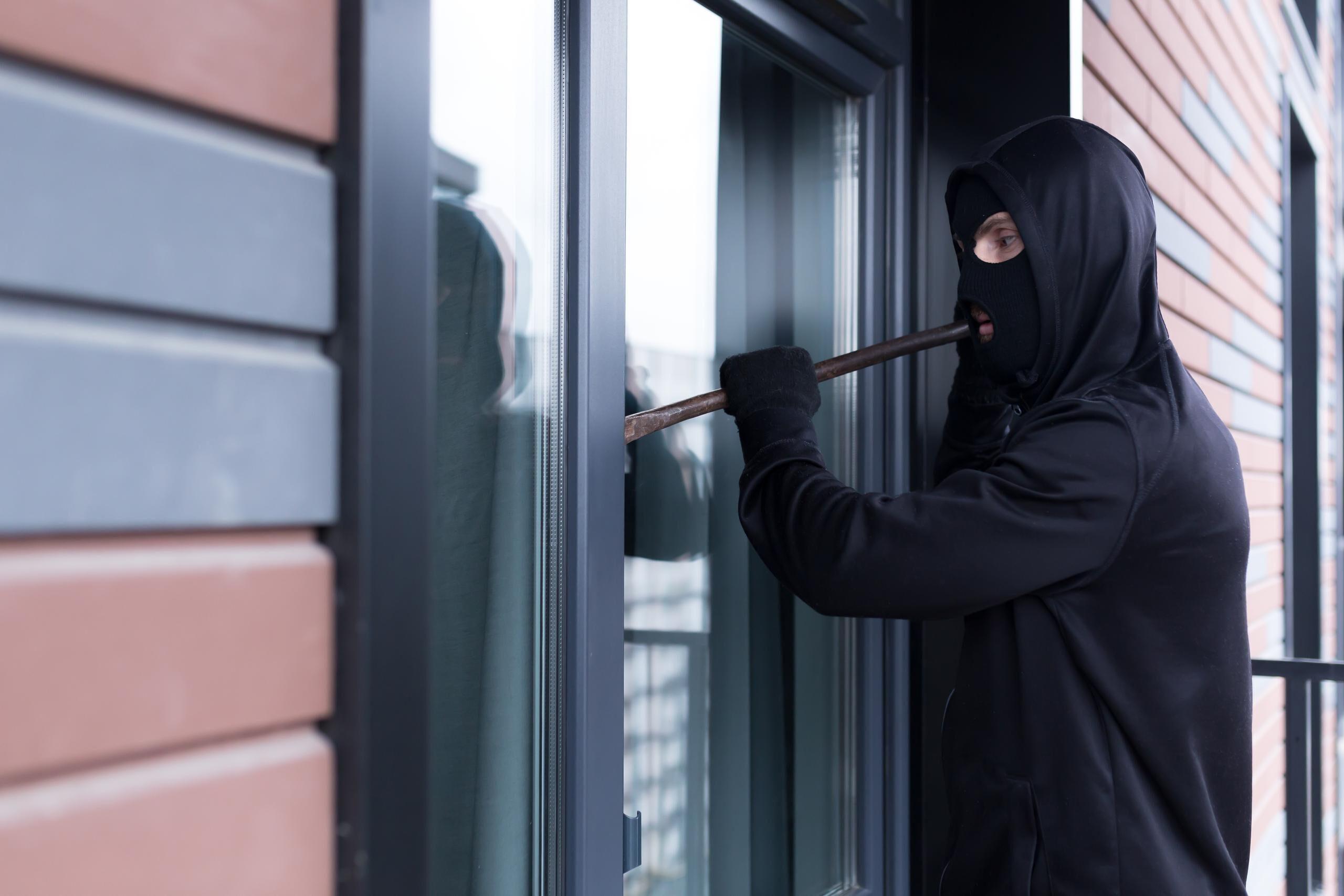
Have you ever wondered if that security system you installed yourself is actually protecting your family—or just giving you a false sense of security? The answer might keep you up at night.
San Mateo is a gorgeous slice of California living, with its perfect climate and stunning views of the San Francisco Bay. But paradise needs protection too. While violent crime rates here are 33% lower than the national average, property crime is actually 12% higher than what most Americans experience. That's why in 2025, home security isn't just a luxury—it's a necessity for both the homeowners and the 52.7% of residents who rent.
I've spent the last year doing something most people would consider crazy: I had five different professional security systems installed in the same house. Why? To cut through the marketing hype and give you the unfiltered truth about what really works. After living with these systems day in and day out at our test facility, I've learned what matters and what's just expensive window dressing.
When you strip away all the bells and whistles, homeowners consistently care about three things:
Value-to-reliability ratio: You don't necessarily need the most expensive system, but you absolutely need one that works when it matters. In our testing, we found that spending about $1,500-2,000 on equipment with professional installation hits the sweet spot for most homes. Go cheaper, and you'll likely sacrifice reliability; go more expensive, and you're often just paying for brand names.
Quality of life features: Surprisingly, the security features you'll use most aren't the motion sensors or window contacts—they're the smart doorbell cameras and garage door controllers. These daily-use items became the most valued parts of every system we tested. Both ADT (through their Google Nest partnership) and Vivint absolutely nail these features, with intuitive interfaces that even my tech-phobic mother could figure out.
Peace of mind: At its core, home security is an investment in sleeping better at night. This includes not just intrusion protection but comprehensive safety—like fire, carbon monoxide, and water leak detection. The best systems we tested integrated all these elements seamlessly.
It's 2025, and security technology has made impressive leaps. Today's systems feature:
But some aspects of security are timeless. Proper sensor placement will always matter more than having the fanciest equipment. A professionally installed basic system will outperform a poorly installed advanced system every time.
To make an informed choice, you need to understand the industry's structure:
ADT operates their own UL-listed monitoring centers throughout the US, employing thousands of trained professionals who respond to alarms 24/7. They've been around for 150+ years, which explains their sometimes old-school approach mixed with new tech through partnerships like their Google Nest integration.
SafeStreets is an ADT authorized dealer—essentially a franchise that sells and installs ADT equipment and services. They follow ADT's installation standards and connect to ADT's monitoring centers, but they handle their own sales and installation teams. This is actually common in the industry; many "local" security companies are actually authorized dealers for larger brands.
Vivint takes a different approach with their direct sales model. They manufacture their own equipment, employ their own installers, and run their own monitoring centers. This vertical integration allows for tighter smart home integration but sometimes at a premium price point.
Here's an industry secret: many security companies, especially smaller local ones, use the same central monitoring platforms. Alarm.com powers thousands of local security dealers nationwide, while ADT maintains their proprietary monitoring infrastructure.
After watching professional installers work and then attempting DIY installations myself, I can confidently say: professional installation is worth every penny, even for tech-savvy homeowners. Here's why:
Professionals know the "tricks of the trade" that DIYers miss:
Common DIY mistakes I made (despite reading all the manuals):
When it comes to protecting your family, this isn't the place to cut corners or learn through trial and error.
Based on our extensive testing and research:
Local options include:
With property crime 12% above the national average and the city earning a crime grade of 6, security isn't optional in San Mateo. While violent crime is 33% lower than the national average (good news!), break-ins and property theft remain concerns for both homeowners and the majority of residents who rent.
Modern security systems don't just protect against break-ins—they create a connected safety net that can alert you to everything from package theft to water leaks to fire dangers, regardless of whether you own or rent your home.
After a year of testing, here's my honest take: while local companies often offer competitive pricing and personalized service, the stability, consistency, and technological edge provided by established national installers like SafeStreets and Vivint is worth the slightly higher cost for most homeowners.
The local companies listed above are reputable options, but they simply can't match the R&D budgets, monitoring infrastructure, and ongoing support of the national players. When something goes bump in the night, you want absolute confidence in the system protecting your family.
Whatever you choose, please don't cut corners on professional installation. The peace of mind that comes from knowing experts have secured every entry point and eliminated every vulnerability in your home is worth far more than the installation fee.
Your family's safety deserves professional expertise. Don't leave it to chance.


San Mateo has a population of 103,619 and is located in San Mateo County. According to recent ACS data from the U.S. Census Bureau, the median household income is $126,102. Median home value is $1,185,749, and the median rent is $2,658/month. With a median age of 37.8 years old, 56.4% of residents over the age of 24 have at least some college education, with 59.7% having an income over $100,000. 51.6% of households are married.
According to the 2020 Decennial Census, the racial breakdown was as follows:
Home security is more than just cameras that capture bad actors committing crimes. Smart home features such as automated lighting are underrated features that can prevent thefts before they happen.
Professional monitoring is a must, and the choice generally comes down to a balance between the latest technology, overall price, and the service you receive for installation and on-going maintenance.
Our pick for the best home security system is ADT, with its exceptional reputation for customer satisfaction and professional installation, followed closely by Vivint which while slightly more expensive, has the most advanced security technology for your home.
SimpliSafe is our home security system recommendation for renters with its great balance of features and value, while offering minimal installation effort and reasonably priced professional monitoring.

Privacy Policy
Terms and Conditions - Affiliate Policy
Home Security
© Copyright 2008-2026.
11816 Inwood Rd #1211, Dallas, TX 75244