
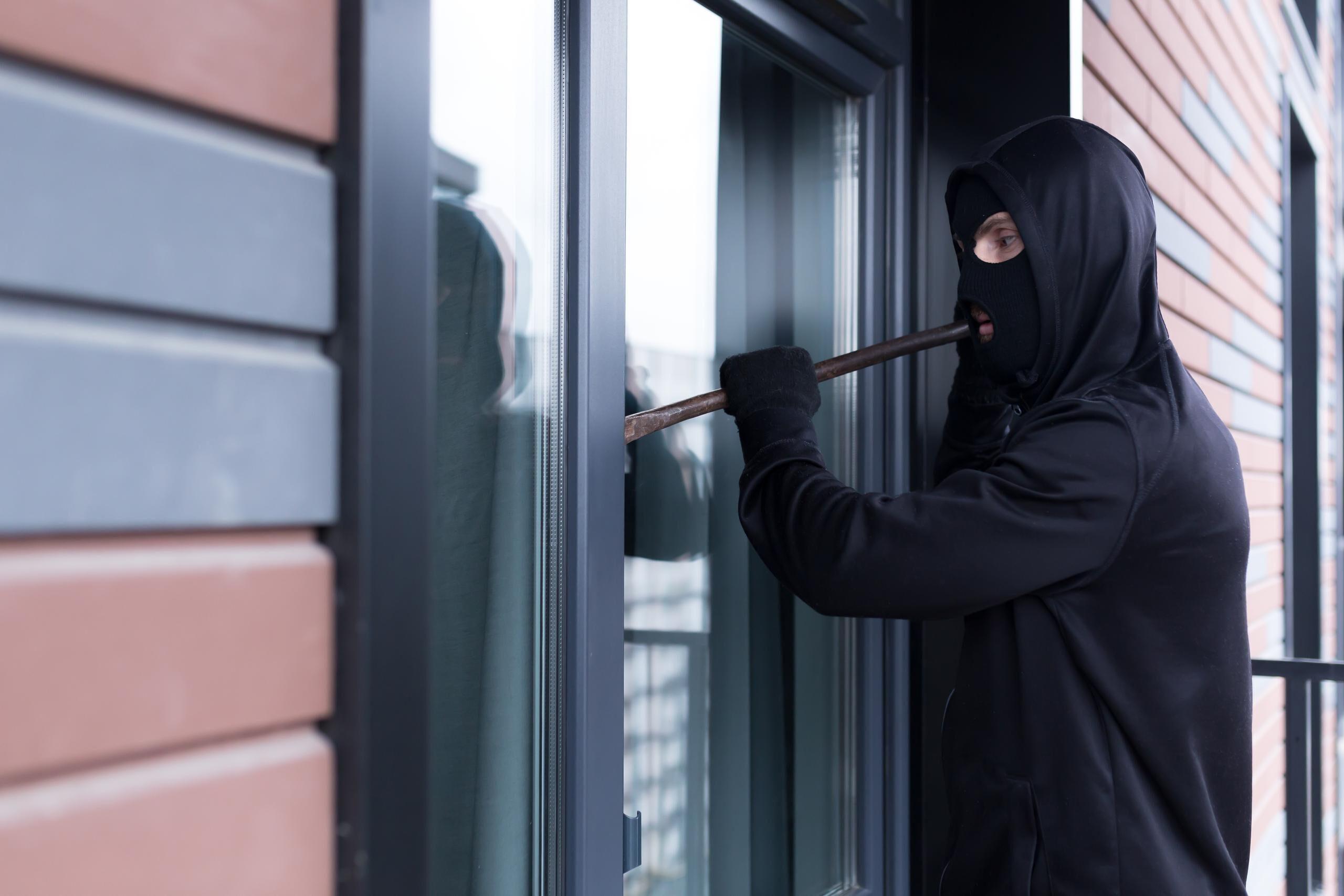
Have you ever wondered if your home security system is actually protecting you, or just providing a false sense of security? I spent months finding out the hard way so you don't have to.
San Francisco's iconic skyline, diverse neighborhoods, and vibrant culture make it one of America's most beloved cities. The Golden Gate Bridge, Fisherman's Wharf, and those charming cable cars create a picturesque urban paradise. But beneath this postcard-perfect exterior lies a reality that residents can't ignore: security concerns.
As someone who's spent the last year testing professional security installations in the same house (yes, we had 5 different systems professionally installed and monitored), I've developed some strong opinions about what actually works. In 2025, the technology is better than ever, but the fundamentals of home security haven't changed. Let me cut through the marketing hype and share what I've learned about securing your San Francisco home.
When it comes to home security, the cheapest option is rarely the best choice. However, the most expensive system isn't necessarily superior either. What matters is the reliability-to-cost ratio. In our testing, we found that mid-tier systems from established providers delivered the most consistent performance without unnecessary premium costs.
The monitoring center quality and response time proved more important than having the fanciest equipment. A basic system that actually works when you need it beats a high-tech system with spotty reliability every time.
Here's something the security companies don't always emphasize: the features you'll use daily aren't always the ones they highlight in their marketing materials.
After living with multiple systems, I can tell you that video doorbells and garage control are by far the most frequently used components of any modern security system. The ability to see who's at your door from anywhere, let in delivery people remotely, and check if you left the garage door open while at work transforms your relationship with your home.
Both ADT (through their Google Nest partnership) and Vivint excel in these everyday convenience features. Their implementations are polished, reliable, and genuinely useful.
Security isn't just about preventing break-ins—it's about comprehensive protection. The best systems integrate fire safety, carbon monoxide detection, and even water leak monitoring alongside intrusion protection.
When we talk about security as an investment, we're talking about reasonable steps to improve safety. You don't need a fortress, but you do need a system that addresses the most likely threats to your home and family.
It's 2025, and security technology has never been more advanced or user-friendly. The latest systems offer:
But some aspects of security are timeless:
ADT operates their own UL-listed monitoring centers across the country, with redundant facilities ensuring your system is always being watched. They employ their own technicians in some areas, but also work with authorized dealers.
SafeStreets is ADT's largest authorized dealer. They sell, install, and service ADT systems, but your monitoring contract is with ADT itself. The benefit? You get ADT's monitoring infrastructure with potentially more competitive pricing and installation availability.
Unlike ADT, Vivint uses a direct sales model. The person who sells you the system, the technician who installs it, and the monitoring center that watches over it all work directly for Vivint. This vertical integration allows for tight quality control but sometimes at a premium price.
Many local security companies in San Francisco are actually authorized dealers for larger brands. They must adhere to the same installation standards and often use the same monitoring centers.
Speaking of monitoring, many security companies don't operate their own centers. Instead, they contract with specialized monitoring providers. Alarm.com is a major platform that powers the backend of numerous local and regional security companies nationwide.
As someone who's technically inclined, I initially thought DIY installation would be sufficient. I was wrong.
Professional installers bring expertise that goes beyond following instructions. They understand:
During our testing, we identified several mistakes DIY installers frequently make:
When it comes to protecting your family and possessions, is saving a few hundred dollars worth the risk of an improperly installed system? Professional installation typically adds $200-500 to the cost, but that's a small price for the assurance that your system will work when you need it most.
The statistics paint a clear picture of why home security is essential in San Francisco. Property crime rates are 124% higher than the national average, while violent crime exceeds the national average by 40%. The city currently has a crime grade of 0 (on a scale where higher is safer).
These numbers matter not just for homeowners but also for the 38% of San Francisco residents who rent. Renters are actually more likely to experience break-ins, making security solutions like Simplisafe particularly valuable for this demographic.
After our extensive testing and living with these systems, I've come to a clear conclusion: while local companies may offer competitive pricing and personalized service, the stability, consistency, and peace of mind provided by established national installers like SafeStreets and Vivint justify their slightly higher cost for most homeowners.
The technology that protects your home shouldn't be an area where you cut corners. Professional installation ensures your system works as intended from day one, with no security gaps or technical oversights.
Don't leave your family's safety to chance. Invest in professional installation from a reputable provider, and sleep better knowing your home is truly secure.



San Francisco has a population of 3,557,982 and is located in San Francisco County. According to recent ACS data from the U.S. Census Bureau, the median household income is $119,136. Median home value is $1,155,764, and the median rent is $2,010/month. With a median age of 38.3 years old, 58.7% of residents over the age of 24 have at least some college education, with 56.2% having an income over $100,000. 39.7% of households are married.
According to the 2020 Decennial Census, the racial breakdown was as follows:
Home security is more than just cameras that capture bad actors committing crimes. Smart home features such as automated lighting are underrated features that can prevent thefts before they happen.
Professional monitoring is a must, and the choice generally comes down to a balance between the latest technology, overall price, and the service you receive for installation and on-going maintenance.
Our pick for the best home security system is ADT, with its exceptional reputation for customer satisfaction and professional installation, followed closely by Vivint which while slightly more expensive, has the most advanced security technology for your home.
SimpliSafe is our home security system recommendation for renters with its great balance of features and value, while offering minimal installation effort and reasonably priced professional monitoring.

Privacy Policy
Terms and Conditions - Affiliate Policy
Home Security
© Copyright 2008-2026.
11816 Inwood Rd #1211, Dallas, TX 75244