
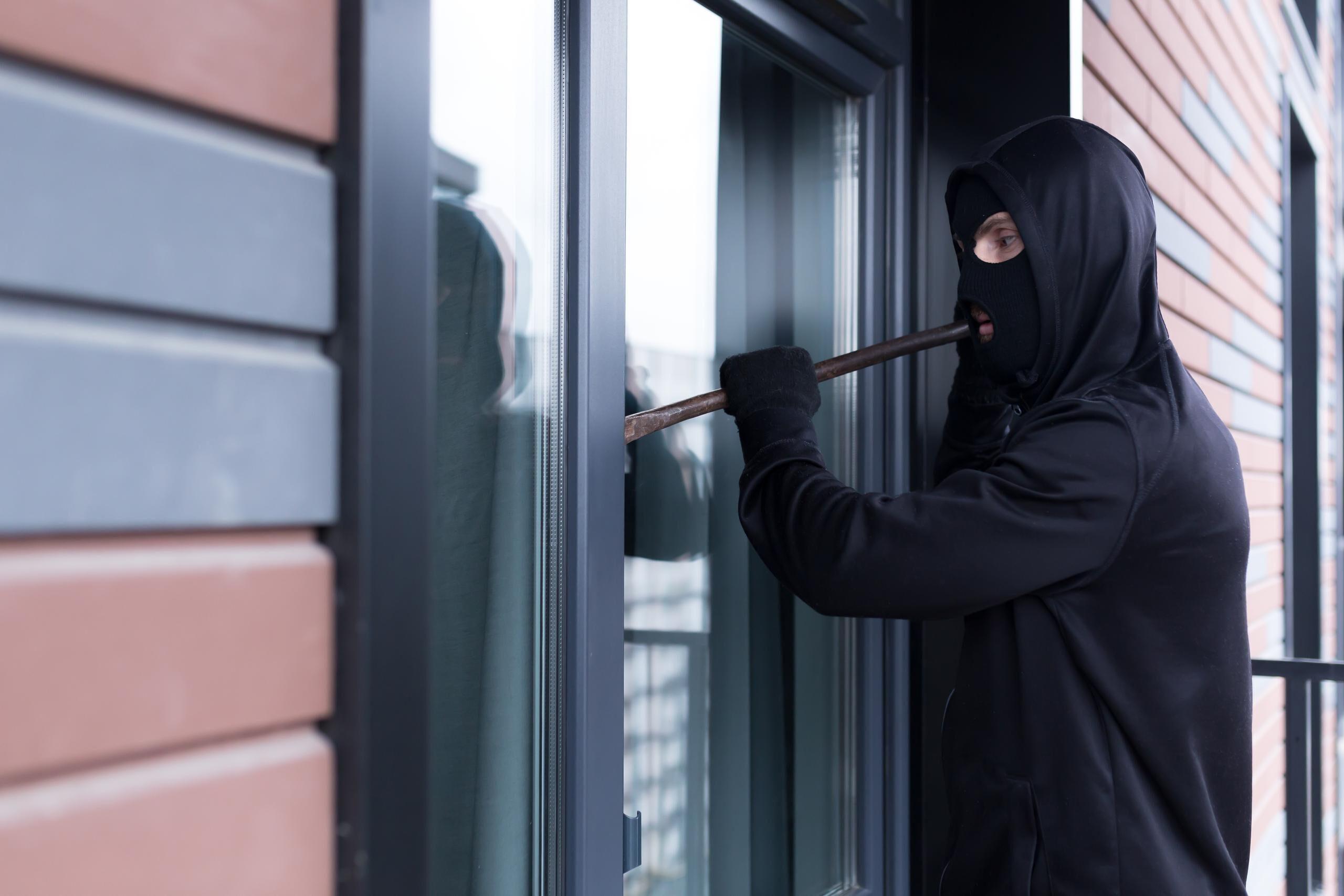
Ever wonder if that security system you're considering is actually worth the investment? Or if the installer knows what they're doing? I've spent the last year testing five different professionally installed security systems in the same house, and what I discovered might surprise you.
Milwaukee's stunning lakefront and vibrant cultural scene make it a fantastic place to call home. But like any major urban area, security concerns can't be ignored. With property crime rates 39% higher than the national average and violent crime a staggering 312% above the national average (earning the city a crime grade of 0), home security isn't just a luxury—it's a necessity for both the homeowners and the 40.7% of residents who rent.
Having personally tested multiple security systems in our Milwaukee test facility, I'm here to cut through the marketing hype and give you the real scoop on what matters when choosing a security system installer in 2025.
When it comes to home security, the cheapest option is rarely the best. But that doesn't mean you need to break the bank either. The sweet spot is finding a system that offers reliability at a reasonable price point.
In my testing, I found that systems in the $30-50 monthly monitoring range typically offer the best balance. Go too cheap, and you'll likely face frustrating false alarms or missed triggers. Go too expensive, and you're paying for bells and whistles you'll never use.
Here's something interesting I discovered during my year of testing: the security features homeowners actually use most aren't always the ones marketed most heavily.
Video doorbells and garage control consistently ranked as the most-used features across all five systems I tested. There's something incredibly convenient about being able to see who's at your door from anywhere or double-checking that you closed the garage after leaving for work.
In 2025, these aren't luxury add-ons anymore—they're must-haves that genuinely improve your daily life while adding security.
A good security system isn't just about preventing break-ins—it's about comprehensive safety. Modern systems now integrate fire and carbon monoxide detection, water leak sensors, and even temperature monitoring to prevent frozen pipes in Milwaukee's harsh winters.
When you view security as an investment in overall peace of mind rather than just burglar prevention, the value proposition becomes much clearer.
Security technology has come a long way in recent years. In 2025, we're seeing AI-powered cameras that can distinguish between people, pets, and vehicles with remarkable accuracy. Mobile apps have become incredibly intuitive, allowing granular control over every aspect of your system.
The ADT and Google Nest partnership has produced some of the most seamless smart home integration I've seen, while Vivint continues to push the envelope with their proprietary equipment that just works.
But some aspects of security remain timeless: proper sensor placement, quality installation, and reliable monitoring will always matter more than having the latest gadget.
ADT operates six monitoring centers across North America, providing redundancy that smaller companies simply can't match. If one center goes offline due to a natural disaster, your home remains protected.
SafeStreets is an ADT authorized dealer, which means they sell, install, and service ADT equipment, but your monitoring contract is with ADT itself. This arrangement gives you the benefit of local installation expertise backed by a national monitoring infrastructure.
Vivint takes a different approach. They design, manufacture, install, and monitor their own equipment through a direct sales model. This vertical integration allows for tighter control over the customer experience and often results in more seamless smart home integration.
Here's an industry secret: many local security companies use the same central monitoring stations. Alarm.com provides the backbone for numerous local dealers nationwide, while ADT maintains their own proprietary monitoring network.
This means the actual response to an alarm may be very similar regardless of which company's name is on your yard sign. The differentiators often come down to equipment quality, installation expertise, and customer service.
As a tech writer who's built computers from scratch and set up complex networks, I initially thought DIY security installation would be a breeze. I was wrong.
Professional installers know things you don't. They understand that a motion sensor placed too close to a heating vent will trigger false alarms. They know the optimal height for cameras to capture faces rather than the tops of heads. They recognize potential entry points you might overlook.
The most common DIY mistakes I've seen include:
When it comes to protecting your family, this isn't the place to learn through trial and error.
As mentioned earlier, Milwaukee's property crime rate exceeds the national average by 39%, while violent crime is a concerning 312% above the national average. These statistics underscore why security isn't optional in Milwaukee—it's essential.
For the 40.7% of Milwaukee residents who rent, security considerations are equally important. While renters may not be able to install permanent systems, options like Simplisafe provide protection without requiring structural changes to the property.
After a year of testing different systems and speaking with dozens of Milwaukee homeowners, here's my bottom line: while local companies often offer competitive pricing and personalized service, the stability, consistency, and technological advantages of established national installers like SafeStreets and Vivint typically justify their slightly higher cost.
The peace of mind that comes from knowing your system is backed by redundant monitoring centers, continuous software updates, and established service protocols is valuable—especially when Milwaukee's crime statistics are considered.
Whatever you choose, don't cut corners on professional installation. The few hundred dollars you might save doing it yourself could cost you far more in compromised security or, worse, a preventable break-in.
Your family's safety deserves professional expertise. Make the call today.




Milwaukee has a population of 1,390,046 and is located in Milwaukee County. According to recent ACS data from the U.S. Census Bureau, the median household income is $43,125. Median home value is $127,622, and the median rent is $866/month. With a median age of 31.4 years old, 24.6% of residents over the age of 24 have at least some college education, with 15.2% having an income over $100,000. 29.8% of households are married.
According to the 2020 Decennial Census, the racial breakdown was as follows:
Home security is more than just cameras that capture bad actors committing crimes. Smart home features such as automated lighting are underrated features that can prevent thefts before they happen.
Professional monitoring is a must, and the choice generally comes down to a balance between the latest technology, overall price, and the service you receive for installation and on-going maintenance.
Our pick for the best home security system is ADT, with its exceptional reputation for customer satisfaction and professional installation, followed closely by Vivint which while slightly more expensive, has the most advanced security technology for your home.
SimpliSafe is our home security system recommendation for renters with its great balance of features and value, while offering minimal installation effort and reasonably priced professional monitoring.

Privacy Policy
Terms and Conditions - Affiliate Policy
Home Security
© Copyright 2008-2026.
11816 Inwood Rd #1211, Dallas, TX 75244