
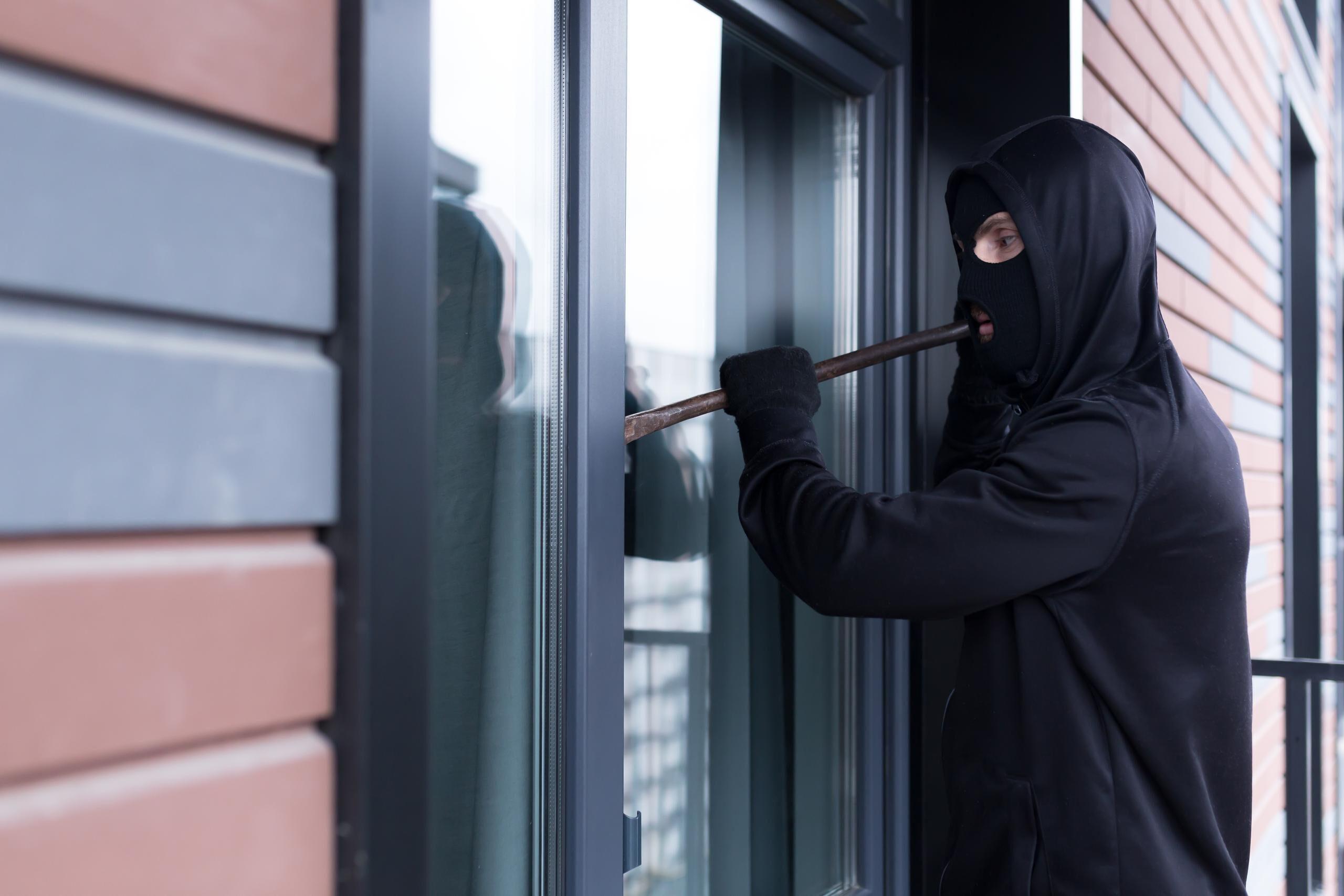
Have you ever wondered if that security system you're considering is actually protecting what matters most, or just giving you a false sense of security? The answer might surprise you.
Hayward, with its vibrant diversity and beautiful Bay Area location, offers residents a wonderful place to call home. But like any city, it faces security challenges that homeowners and renters alike need to address. After spending 2024 testing five different professionally installed security systems in the same house (yes, my neighbors thought I was paranoid), I've learned what actually matters beneath all the marketing hype.
As we move through 2025, security technology has evolved dramatically, but so have the tactics of those who might target your home. Let me share what I've discovered to help you make truly informed decisions about protecting your castle.
When I talk to homeowners about security, they often focus on the wrong things. After months of testing, here's what actually matters:
The cheapest system isn't necessarily the worst, and the most expensive isn't automatically the best. What matters is reliability under pressure. Will your system work when you need it most? The sweet spot is finding a system that balances cost with dependable performance. In my testing, I found systems in the $30-60/month range typically hit this balance point.
Surprisingly, the features homeowners end up using most aren't the motion sensors or window contacts – it's the smart doorbell cameras and garage controls. These daily-use items provide immediate practical benefits:
Both ADT (through their Google Nest partnership) and Vivint have absolutely nailed these features in 2025, making them seamless to use even for the tech-challenged.
Security isn't just about preventing break-ins – it's about comprehensive protection. The best systems now integrate fire and carbon monoxide detection alongside intrusion protection. This holistic approach means you're covered against multiple threats with one system. It's about doing the most reasonable thing possible to improve safety, not turning your home into Fort Knox.
Security technology has made impressive leaps forward this year. The most cutting-edge systems now feature:
But some aspects of security remain timeless:
This is where things get interesting – and where most homeowners are in the dark.
ADT operates their own UL-listed monitoring centers across the country, providing redundancy if one center goes offline. They employ their own technicians in many markets and have standardized installation practices. When you call ADT's emergency number, you're speaking to an ADT employee in an ADT facility.
SafeStreets is an ADT authorized dealer – essentially a franchise that sells and installs ADT equipment and services. They must follow ADT's installation standards and connect to ADT's monitoring centers. The benefit? Often more competitive pricing than going directly through ADT, with the same monitoring quality.
Vivint takes a different approach with their direct sales model. They manufacture much of their own equipment, employ their own installers, and operate their own monitoring centers. This vertical integration allows them to create a tightly integrated smart home ecosystem with security at its core. Their app experience is particularly polished as a result.
Here's an industry secret: many local security companies don't actually do their own monitoring. They often use white-label services from companies like Alarm.com, which powers thousands of local security dealers nationwide. This isn't necessarily bad – Alarm.com is excellent – but it's something to know when a local company claims to have "24/7 monitoring."
After watching professional installers work and then attempting DIY installations myself, I can confidently say: there's a significant difference.
Professional installers know things you don't:
I made these mistakes myself:
When it comes to protecting your family and possessions, this isn't the place to learn through trial and error. Professional installation typically adds $200-500 to the upfront cost but dramatically increases system effectiveness.
After extensive testing and research, here are the best options for Hayward residents:
Understanding the local context helps make informed security decisions. Hayward's property crime rate is 70% higher than the national average, while violent crime is 15% lower. The city has a crime grade of 1 (on a scale where 1 is high crime).
With over half of Hayward residents renting, security solutions need to work for both homeowners and renters. Renters particularly benefit from wireless systems that can move with them and don't require permanent modifications.
After living with systems from both national and local providers, here's my take: while local companies often offer competitive pricing and personalized service, the established infrastructure of national installers like SafeStreets and Vivint provides advantages that are difficult to match.
The slightly higher monthly cost (typically $5-10 more per month) buys you access to better apps, more reliable monitoring, and faster service when issues arise. For most Hayward homeowners, this premium is worth the peace of mind.
Whatever you choose, don't skimp on professional installation. The expertise of a trained installer is the foundation upon which your entire security system rests. Your family's safety is worth doing right the first time.
Have you had experiences with security systems in Hayward? I'd love to hear about them in the comments below!

Hayward has a population of 158,817 and is located in Alameda County. According to recent ACS data from the U.S. Census Bureau, the median household income is $91,490. Median home value is $619,837, and the median rent is $1,914/month. With a median age of 36 years old, 29.8% of residents over the age of 24 have at least some college education, with 45.3% having an income over $100,000. 46.1% of households are married.
According to the 2020 Decennial Census, the racial breakdown was as follows:
Home security is more than just cameras that capture bad actors committing crimes. Smart home features such as automated lighting are underrated features that can prevent thefts before they happen.
Professional monitoring is a must, and the choice generally comes down to a balance between the latest technology, overall price, and the service you receive for installation and on-going maintenance.
Our pick for the best home security system is ADT, with its exceptional reputation for customer satisfaction and professional installation, followed closely by Vivint which while slightly more expensive, has the most advanced security technology for your home.
SimpliSafe is our home security system recommendation for renters with its great balance of features and value, while offering minimal installation effort and reasonably priced professional monitoring.

Privacy Policy
Terms and Conditions - Affiliate Policy
Home Security
© Copyright 2008-2026.
11816 Inwood Rd #1211, Dallas, TX 75244