
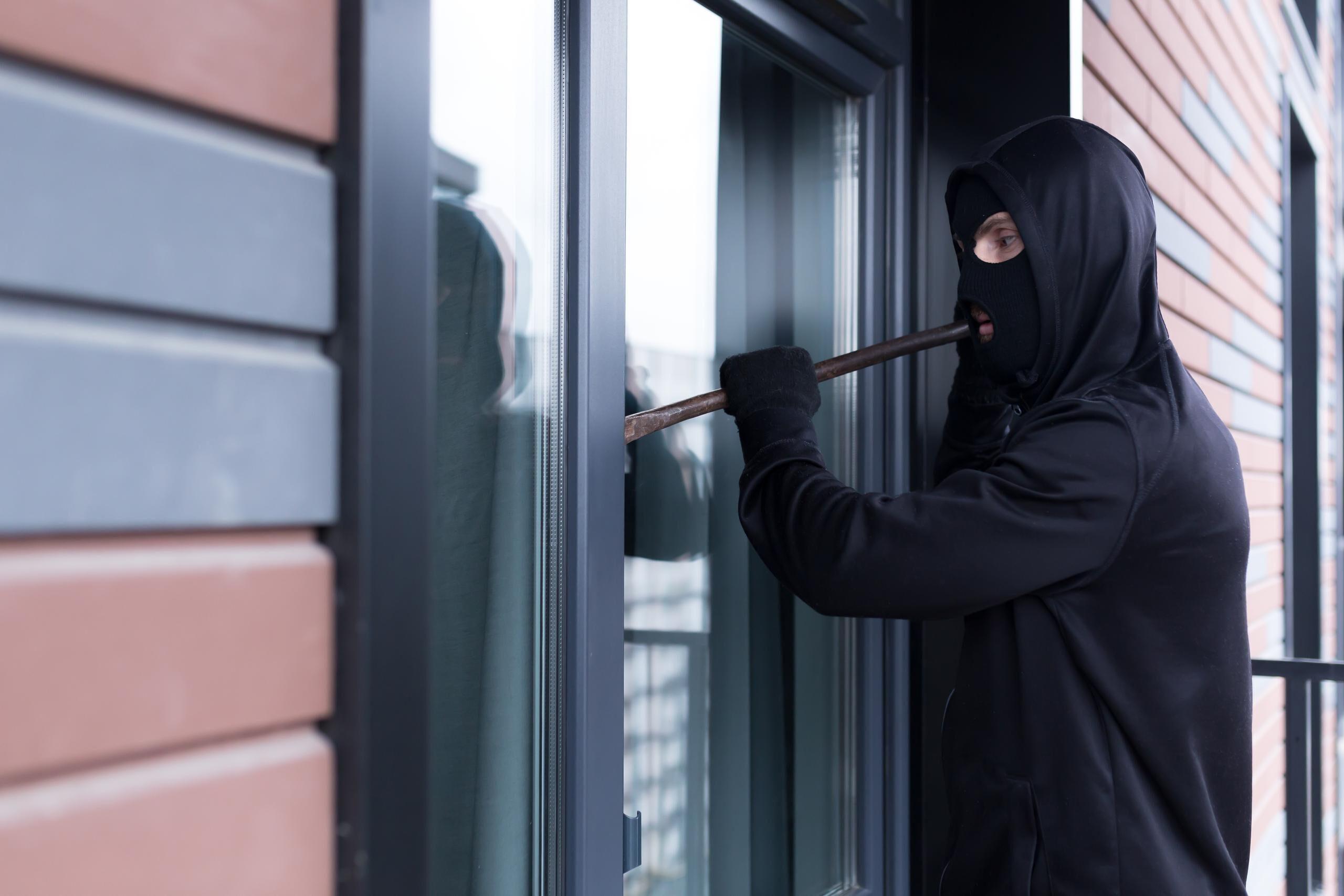
Have you ever wondered if that security system you're considering is actually protecting what matters most, or just giving you a false sense of security? The answer might surprise you.
Greenville, North Carolina is a vibrant college town with a charming downtown, fantastic restaurants, and that perfect blend of small-town feel with big-city amenities. But as any local knows, our growing community isn't immune to security concerns.
With property crime rates 34% higher than the national average, home security isn't just a luxury—it's becoming a necessity for many Greenville residents.
Here's where I come in. In 2025, I've done something a bit extreme: I've personally tested five different professionally installed security systems in the same house. Why? To cut through the marketing hype and give you the unfiltered truth about what actually works to keep your home safe.
Let me share what I've learned after months of living with these systems, triggering countless alarms (sorry, neighbors!), and grilling installers with the questions most homeowners don't know to ask.
When it comes to home security, the cheapest option is rarely the best value. Think of it like insurance—you hope you never need it, but when you do, you want it to work flawlessly. The systems that consistently performed in my testing weren't necessarily the most expensive, but they were the most reliable.
The sweet spot? Systems that offer professional monitoring at around $40-60 monthly with equipment that doesn't require replacement every few years.
Here's something fascinating I discovered: The security features homeowners use most aren't actually the alarm components. They're the convenience features.
Video doorbells have become absolutely essential—I use mine multiple times daily for package deliveries, visitor screening, and just checking what's happening outside. Similarly, garage door control has proven invaluable (no more turning around 10 minutes into your commute wondering "did I close the garage?").
These aren't just bells and whistles—they're the features that transform a security system from a rarely-used emergency tool into something that enhances your daily life.
Let's be honest—the statistical likelihood of a home invasion is relatively low, even in higher-crime areas. But the peace of mind that comes from knowing your home is protected? That's priceless.
And don't forget fire safety—modern security systems now integrate smoke and carbon monoxide detection with professional monitoring, potentially saving lives when you're not home to hear the alarm.
Security technology has evolved dramatically. In 2025, we're seeing:
The ADT and Google Nest partnership has produced particularly impressive video analytics, while Vivint's smart home integration remains the most intuitive I've tested.
But some security principles remain timeless: properly positioned motion sensors, door/window contacts on all ground-level entry points, and professional monitoring that responds when you can't.
This is the insider info most companies don't share upfront:
ADT operates their own monitoring centers (six nationwide) with redundant power and staffing. But here's what most people don't realize: when you call "ADT," you might actually be talking to SafeStreets, their largest authorized dealer.
SafeStreets and other authorized dealers must meet ADT's installation standards and sell ADT-approved equipment, but they handle their own sales, installation, and first-line customer service. The monitoring itself happens through ADT's centers.
Vivint takes a different approach with their direct sales and service model. They design, manufacture, install, and monitor their own equipment—a vertically integrated approach that results in better system cohesion but sometimes higher costs.
Here's something fascinating: many local security companies actually use the same backend monitoring platforms. Alarm.com powers thousands of local dealers nationwide, while ADT uses their proprietary monitoring infrastructure.
This means the actual alarm response process might be nearly identical between a national brand and your local provider—the difference often comes down to installation quality and customer service.
After watching professional installers work and attempting some DIY installations myself, I can confidently say: professional installation is worth every penny, even if you're technically inclined.
Professional installers know exactly where to place motion sensors to avoid false alarms from pets or HVAC systems. They understand the blind spots in coverage that homeowners often miss. They properly secure equipment against tampering.
One installer showed me how he slightly angled a motion sensor away from heating vents—a small adjustment that prevented dozens of potential false alarms.
The most common DIY mistakes I've seen include:
When it comes to protecting your family, this isn't the place to cut corners.
After extensive testing, here are my recommendations:
Greenville's property crime rate exceeds the national average by 34%, while violent crime is 13% higher. With a crime grade of 1 (among the highest risk levels), security isn't just a luxury.
For the 33.6% of residents who rent, portable systems like Simplisafe provide protection without permanent modifications. For homeowners, a comprehensive system with professional monitoring offers the best protection for your investment.
While local companies may offer competitive pricing and personalized service, my testing revealed that the established national installers—particularly SafeStreets and Vivint—provide more reliable equipment, better app experiences, and more consistent monitoring.
The price difference is typically small (around $5-10 monthly), but the peace of mind from knowing your system is backed by a company with decades of experience and substantial resources is significant.
Whatever you choose, don't compromise on professional installation. The expertise these technicians bring ensures your system works when you need it most—and that's something you can't put a price on.
Ready to secure your Greenville home the right way? Start with a professional consultation from a reputable installer. Your family's safety is worth it.


Greenville has a population of 129,374 and is located in Pitt County. According to recent ACS data from the U.S. Census Bureau, the median household income is $42,612. Median home value is $158,181, and the median rent is $823/month. With a median age of 26.8 years old, 37.9% of residents over the age of 24 have at least some college education, with 17.3% having an income over $100,000. 29.6% of households are married.
According to the 2020 Decennial Census, the racial breakdown was as follows:
Home security is more than just cameras that capture bad actors committing crimes. Smart home features such as automated lighting are underrated features that can prevent thefts before they happen.
Professional monitoring is a must, and the choice generally comes down to a balance between the latest technology, overall price, and the service you receive for installation and on-going maintenance.
Our pick for the best home security system is ADT, with its exceptional reputation for customer satisfaction and professional installation, followed closely by Vivint which while slightly more expensive, has the most advanced security technology for your home.
SimpliSafe is our home security system recommendation for renters with its great balance of features and value, while offering minimal installation effort and reasonably priced professional monitoring.

Privacy Policy
Terms and Conditions - Affiliate Policy
Home Security
© Copyright 2008-2026.
11816 Inwood Rd #1211, Dallas, TX 75244