
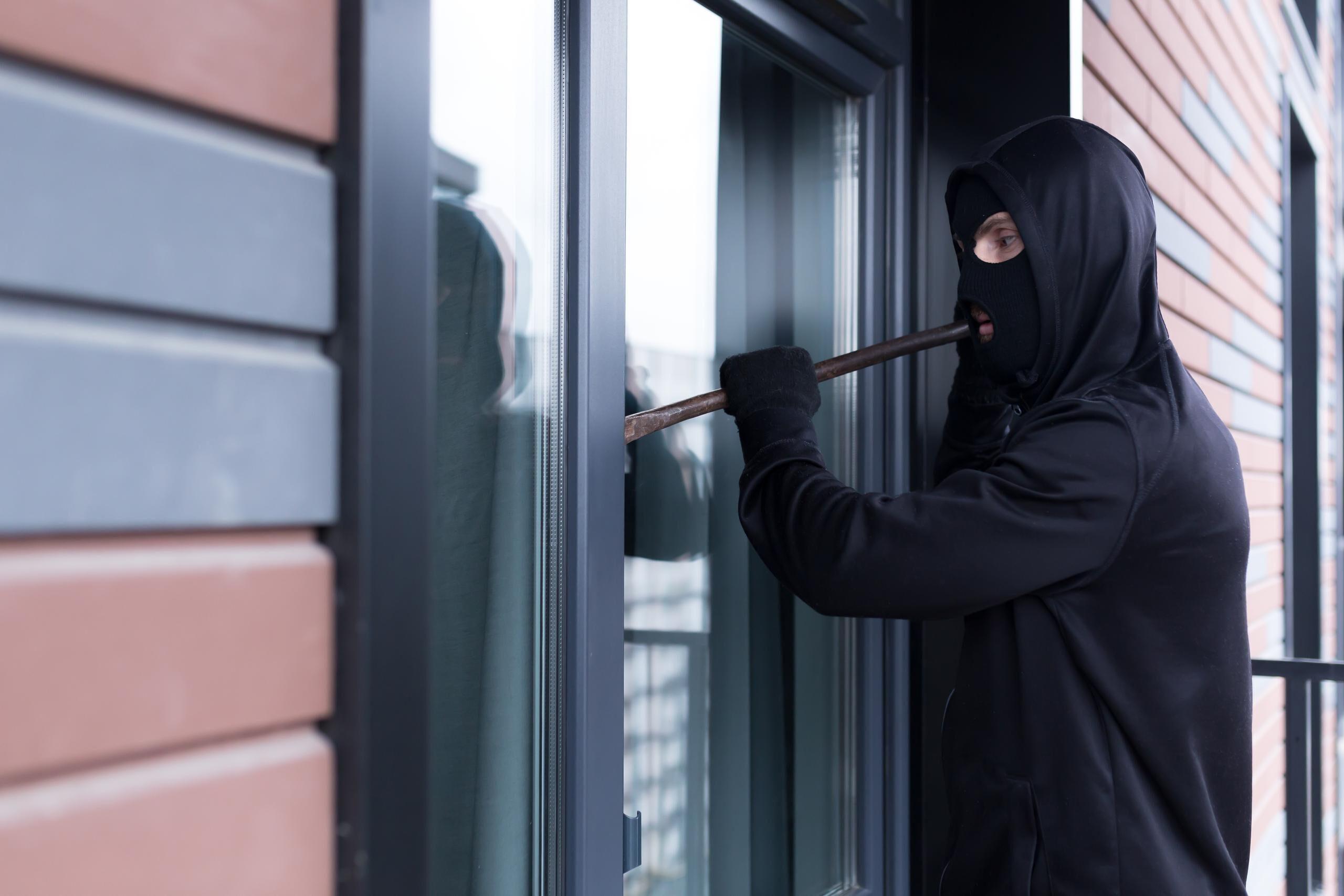
Have you ever wondered if your home is actually protected, or just feels protected? I found myself asking this question after a suspicious van circled my neighborhood three times in one afternoon. That's what led me down the rabbit hole of home security systems—and boy, was it eye-opening.
Garden Grove is a slice of Southern California paradise, with its strawberry festival, proximity to Disneyland, and vibrant Korean and Vietnamese communities. The weather's practically perfect, and the neighborhoods have that classic suburban charm. But paradise needs protection.
While violent crime rates are actually 23% lower than the national average (good news!), property crime is 17% higher than average, earning the city a crime grade of 5. That's... not great.
After hearing about break-ins nearby, I decided to go all-in on research. Over the past year, I've had five different security systems professionally installed in the same house—yes, my poor neighbors have watched a parade of installation vans come and go. But I wanted to cut through the marketing hype and find out what actually works in 2025. Here's what I discovered.
After countless conversations with installers, security experts, and fellow homeowners, I've found that most people want the same thing: reliable protection without breaking the bank.
You don't need to spend $10,000 on a system that would make Fort Knox jealous. But that $99 special from the big box store? It's probably not going to cut it either. The sweet spot is a professionally installed system with 24/7 monitoring that covers your entry points and high-risk areas.
Here's something nobody told me: the security features you'll use most often have nothing to do with burglars.
My video doorbell has become indispensable—not for catching thieves, but for seeing when packages arrive, greeting visitors remotely, and yes, occasionally checking if my teenager actually came home by curfew. Similarly, garage door control has saved me countless "did I close the garage?" panic moments while I'm halfway to work.
Both ADT (through their Google Nest partnership) and Vivint have absolutely nailed these everyday features. They're not just security tools—they're quality of life upgrades.
Let's be honest: the statistical likelihood of a home invasion is relatively low. But the peace of mind that comes from knowing you've done everything reasonable to protect your family? That's priceless.
And don't forget about fire safety—modern security systems include smoke and carbon monoxide detection that can literally save lives. When my neighbor's house had an electrical fire last year, it was their security system that alerted them at 3 AM, not their standalone smoke detector that had a dead battery.
Security technology has made impressive leaps in 2025. AI-powered cameras can now distinguish between a prowler and your neighbor's cat with scary accuracy. Facial recognition lets you know exactly who's at your door. And integration with smart home features is seamless—your lights can automatically turn on when motion is detected at night.
But some aspects of security are timeless:
The best systems combine cutting-edge tech with these timeless principles.
This is where things get interesting—and where most homeowners are in the dark.
ADT is the 800-pound gorilla of home security, with 140+ years in business. But here's what most people don't know: when you call ADT, you're often connected with an authorized dealer like SafeStreets, not ADT directly.
SafeStreets is essentially an ADT franchise. They install ADT equipment, connect you to ADT monitoring centers, and follow ADT's standards. The benefit? You get ADT's rock-solid monitoring infrastructure with potentially more personalized local service.
Vivint takes a different approach. They design, manufacture, install, and monitor their systems directly—no middlemen. Their sales reps come to your home, design a custom system, and their own technicians install it. This vertical integration means tighter quality control but sometimes higher prices.
Here's an industry secret: many local security companies use the same monitoring centers. Alarm.com provides the backbone for countless local dealers nationwide. So that small local company might be connecting to the exact same monitoring infrastructure as the big national brands.
After watching five professional installations and attempting one DIY setup, I can confidently say: leave this to the pros.
Professional installers know things you don't:
One installer showed me how a previous DIY job had placed motion sensors where they could be easily avoided by someone who knew what they were doing. Yikes.
The most common DIY mistakes I've seen:
When it comes to your family's safety, this isn't the place to cut corners or learn by trial and error.
After all my testing, here are my recommendations:
As mentioned earlier, Garden Grove has 17% higher property crime than the national average, while violent crime is 23% lower. This pattern is typical of suburban areas near major metropolitan centers.
What's particularly relevant is that both homeowners and the 53.7% of residents who rent need security. Renters actually experience higher rates of property crime nationally, making systems like Simplisafe particularly valuable for Garden Grove's large renter population.
After my year of testing, here's my verdict: while local companies often offer competitive pricing and personalized service, the stability and consistency provided by established national installers like SafeStreets and Vivint is worth the slightly higher cost for most homeowners.
The difference comes down to monitoring reliability, equipment quality, and long-term support. When your 3 AM emergency happens, you want rock-solid response protocols and redundant monitoring centers.
Don't leave your family's safety to chance. Schedule a professional security consultation today, and sleep better tomorrow night knowing you've made an informed choice about your Garden Grove home's protection.


Garden Grove has a population of 172,800 and is located in Orange County. According to recent ACS data from the U.S. Census Bureau, the median household income is $73,611. Median home value is $579,713, and the median rent is $1,631/month. With a median age of 39 years old, 22.7% of residents over the age of 24 have at least some college education, with 35.3% having an income over $100,000. 47.2% of households are married.
According to the 2020 Decennial Census, the racial breakdown was as follows:
Home security is more than just cameras that capture bad actors committing crimes. Smart home features such as automated lighting are underrated features that can prevent thefts before they happen.
Professional monitoring is a must, and the choice generally comes down to a balance between the latest technology, overall price, and the service you receive for installation and on-going maintenance.
Our pick for the best home security system is ADT, with its exceptional reputation for customer satisfaction and professional installation, followed closely by Vivint which while slightly more expensive, has the most advanced security technology for your home.
SimpliSafe is our home security system recommendation for renters with its great balance of features and value, while offering minimal installation effort and reasonably priced professional monitoring.

Privacy Policy
Terms and Conditions - Affiliate Policy
Home Security
© Copyright 2008-2026.
11816 Inwood Rd #1211, Dallas, TX 75244