
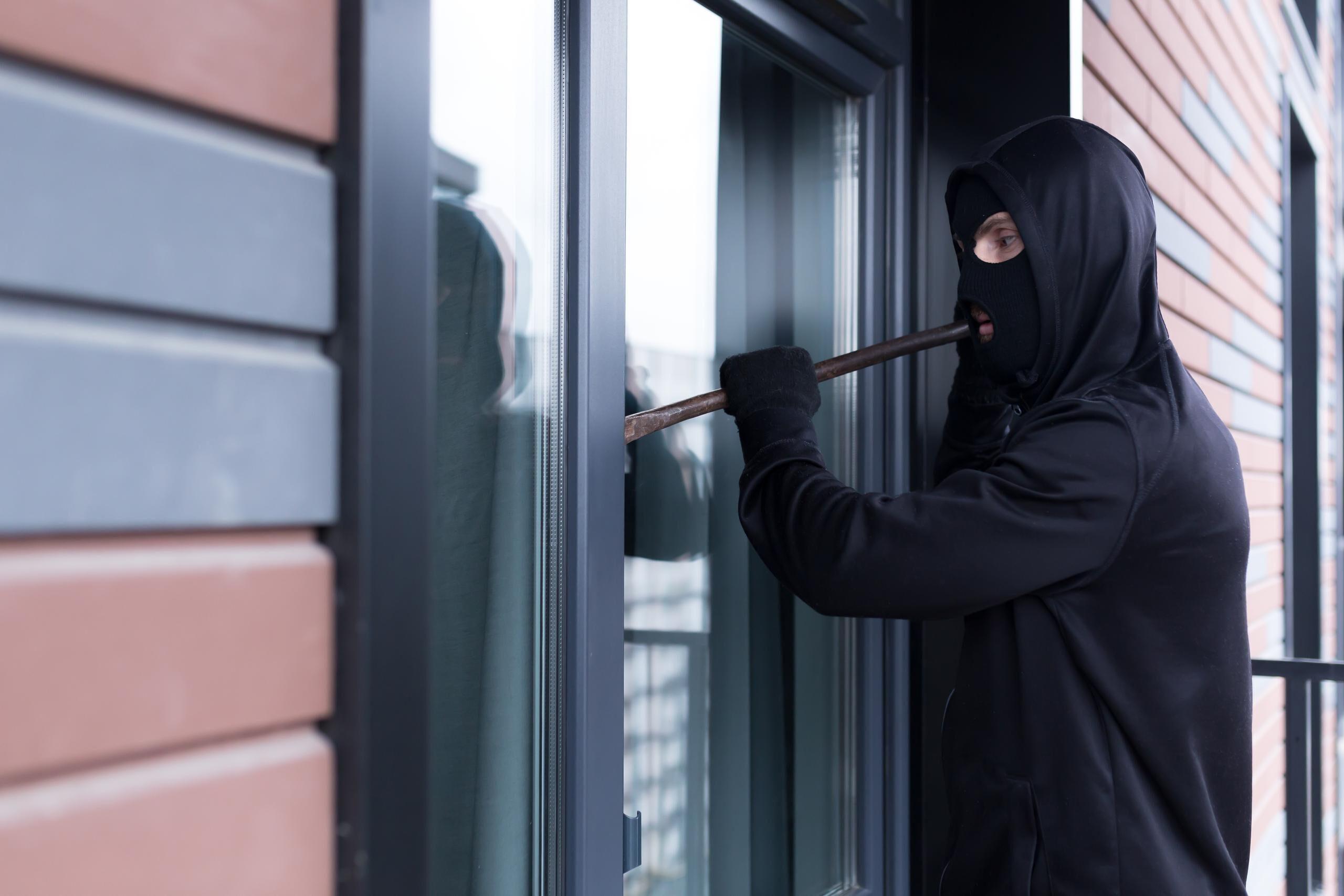
Have you ever wondered if that security system you're considering is actually protecting what matters most, or just giving you a false sense of security? The answer might surprise you.
Gainesville, with its charming blend of college-town energy and natural beauty, offers residents a unique quality of life that's hard to match elsewhere in Florida. The oak-lined streets and vibrant cultural scene make it a fantastic place to call home. But beneath this idyllic surface lies a concerning reality: security challenges that many residents aren't adequately prepared for.
In 2025, I've personally tested five different professionally installed security systems in the same house (yes, my neighbors think I'm paranoid), and I'm here to cut through the marketing hype and give you the straight facts. After living with these systems day-to-day and putting them through their paces, I've discovered what actually matters—and what's just expensive window dressing.
When it comes to home security, the most expensive option isn't always the best. What matters is reliability—will the system work when you need it most? In my testing, I found that mid-tier packages from reputable companies often provide the sweet spot of value and dependability. The difference between a $1,500 and $3,000 system often comes down to bells and whistles, not core security functionality.
Here's something the industry doesn't emphasize enough: the features you'll use daily matter more than the ones that sound impressive in a sales pitch. After months of testing, two features consistently proved most valuable:
These seemingly simple features provided more day-to-day value than advanced motion sensors or glass break detectors. Both ADT (through their Google Nest partnership) and Vivint excel in these areas, with interfaces that make these functions seamless.
The truth is, you're not just buying equipment—you're investing in peace of mind. This includes comprehensive protection against both intruders and environmental threats. Many homeowners overlook fire safety integration, which can be literally life-saving. A proper security system should monitor for both security breaches and environmental hazards like fire, carbon monoxide, and water leaks.
Security technology has made impressive leaps in 2025. AI-powered cameras can now distinguish between a prowler and your neighbor's cat with remarkable accuracy. Mobile apps have become incredibly intuitive, allowing granular control over every aspect of your system.
However, some aspects of security remain timeless:
The best systems in 2025 combine cutting-edge technology with these timeless principles. For example, Vivint's latest AI cameras are impressive, but their effectiveness still depends on proper placement and integration.
ADT operates a network of six monitoring centers across the US, ensuring redundancy if one center experiences issues. Their business model focuses on long-term customer relationships, typically with 36-month contracts. What many don't realize is that ADT doesn't install most of their systems directly—they work through authorized dealers.
SafeStreets is ADT's largest authorized dealer. They handle sales, installation, and initial customer service, but your monitoring and ongoing service come directly from ADT. This arrangement allows ADT to maintain consistent standards while leveraging local expertise. The equipment, monitoring, and guarantees are identical to what you'd get directly from ADT.
Vivint takes a different approach with their direct sales and installation model. They design, manufacture, and install their own equipment, giving them tighter control over the entire customer experience. Their focus on smart home integration sets them apart, with some of the most seamless connections between security and home automation I've tested.
Here's something rarely discussed: many local security companies use the same central monitoring stations. Alarm.com powers the backend for countless local providers, while ADT's monitoring infrastructure serves numerous authorized dealers. This means the actual emergency response infrastructure might be identical between a national brand and your local provider.
As someone who's technically inclined, I initially thought DIY installation would be a breeze. I was wrong. After watching professionals install five different systems, I noticed countless "tricks of the trade" that make a significant difference:
Common DIY mistakes include placing motion sensors too low (triggered by pets), installing door sensors improperly (creating false alarms), and positioning cameras where they're easily disabled. These aren't just inconveniences—they're security vulnerabilities that could leave your home exposed when you need protection most.
The statistics paint a concerning picture: property crime in Gainesville is 62% higher than the national average, while violent crime rates soar at 99% above the national average. The city currently has a crime grade of F. These aren't just numbers—they represent real risks to both the 61.3% of residents who own homes and the 38.7% who rent.
A properly installed security system isn't just a luxury—it's increasingly becoming a necessity in this environment.
After my extensive testing, here's my straightforward conclusion: while local companies may offer competitive pricing and personalized service, the stability, consistency, and technological edge provided by established national installers like SafeStreets and Vivint typically justifies their slightly higher cost.
Local companies can provide excellent service, but they often lack the resources for continuous platform improvements and may face challenges with long-term support and monitoring infrastructure.
Whatever you choose, don't compromise on professional installation. The difference between a properly installed system and a DIY job can be the difference between actual security and the mere illusion of it. Your home and family deserve the protection that only comes from having experts handle the installation of what could be your most important home investment.

Gainesville has a population of 203,541 and is located in Alachua County. According to recent ACS data from the U.S. Census Bureau, the median household income is $38,028. Median home value is $178,237, and the median rent is $965/month. With a median age of 26.4 years old, 47.9% of residents over the age of 24 have at least some college education, with 15.2% having an income over $100,000. 23.5% of households are married.
According to the 2020 Decennial Census, the racial breakdown was as follows:
Home security is more than just cameras that capture bad actors committing crimes. Smart home features such as automated lighting are underrated features that can prevent thefts before they happen.
Professional monitoring is a must, and the choice generally comes down to a balance between the latest technology, overall price, and the service you receive for installation and on-going maintenance.
Our pick for the best home security system is ADT, with its exceptional reputation for customer satisfaction and professional installation, followed closely by Vivint which while slightly more expensive, has the most advanced security technology for your home.
SimpliSafe is our home security system recommendation for renters with its great balance of features and value, while offering minimal installation effort and reasonably priced professional monitoring.

Privacy Policy
Terms and Conditions - Affiliate Policy
Home Security
© Copyright 2008-2026.
11816 Inwood Rd #1211, Dallas, TX 75244