
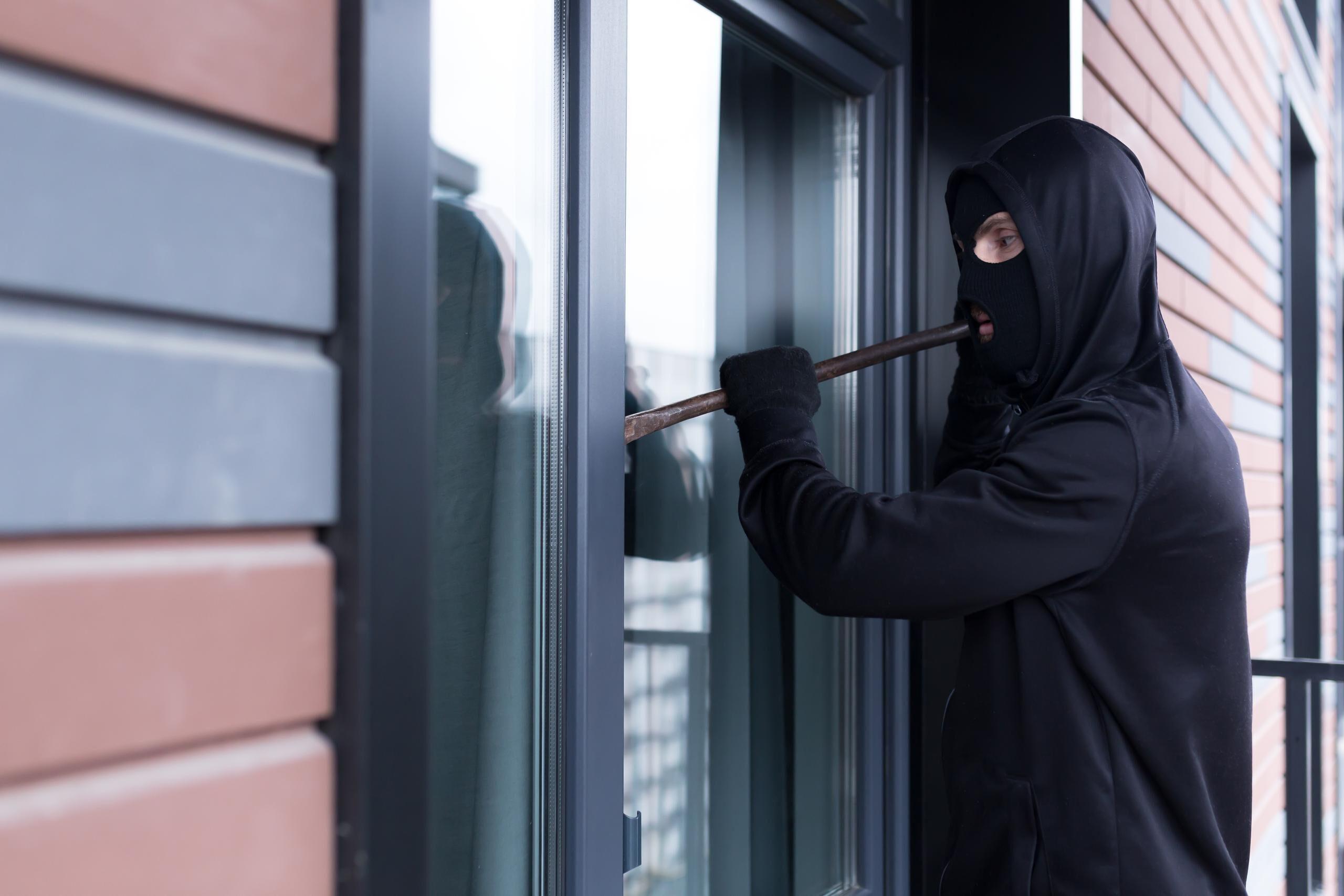
Ever wonder if that security system you're eyeing will actually protect your family when it matters most? After having five different systems professionally installed in the same house, I've got some eye-opening insights to share.
Nestled against San Francisco with those iconic fog-draped neighborhoods, Daly City offers that perfect blend of suburban comfort with big city accessibility. The colorful homes cascading down hillsides make for a picturesque setting, but even in this relatively safe community, home security remains a priority.
It's 2025, and while Daly City enjoys crime rates significantly below national averages (property crime is 30% lower than average, and violent crime is 54% lower than the national average, giving the city an impressive crime grade of 9), no neighborhood is completely immune to security concerns.
Over the past year, our team has done something unique: we've lived with five different professionally installed security systems in the same test house. We've pressed every button, triggered every alarm, and tested every feature to cut through the marketing hype and give you the unvarnished truth about what really works.
After countless conversations with homeowners and security experts, three priorities consistently rise to the top:
The cheapest system isn't always the best value, and the most expensive isn't necessarily the most reliable. What matters is finding that sweet spot where you're getting dependable protection without overpaying.
In our testing, we found that mid-tier packages from established providers like SafeStreets and Vivint hit this balance best. They offer professional-grade equipment with reliable monitoring at reasonable monthly costs.
Here's something that surprised me: the security features homeowners use most aren't always the ones that prevent break-ins. Video doorbells and garage control consistently rank as the most frequently used—and most appreciated—components of modern systems.
The ability to see who's at your door while you're cooking dinner, accept package deliveries remotely, or double-check that you closed the garage after leaving for work—these daily conveniences quickly become indispensable.
In 2025, ADT (through their Google Nest partnership) and Vivint offer the most polished implementations of these features. Their interfaces are intuitive enough that even the least tech-savvy family members can use them without frustration.
Security isn't just about preventing break-ins—it's about comprehensive protection. Modern systems now integrate fire, carbon monoxide, and water leak detection alongside intrusion prevention.
During our testing, I was awakened at 3 AM by a carbon monoxide alert from our Vivint system. Turns out, our furnace had developed a small leak. That single incident justified the entire system's cost for years to come.
Security technology has evolved dramatically, but some principles remain constant:
What's New:
What's Timeless:
To make an informed decision, you need to understand the business models behind these companies:
ADT is the oldest name in home security, operating six redundant monitoring centers across the US. However, when you call "ADT," you're often actually reaching SafeStreets, their largest authorized dealer.
As an authorized dealer, SafeStreets sells, installs, and services ADT systems according to ADT's strict standards. Your monitoring still comes directly from ADT's centers, but your installation and service come through SafeStreets.
During our testing, we found the SafeStreets installation process to be thorough and professional, though sometimes less customizable than dealing directly with ADT.
Unlike ADT, Vivint uses a direct-to-consumer model. The person who sells you the system, the technician who installs it, and the specialists who monitor it all work directly for Vivint.
This vertical integration allows for tighter quality control and more consistent customer experience. In our testing, Vivint's smart home integration was noticeably more seamless than competitors, likely because they control the entire ecosystem.
Here's an industry secret: many local security companies use the same backend monitoring platforms. Alarm.com powers thousands of local dealers nationwide, while ADT uses its proprietary monitoring infrastructure.
This means the actual emergency response process might be nearly identical between a national brand and a local installer—the difference often comes down to equipment quality and installation expertise.
As someone who's built computers from scratch and wired my own home network, I initially thought DIY security would be a breeze. I was wrong.
Professional installers bring crucial expertise:
During our testing, we intentionally made some "rookie mistakes" with one system to see what would happen:
When it comes to protecting your family, this isn't the place to learn through trial and error.
After extensive testing and research, here are the best options for Daly City residents:
While local companies often advertise lower prices, our testing revealed that established national installers like SafeStreets and Vivint typically deliver more consistent experiences and better long-term support.
The slightly higher cost buys you peace of mind that comes from knowing your system is backed by companies with decades of experience and nationwide infrastructure. When an emergency strikes at 2 AM, that reliability becomes priceless.
Whether you own one of Daly City's charming homes or are among the 60% of residents who rent, professional security installation is an investment in protection that pays dividends in both safety and daily convenience.
Don't leave your family's security to chance or amateur installation. The professionals have seen it all, fixed it all, and know exactly how to protect your specific home. In security, as in most things, you get what you pay for—and some things are worth paying for.



Daly City has a population of 107,197 and is located in San Mateo County. According to recent ACS data from the U.S. Census Bureau, the median household income is $99,910. Median home value is $851,030, and the median rent is $2,240/month. With a median age of 40.4 years old, 39.3% of residents over the age of 24 have at least some college education, with 50% having an income over $100,000. 46.2% of households are married.
According to the 2020 Decennial Census, the racial breakdown was as follows:
Home security is more than just cameras that capture bad actors committing crimes. Smart home features such as automated lighting are underrated features that can prevent thefts before they happen.
Professional monitoring is a must, and the choice generally comes down to a balance between the latest technology, overall price, and the service you receive for installation and on-going maintenance.
Our pick for the best home security system is ADT, with its exceptional reputation for customer satisfaction and professional installation, followed closely by Vivint which while slightly more expensive, has the most advanced security technology for your home.
SimpliSafe is our home security system recommendation for renters with its great balance of features and value, while offering minimal installation effort and reasonably priced professional monitoring.

Privacy Policy
Terms and Conditions - Affiliate Policy
Home Security
© Copyright 2008-2026.
11816 Inwood Rd #1211, Dallas, TX 75244