
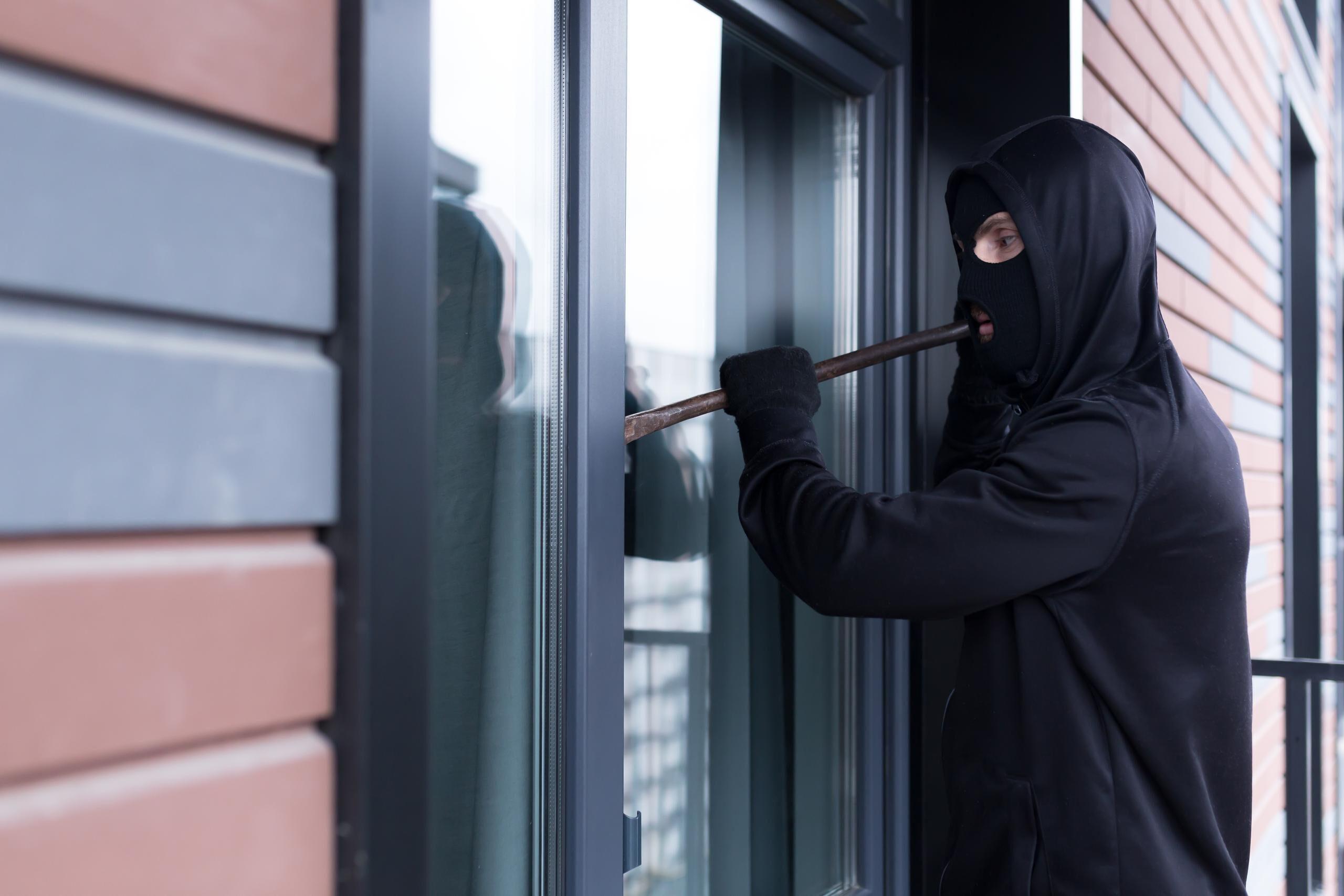
Have you ever wondered if the security measures you've taken for your home are actually effective? Or if that DIY system you installed has critical vulnerabilities that a professional would have spotted immediately?
Charleston, with its stunning riverfront views and vibrant cultural scene, is a gem nestled in the Kanawha Valley. The historic Capitol building and charming downtown areas make it a wonderful place to call home. But beneath this picturesque surface lies a concerning reality that residents can't afford to ignore.
As someone who's personally tested and lived with five different professionally installed security systems in the same house, I've seen firsthand how the right setup can make all the difference. In 2025, the security landscape has evolved dramatically, but so have the threats facing Charleston homeowners.
Let me cut through the marketing hype and share what I've learned after years of testing these systems in our dedicated facility. Whether you own or rent in Charleston, this guide will help you make an informed decision about protecting what matters most.
When it comes to home security, the cheapest option is rarely the best. But that doesn't mean you need to break the bank either. The sweet spot is finding a system that offers reliability at a reasonable price point.
In my testing, I've found that systems with professional monitoring consistently outperform self-monitored options during critical events. When seconds count, having trained professionals ready to dispatch emergency services makes a tangible difference.
Here's something the security companies don't always emphasize: the features you'll use most often aren't the ones that catch burglars—they're the ones that make your daily life easier.
Video doorbells and garage control consistently rank as the most frequently used components of modern security systems. In 2025, these aren't luxury add-ons; they're essential quality-of-life improvements. I can't count how many times I've used my doorbell camera to check on package deliveries or my garage control to let in a neighbor while I was away.
Both ADT (through their Google Nest partnership) and Vivint have perfected these interfaces, making them intuitive enough for users of any technical ability.
Security isn't just about preventing break-ins—it's about comprehensive protection. Modern systems now integrate fire and carbon monoxide detection, water leak sensors, and even medical alert capabilities.
This holistic approach to home safety provides something priceless: peace of mind. Knowing your family is protected from multiple threats, not just intrusion, is the true value proposition of today's security systems.
The security landscape has evolved dramatically in recent years. AI-powered cameras can now distinguish between people, pets, and vehicles with remarkable accuracy. False alarms—once the bane of security systems—have been reduced by over 80% thanks to these advancements.
Wireless technology has also transformed installation, making systems less invasive to your home's structure while maintaining reliability. Battery life has improved exponentially, with some sensors now lasting up to five years between replacements.
But some aspects of security remain timeless. Proper sensor placement, redundant communication methods (cellular, WiFi, and landline), and professional monitoring are as important in 2025 as they were decades ago. The technology may change, but these fundamental principles of effective security don't.
ADT, the oldest name in home security, operates through a network of six monitoring centers across the country. This redundancy ensures that if one center goes offline due to a natural disaster, others can seamlessly take over your monitoring.
What many consumers don't realize is that ADT itself rarely installs systems directly. Instead, they work through authorized dealers like SafeStreets, who handle sales, installation, and first-line service while adhering to ADT's strict standards.
SafeStreets is ADT's largest authorized dealer, meaning they sell and install ADT-branded equipment and connect you to ADT's monitoring services. While they operate independently, they must meet ADT's rigorous requirements for installation quality and customer service.
In my experience testing their installation process, SafeStreets technicians showed exceptional knowledge of sensor placement and system optimization—clearly demonstrating the value of ADT's standardized training programs.
Vivint takes a different approach, employing a direct sales and installation model. Their technicians are company employees rather than independent contractors, which creates a more consistent installation experience.
Vivint has positioned itself as a smart home company first and a security company second—a subtle but important distinction. Their systems integrate seamlessly with home automation, making them particularly appealing to tech-savvy homeowners.
Here's an industry secret: many local security companies use the same central monitoring stations. Alarm.com powers the backend for countless local dealers nationwide, while ADT maintains its proprietary monitoring network.
This means the actual emergency response process may be nearly identical between a national provider and a local company—the difference often lies in installation quality, equipment options, and long-term service.
After watching professional installers work and attempting DIY installations myself, I can confidently say this: professional installation is worth every penny, even for technically inclined homeowners.
Professional installers know exactly where to place motion sensors to maximize coverage while minimizing false alarms. They understand the subtle art of positioning door sensors to prevent bypass techniques used by intruders.
They also implement tamper protection measures that DIYers often overlook—like securing the control panel so it can't be easily disabled and positioning cameras at optimal angles to prevent vandalism.
I've seen countless DIY installations with critical vulnerabilities: motion sensors placed near heating vents (causing false alarms), door sensors installed improperly (creating bypass opportunities), and cameras positioned with blind spots that leave entry points unmonitored.
These aren't just theoretical concerns. In our test facility, we've simulated break-ins on both professionally installed and DIY systems. The difference in effectiveness is stark and sometimes alarming.
The statistics paint a sobering picture: property crime in Charleston is 135% higher than the national average, while violent crime exceeds the national average by 137%. With a crime grade of 0, Charleston ranks among the more challenging cities for home security.
These numbers matter not just for the 39.4% of residents who own their homes, but also for the 60.6% who rent. Renters are actually more likely to experience break-ins, making security solutions like Simplisafe particularly valuable for this significant portion of Charleston's population.
While local companies may offer competitive pricing and personalized service, the stability and consistency provided by established national installers like SafeStreets and Vivint often justifies their slightly higher cost.
When it comes to something as critical as your family's safety, the proven track record, standardized installation practices, and guaranteed monitoring redundancy of these national providers provides peace of mind that's difficult to quantify.
After living with these systems and putting them through rigorous testing, my recommendation is clear: prioritize professional installation from an established provider. The difference between a properly installed system and an amateur setup isn't just about convenience—it could be the difference between a thwarted break-in and a successful one.
Your home deserves nothing less than expert protection. In Charleston's challenging security landscape, that's not just a luxury—it's a necessity.


Charleston has a population of 141,640 and is located in Kanawha County. According to recent ACS data from the U.S. Census Bureau, the median household income is $49,769. Median home value is $152,274, and the median rent is $751/month. With a median age of 42.1 years old, 41.6% of residents over the age of 24 have at least some college education, with 23.8% having an income over $100,000. 40.4% of households are married.
According to the 2020 Decennial Census, the racial breakdown was as follows:
Home security is more than just cameras that capture bad actors committing crimes. Smart home features such as automated lighting are underrated features that can prevent thefts before they happen.
Professional monitoring is a must, and the choice generally comes down to a balance between the latest technology, overall price, and the service you receive for installation and on-going maintenance.
Our pick for the best home security system is ADT, with its exceptional reputation for customer satisfaction and professional installation, followed closely by Vivint which while slightly more expensive, has the most advanced security technology for your home.
SimpliSafe is our home security system recommendation for renters with its great balance of features and value, while offering minimal installation effort and reasonably priced professional monitoring.

Privacy Policy
Terms and Conditions - Affiliate Policy
Home Security
© Copyright 2008-2026.
11816 Inwood Rd #1211, Dallas, TX 75244