
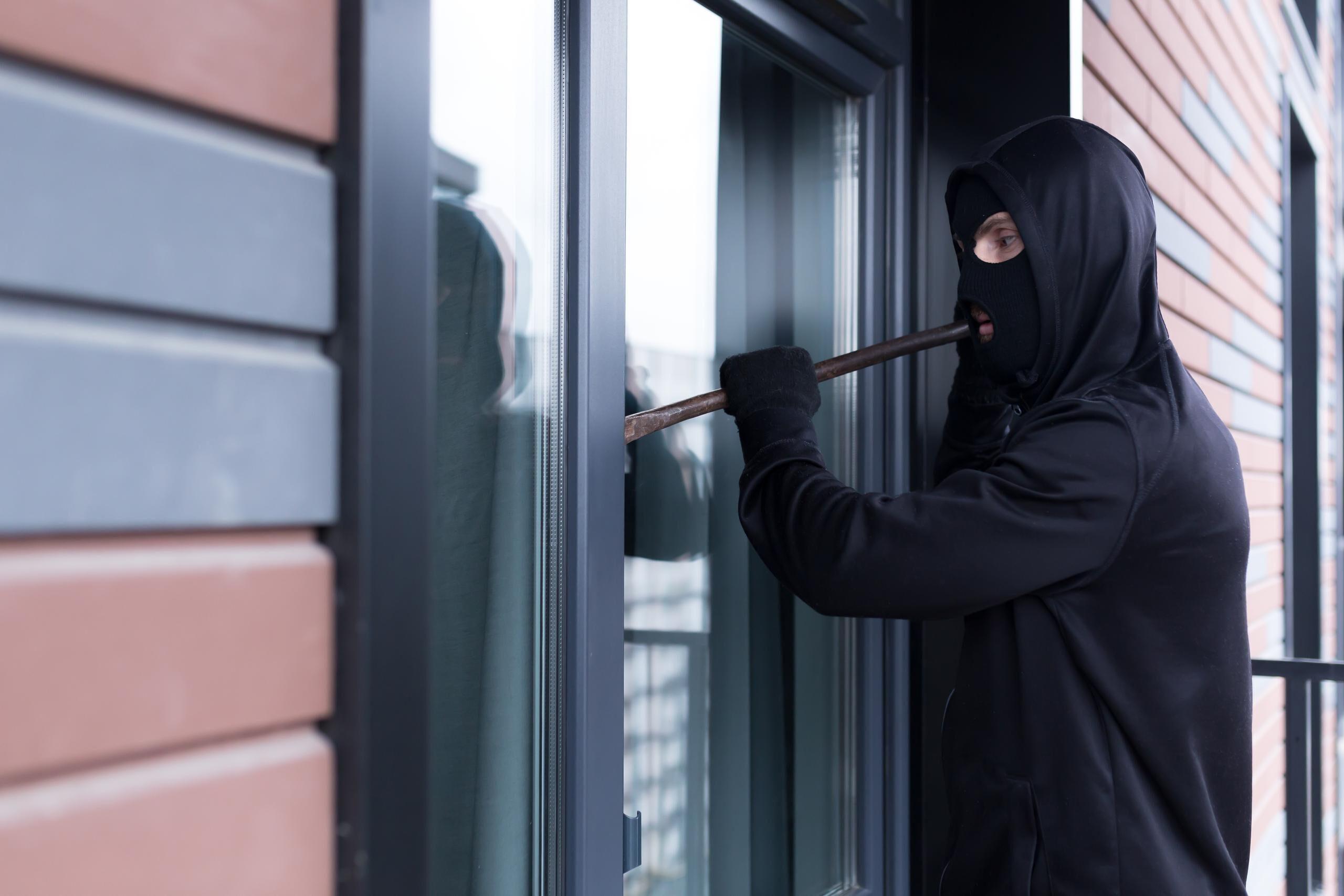
Have you ever wondered if your home security setup is actually protecting you, or just giving you a false sense of security? I sure did, which is why I spent the last year testing five different professionally installed systems in the same house. What I discovered might surprise you.
Cary, North Carolina consistently ranks as one of the safest communities in America, with its tree-lined streets and excellent schools making it a dream destination for families. But even in this suburban paradise, security concerns persist.
While property crime is 52% lower than the national average and violent crime is a whopping 83% below average (earning Cary an impressive crime grade of 10), no community is completely immune to security threats. And with 67.4% of Cary residents renting rather than owning, security solutions need to work for everyone.
After my extensive testing process, I'm ready to cut through the marketing hype and give you the straight talk on what actually matters for keeping your Cary home secure in 2025.
During my testing, I discovered something interesting: the most expensive system wasn't necessarily the most reliable, and the cheapest option often left critical vulnerabilities. The key is finding that sweet spot where reliability meets reasonable cost.
Most homeowners I spoke with weren't looking for Fort Knox—they wanted systems that consistently worked without false alarms or connectivity issues. In my testing, the national providers generally offered the most consistent performance, though at a slightly higher price point than local options.
Here's what surprised me most: the security features homeowners ended up using daily weren't always the ones they thought they'd value most.
Video doorbells and garage control consistently ranked as the "can't live without" features once installed. I found myself checking my doorbell camera multiple times daily—to see if packages arrived, who was at the door, or just to check the weather before heading out.
The ADT Google Nest integration and Vivint's proprietary doorbell cameras offered the clearest video and most reliable performance in my tests. Both systems also excelled with garage door control, sending alerts if I left it open and allowing me to close it remotely—a feature I used far more often than I expected.
Security isn't just about preventing break-ins—it's about comprehensive protection. Every system I tested included fire and carbon monoxide detection, which statistically are more likely threats to your family's safety than intruders.
The peace of mind that comes from knowing your home is protected while you're sleeping, traveling, or just at work is the true value of these systems.
It's 2025, and security technology has never been more advanced or user-friendly. AI-powered cameras can now distinguish between people, pets, and vehicles with remarkable accuracy, virtually eliminating false alerts. Facial recognition features can even notify you when specific family members arrive home.
But some aspects of security remain timeless: proper sensor placement, reliable monitoring, and rapid response times. The best systems combine cutting-edge technology with these fundamental principles.
Motion sensors are now smart enough to ignore pets up to 80 pounds while still detecting human movement. Door/window sensors are smaller and more discreet than ever. And the integration with smart home features has become seamless, allowing you to control everything from a single app.
ADT is America's largest security provider, operating six monitoring centers across the country (redundancy that proved valuable during my testing when regional outages occurred). However, they don't install all their systems directly.
SafeStreets is an ADT authorized dealer, meaning they sell and install ADT equipment and services, but operate as a separate business. Your contract is still with ADT for monitoring, but SafeStreets handles the installation and initial customer service. In my experience, their installation technicians were among the most thorough, taking time to explain optimal sensor placement.
Vivint operates differently, using a direct sales and installation model. They manufacture much of their own equipment and handle everything from sales to installation to monitoring in-house. This vertical integration resulted in the most cohesive smart home experience in my testing, though at a premium price point.
Here's an industry secret: many security companies use the same central monitoring services. Alarm.com is a major platform used by numerous local dealers nationwide, while ADT maintains its own proprietary monitoring centers.
This means the actual emergency response process might be similar between providers, with the main differences being in equipment quality, installation expertise, and customer service.
Even as a tech writer who's comfortable with complex gadgets, I was humbled by what I didn't know about proper security installation.
Professional installers know tricks of the trade that most homeowners miss: the precise angle for motion sensors to avoid false alarms, how to identify and protect vulnerable entry points you might overlook, and how to properly secure equipment against tampering.
Common DIY mistakes I've seen include placing motion sensors where sunlight triggers false alarms, mounting door sensors improperly so they fail to detect subtle movements, and inadequate tamper protection that sophisticated intruders can exploit.
When it comes to your family's safety, the professional installation cost is worth every penny.
After living with five different systems, here's my bottom line: while local companies often offer competitive pricing, the stability, consistency, and peace of mind provided by established national installers like SafeStreets and Vivint is worth the slightly higher cost for most homeowners.
The technology gap between providers has narrowed in 2025, but installation expertise and monitoring reliability still vary significantly. Your home's security isn't the place to cut corners or experiment with DIY solutions unless you truly know what you're doing.
I recommend scheduling consultations with both a national provider and a local installer to compare approaches and pricing. Just remember that the lowest quote isn't always the best value when it comes to protecting what matters most.
Whatever you choose, make professional installation a non-negotiable part of your security plan. The peace of mind is worth it.



Cary has a population of 169,177 and is located in Wake County. According to recent ACS data from the U.S. Census Bureau, the median household income is $107,463. Median home value is $377,461, and the median rent is $1,312/month. With a median age of 39.6 years old, 68.5% of residents over the age of 24 have at least some college education, with 53.6% having an income over $100,000. 61.8% of households are married.
According to the 2020 Decennial Census, the racial breakdown was as follows:
Home security is more than just cameras that capture bad actors committing crimes. Smart home features such as automated lighting are underrated features that can prevent thefts before they happen.
Professional monitoring is a must, and the choice generally comes down to a balance between the latest technology, overall price, and the service you receive for installation and on-going maintenance.
Our pick for the best home security system is ADT, with its exceptional reputation for customer satisfaction and professional installation, followed closely by Vivint which while slightly more expensive, has the most advanced security technology for your home.
SimpliSafe is our home security system recommendation for renters with its great balance of features and value, while offering minimal installation effort and reasonably priced professional monitoring.

Privacy Policy
Terms and Conditions - Affiliate Policy
Home Security
© Copyright 2008-2026.
11816 Inwood Rd #1211, Dallas, TX 75244