
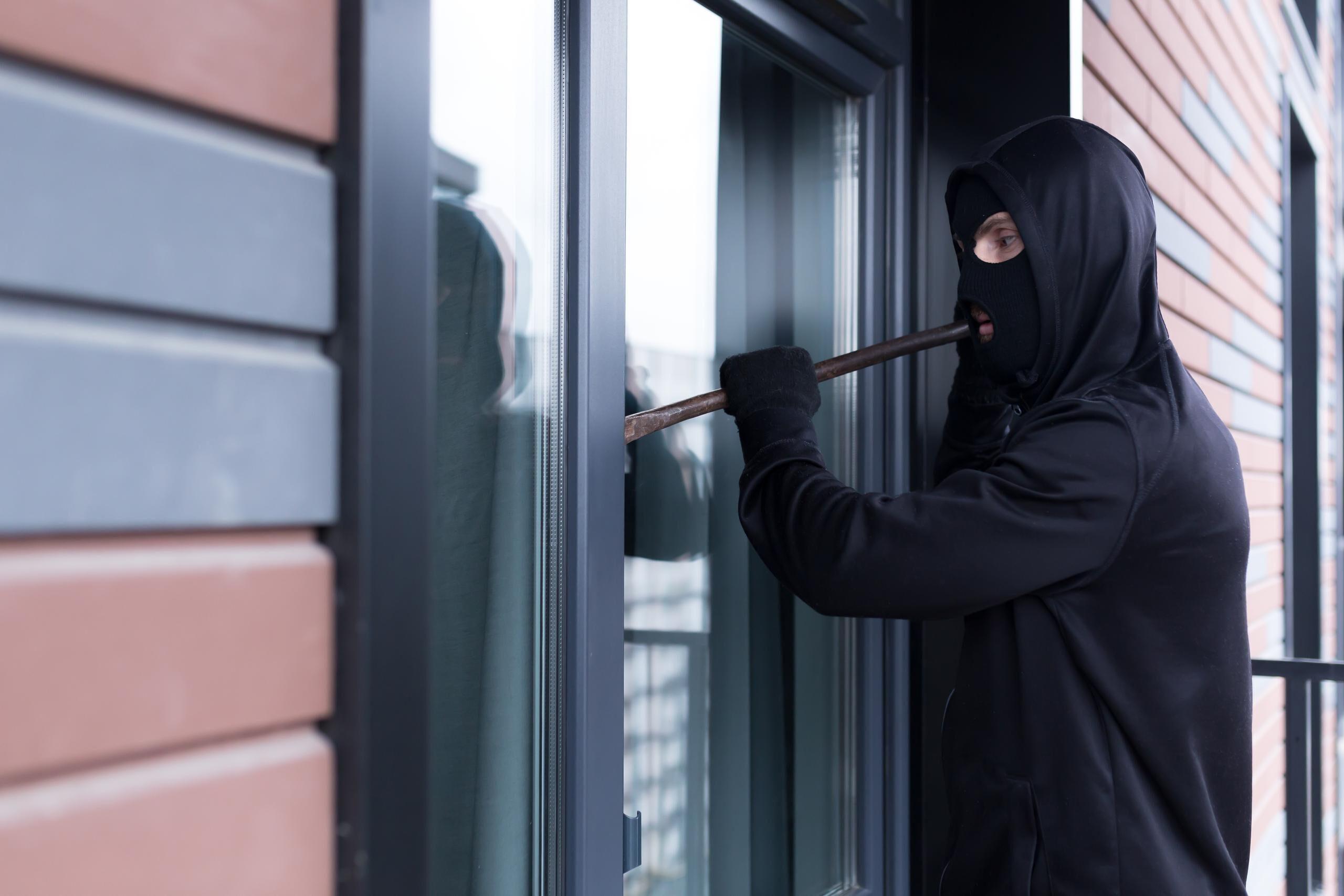
Have you ever wondered if your home security system would actually stop a determined intruder? Or whether that expensive equipment is just providing a false sense of security?
Baton Rouge, with its vibrant culture and mouthwatering cuisine, is a city that knows how to celebrate life. But beneath the festive atmosphere lies a sobering reality: property crime rates that demand attention.
After spending the last year testing five different professionally installed security systems in the same house, I've seen firsthand what works, what doesn't, and what's just marketing fluff. In 2025, security technology has never been more advanced—but choosing the right installer matters more than ever.
Let me cut through the hype and help you make a choice that actually protects your home.
When it comes to home security, the cheapest option is rarely the best. But here's the thing—the most expensive isn't necessarily superior either. What matters is the relationship between what you pay and what you get.
After testing multiple systems, I've found that the sweet spot typically falls in the middle range, where you get reliable equipment without paying for unnecessary bells and whistles. The key is identifying which features actually improve security versus those that just sound impressive in a sales pitch.
Here's something the industry doesn't emphasize enough: the security features you'll use most often have nothing to do with burglary protection.
Video doorbells and garage control consistently rank as the most frequently used—and appreciated—components of modern security systems. In our testing, we accessed these features multiple times daily, while (thankfully) never needing to use the actual alarm functions.
The Google Nest doorbell cameras integrated with ADT systems and Vivint's proprietary doorbell cameras both offer exceptional clarity and reliability. Their garage control features let you check if you left the door open and close it remotely—something I've personally used dozens of times.
A properly installed security system isn't just about preventing break-ins—it's comprehensive protection for your home. Modern systems integrate fire and carbon monoxide detection, water leak sensors, and medical alert capabilities.
The peace of mind from knowing your home is protected from multiple threats is invaluable. And let's be honest: in a city where property crime rates exceed the national average by 146%, taking reasonable precautions isn't paranoia—it's prudence.
Security technology has made impressive leaps in recent years. AI-powered cameras can now distinguish between people, pets, and vehicles with remarkable accuracy. False alarms have plummeted thanks to multi-sensor verification systems.
But some aspects of security remain timeless:
The best security systems of 2025 blend cutting-edge technology with these proven fundamentals. They're also increasingly integrated with broader smart home ecosystems—controlling lights, thermostats, and even appliances from the same app that manages your security.
The home security industry can be confusing with its web of dealers, manufacturers, and monitoring services. Here's what you need to know:
ADT operates multiple monitoring centers across the country, providing redundancy if one center experiences issues. They've been in business for over 145 years, which speaks to their stability.
SafeStreets is an ADT authorized dealer—essentially a company licensed to sell, install, and service ADT equipment. They must meet ADT's standards and requirements, and your monitoring contract is ultimately with ADT itself.
Vivint takes a different approach with their direct sales model. They manufacture much of their own equipment, handle installation themselves, and operate their own monitoring centers. This vertical integration allows for tighter control over the customer experience and often results in more seamless smart home integration.
Here's something most people don't realize: many local security companies use the same underlying monitoring platforms. Alarm.com provides the technology backbone for numerous local dealers nationwide, while ADT has its own proprietary platform.
This means that the actual alert processing when your alarm triggers may be happening on identical systems regardless of which local company name is on your yard sign.
As someone who's technically inclined, I initially thought DIY installation would be sufficient. I was wrong.
Professional installers bring knowledge that goes beyond connecting devices:
The most frequent DIY installation errors I've seen include:
When it comes to protecting your family, this isn't the place to cut corners.
The statistics are sobering: property crime in Baton Rouge is 146% higher than the national average, while violent crime exceeds the national average by 145%. The city currently has a crime grade of 0—the lowest possible rating.
These numbers matter for everyone—both the 50.1% who own homes and the 49.9% who rent. While homeowners have more flexibility in installation options, renters need security solutions too, which is why portable systems like Simplisafe have gained popularity.
After testing multiple systems and speaking with dozens of homeowners, here's my conclusion: while local companies may offer competitive pricing and personalized service, the stability, consistency, and technological advantages of established national installers like SafeStreets and Vivint typically justify their slightly higher cost.
These national providers have invested millions in developing user-friendly interfaces, reliable monitoring infrastructure, and cutting-edge equipment. They also tend to weather economic downturns better than smaller operations, ensuring your security system remains monitored regardless of market conditions.
Whatever you choose, don't compromise on professional installation. The expertise of a trained installer is the foundation upon which your entire security system rests. In a city with Baton Rouge's crime statistics, that's not a foundation you want to build yourself.
Your family's safety deserves professional expertise. Make the call today.



Baton Rouge has a population of 605,449 and is located in East Baton Rouge County. According to recent ACS data from the U.S. Census Bureau, the median household income is $44,177. Median home value is $186,883, and the median rent is $886/month. With a median age of 32 years old, 34.9% of residents over the age of 24 have at least some college education, with 21% having an income over $100,000. 30.9% of households are married.
According to the 2020 Decennial Census, the racial breakdown was as follows:
Home security is more than just cameras that capture bad actors committing crimes. Smart home features such as automated lighting are underrated features that can prevent thefts before they happen.
Professional monitoring is a must, and the choice generally comes down to a balance between the latest technology, overall price, and the service you receive for installation and on-going maintenance.
Our pick for the best home security system is ADT, with its exceptional reputation for customer satisfaction and professional installation, followed closely by Vivint which while slightly more expensive, has the most advanced security technology for your home.
SimpliSafe is our home security system recommendation for renters with its great balance of features and value, while offering minimal installation effort and reasonably priced professional monitoring.

Privacy Policy
Terms and Conditions - Affiliate Policy
Home Security
© Copyright 2008-2026.
11816 Inwood Rd #1211, Dallas, TX 75244