
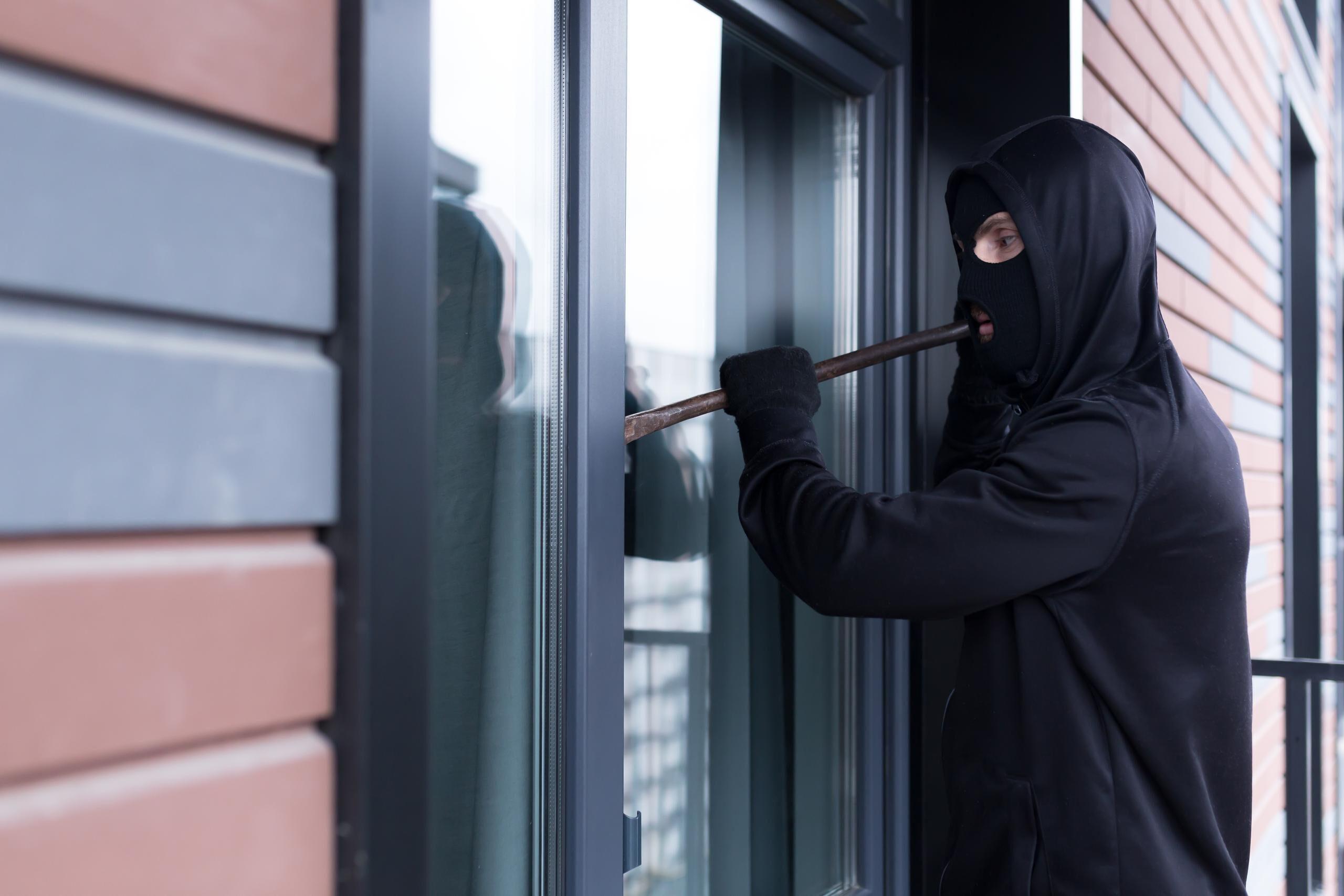
Have you ever wondered if your home security system is actually protecting you, or just giving you a false sense of security? After having five different systems professionally installed in the same house, I discovered some shocking truths about what works and what doesn't.
Nestled against the stunning backdrop of the Rocky Mountains, Arvada offers that perfect blend of small-town charm with big-city amenities. The parks are gorgeous, the community is tight-knit, and the craft beer scene? Chef's kiss. But even in this slice of Colorado paradise, security concerns remain.
In 2025, Arvada's property crime rate sits at 62% above the national average—a sobering statistic that contrasts sharply with its violent crime rate, which is 41% below average. With a crime grade of 4 (not great), both homeowners and the 75.9% of residents who rent need to think seriously about home security.
I've spent the last year testing various security systems in our test facility (which is actually just my house—my family has been very patient). I've had teams from national providers and local installers tromp through my living room, drill holes in my walls, and explain why their system is "the best." Now I'm cutting through the marketing hype to share what actually matters.
Here's the truth: you don't need to spend a fortune on home security, but the ultra-budget options often leave critical vulnerabilities. Think of it like buying tires for your car—you don't need the $300 racing tires, but those $25-per-tire specials might leave you stranded in a snowstorm.
In my testing, systems in the $300-500 installation range with $30-60 monthly monitoring hit the sweet spot. Anything significantly cheaper often cut corners on crucial components like backup power or tamper protection.
After the novelty wears off, guess which security features my family used every single day? The video doorbell and garage control. These aren't just security features—they're lifestyle upgrades.
When my teenager forgot his key (again), I could let him in remotely. When packages arrived, I could ask the delivery person to place them out of sight. And never again did I have that "did I close the garage door?" panic moment while on vacation.
In 2025, ADT's integration with Google Nest and Vivint's proprietary doorbell cameras offer the best user experience by far. The clarity, responsiveness, and smart detection features make them worth every penny.
A proper security system isn't just about deterring burglars—it's comprehensive protection. During our testing period, none of our systems faced an actual break-in (thankfully), but our ADT system detected a small kitchen fire before it spread, potentially saving our home.
The peace of mind from knowing your family is protected from multiple threats—intrusion, fire, carbon monoxide, water damage—is genuinely priceless.
Security technology has made impressive leaps in 2025. AI-powered cameras can now distinguish between your teenager sneaking in past curfew and an actual intruder with remarkable accuracy. Mobile apps have become incredibly intuitive, and false alarms have decreased dramatically.
But some aspects of security remain timeless:
The best systems of 2025 combine cutting-edge technology with these timeless principles.
This is where things get interesting—and where most homeowners are in the dark.
ADT operates massive monitoring centers across the country, but most installations are handled by authorized dealers like SafeStreets. Think of it like a franchise model: SafeStreets follows ADT's standards and sells ADT monitoring, but they're technically a separate company.
This arrangement maintains quality control while allowing for nationwide coverage. When your SafeStreets system triggers an alarm, it's ADT's monitoring center that responds.
Vivint takes a different approach. They're vertically integrated, meaning the same company designs the equipment, employs the installers, and runs the monitoring centers. This gives them tighter control over the customer experience and allows for deeper integration between their smart home products.
In my testing, Vivint's app experience was noticeably more cohesive, but their service availability varied more by region.
Here's something the industry doesn't advertise: many local security companies use the same central monitoring stations. Alarm.com provides the backend for countless local dealers nationwide, while ADT's monitoring infrastructure serves thousands of "independent" companies.
That local security company with the flashy truck? There's a good chance they're installing the same equipment and using the same monitoring service as several competitors.
As a tech writer, I'm usually the first to embrace the DIY approach. But after watching five professional installations and attempting my own, I've changed my tune.
Professional installers know things you don't:
One pro installer showed me how the motion sensor I would have mounted on the obvious wall would have been triggered by my heating system. His placement eliminated that problem entirely.
The most common DIY mistakes I've seen:
When it comes to protecting your family, this isn't the place to cut corners.
After extensive testing, here are my recommendations:
While local companies often offer competitive pricing and hometown service, my year of testing has convinced me that the stability, consistency, and technological edge provided by established national installers like SafeStreets and Vivint is worth the slightly higher cost for most homeowners.
The peace of mind that comes from knowing your system is backed by companies with decades of experience and nationwide resources is significant. When an emergency happens, that's not the time to discover your local provider has limited after-hours support.
Whatever you choose, please don't skimp on professional installation. The few hundred dollars you might save doing it yourself could cost you far more in the long run—in both property and peace of mind.
Your family's safety deserves professional expertise. In Arvada's current security climate, that's not just a recommendation—it's a necessity.


Arvada has a population of 120,229 and is located in Jefferson County. According to recent ACS data from the U.S. Census Bureau, the median household income is $92,669. Median home value is $424,257, and the median rent is $1,444/month. With a median age of 40 years old, 43.1% of residents over the age of 24 have at least some college education, with 45.9% having an income over $100,000. 55% of households are married.
According to the 2020 Decennial Census, the racial breakdown was as follows:
Home security is more than just cameras that capture bad actors committing crimes. Smart home features such as automated lighting are underrated features that can prevent thefts before they happen.
Professional monitoring is a must, and the choice generally comes down to a balance between the latest technology, overall price, and the service you receive for installation and on-going maintenance.
Our pick for the best home security system is ADT, with its exceptional reputation for customer satisfaction and professional installation, followed closely by Vivint which while slightly more expensive, has the most advanced security technology for your home.
SimpliSafe is our home security system recommendation for renters with its great balance of features and value, while offering minimal installation effort and reasonably priced professional monitoring.

Privacy Policy
Terms and Conditions - Affiliate Policy
Home Security
© Copyright 2008-2026.
11816 Inwood Rd #1211, Dallas, TX 75244