
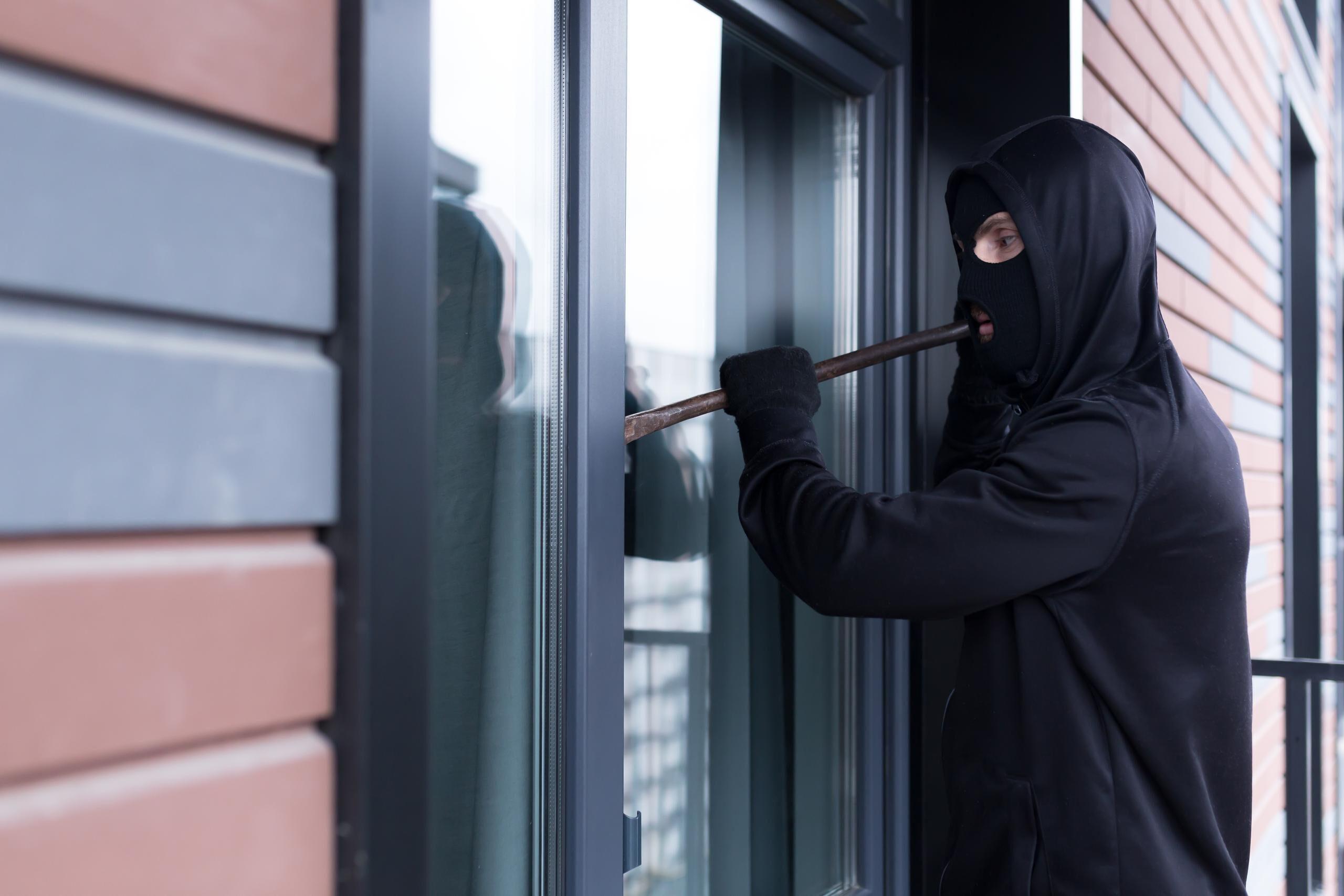
Ever wonder if that security system you hastily installed is actually protecting your family, or just making you feel better? After testing five different professionally installed systems in the same house, I discovered some shocking truths about what works—and what's just expensive window dressing.
Albuquerque's stunning desert landscapes and vibrant cultural scene make it a fantastic place to call home. The breathtaking Sandia Mountains provide a gorgeous backdrop to everyday life here. But behind this picturesque setting lies a sobering reality: the city faces significant security challenges that residents can't afford to ignore.
In 2025, Albuquerque continues to grapple with property crime rates 156% above the national average and violent crime rates a staggering 246% higher than the national average. With a crime grade of 0 (yikes!), security isn't just a luxury—it's a necessity for both homeowners and the 60.3% of residents who rent.
After spending months testing different security systems in our test facility (yes, my actual house became a security lab), I'm cutting through the marketing hype to help you make smart choices about protecting your home. Let's dive into what actually matters.
When I first started testing security systems, I assumed the most expensive options would automatically be the best. Not true! The sweet spot is finding a system that balances cost with reliability.
After countless false alarms with some systems and missed triggers with others, I've found that reliability trumps fancy features every time. A basic system that consistently works beats an advanced one that occasionally fails.
Here's what surprised me most: the features homeowners use daily aren't always the ones companies highlight in their marketing.
Video doorbells and garage control consistently rank as the most-used and must-have features. I found myself checking my doorbell camera multiple times daily—to see if packages arrived, who was at the door, or just to keep an eye on the front yard. And being able to close my garage from anywhere (after those "did I leave it open?" moments) proved invaluable.
Both ADT (through their Google Nest partnership) and Vivint have absolutely nailed these implementations in 2025, with interfaces that are intuitive enough for even my tech-averse parents to use.
Security isn't just about preventing break-ins—it's about comprehensive safety. The best systems integrate fire and carbon monoxide detection alongside intrusion protection. This holistic approach means you're covered for multiple threats, not just burglary.
When my neighbor's house had a small kitchen fire, their integrated system alerted the fire department while they were still trying to process what was happening. Those minutes saved prevented a much worse outcome.
Security technology has leapt forward in 2025. AI-powered cameras now distinguish between pets, people, and vehicles with near-perfect accuracy. False alarms from your cat walking by are finally a thing of the past!
Facial recognition has become mainstream, allowing systems to alert you specifically when unknown persons approach your property versus family members returning home.
But some aspects of security remain timeless: proper sensor placement, backup power systems, and redundant communication methods (cellular, Wi-Fi, and landline) are still the foundation of any good system.
This is the industry insider stuff they don't tell you in the sales pitch.
ADT operates six monitoring centers across North America, providing 24/7 redundant monitoring. But here's what most people don't realize: when you call "ADT," you're often actually dealing with SafeStreets, their largest authorized dealer.
SafeStreets sells, installs, and services ADT systems, but the monitoring happens through ADT's infrastructure. This arrangement ensures consistent quality standards while allowing more localized service. When I had an ADT system installed, the SafeStreets technician knew Albuquerque neighborhoods and specific local security concerns that a national rep wouldn't.
Vivint takes a different approach, handling everything from sales to installation to monitoring in-house. This vertical integration means fewer communication gaps but sometimes higher prices. Their smart home integration is where they truly shine—controlling security, thermostats, lighting, and even appliances from a single app is seamless.
Many local Albuquerque security companies actually operate as ADT authorized dealers, bound by the same requirements and standards. Others use Alarm.com as their monitoring platform—the same backbone that powers many national brands.
This means you're often getting the same monitoring technology regardless of whether you choose a national or local provider. The difference comes down to installation expertise, customer service, and pricing structures.
As someone who's built computers from scratch and considers myself tech-savvy, I initially thought DIY security would be a breeze. I was wrong.
Professional installers know things you don't: optimal sensor heights to avoid pets while catching intruders, proper placement to eliminate blind spots, and tamper protection techniques that prevent system circumvention.
When the SafeStreets technician installed my system, he placed motion sensors at angles I wouldn't have considered, ensuring complete coverage with fewer devices. He also identified vulnerability points I'd completely overlooked.
The most frequent DIY mistakes include:
When it comes to protecting your family, this isn't the place to learn through trial and error.
After testing multiple systems, here's my breakdown of the best options in Albuquerque:
While local companies offer competitive pricing and hometown service, my testing revealed that the stability, consistency, and technological edge provided by established national installers like SafeStreets and Vivint deliver superior peace of mind for most homeowners.
The slightly higher cost pays dividends in reliability, feature sets, and most importantly, response times when emergencies occur. When seconds count, you want the system most likely to perform flawlessly.
Don't leave your family's safety to chance or cut corners with DIY installation. In a city with Albuquerque's crime statistics, professional installation isn't just a convenience—it's an essential investment in your home's security.
Take it from someone who's lived with five different systems: call a professional installer today. The peace of mind is worth every penny.


Albuquerque has a population of 762,853 and is located in Bernalillo County. According to recent ACS data from the U.S. Census Bureau, the median household income is $53,936. Median home value is $203,975, and the median rent is $889/month. With a median age of 37.1 years old, 36.5% of residents over the age of 24 have at least some college education, with 23.1% having an income over $100,000. 39.8% of households are married.
According to the 2020 Decennial Census, the racial breakdown was as follows:
Home security is more than just cameras that capture bad actors committing crimes. Smart home features such as automated lighting are underrated features that can prevent thefts before they happen.
Professional monitoring is a must, and the choice generally comes down to a balance between the latest technology, overall price, and the service you receive for installation and on-going maintenance.
Our pick for the best home security system is ADT, with its exceptional reputation for customer satisfaction and professional installation, followed closely by Vivint which while slightly more expensive, has the most advanced security technology for your home.
SimpliSafe is our home security system recommendation for renters with its great balance of features and value, while offering minimal installation effort and reasonably priced professional monitoring.

Privacy Policy
Terms and Conditions - Affiliate Policy
Home Security
© Copyright 2008-2026.
11816 Inwood Rd #1211, Dallas, TX 75244